Grinding teeth at night: causes and remedies for bruxism
Key facts at a glance
- What to know right away: Grinding teeth at night tires the jaw and ruins sleep. Causes, signs and practical remedies for night bruxism, from the pillow to the right mattress.
- Trial, warranty and delivery: 10 trial nights · 10-year warranty · Free delivery 24/48h
- Who it is for: What bruxism is and when it happens
- What this guide covers: What bruxism is and when it happens · The signs that make it recognizable · Why you grind at night: the causes
- How to book or get help: Get your free consultation · 0362 222407 · info@luxuryrelax.it
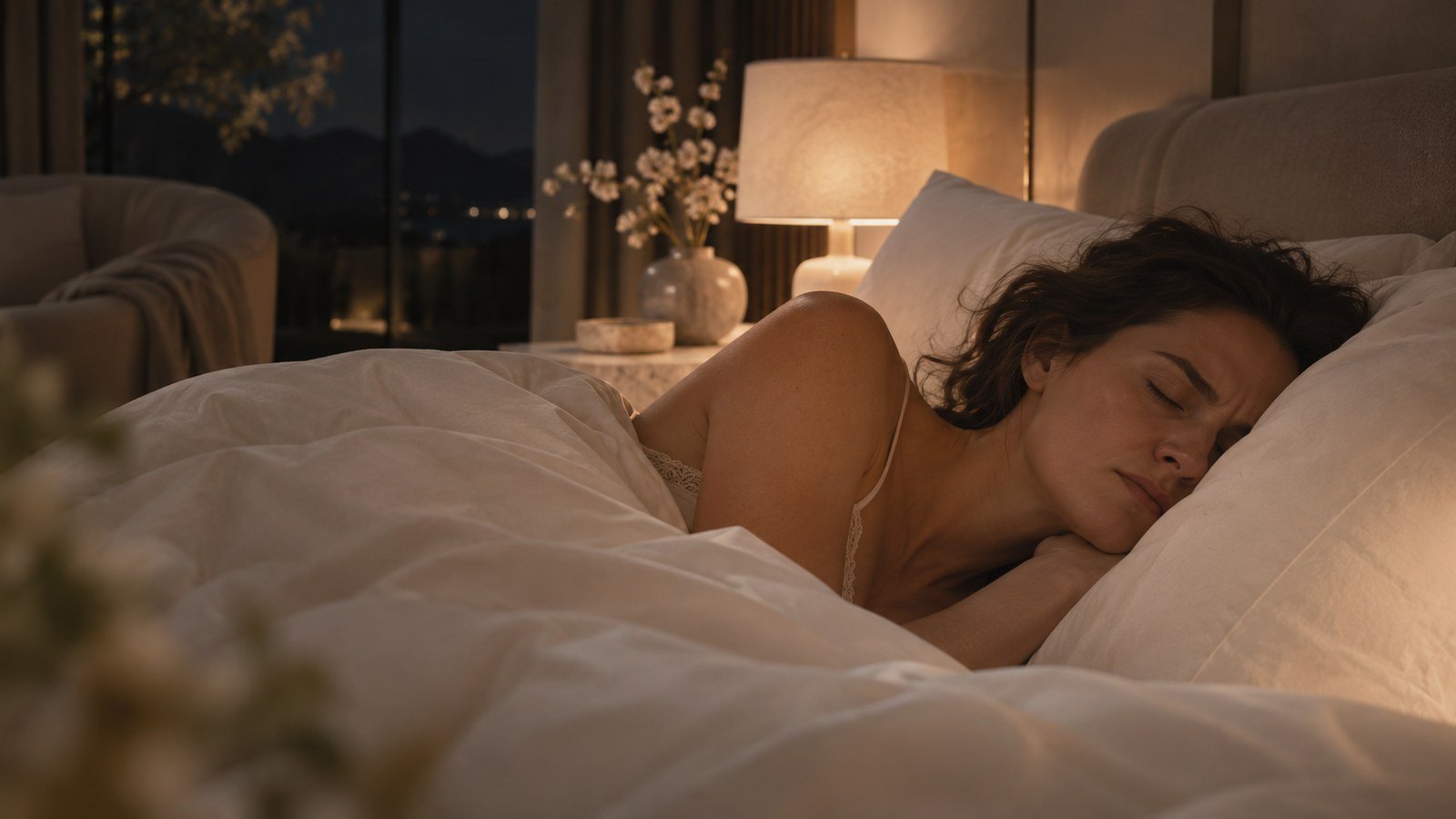
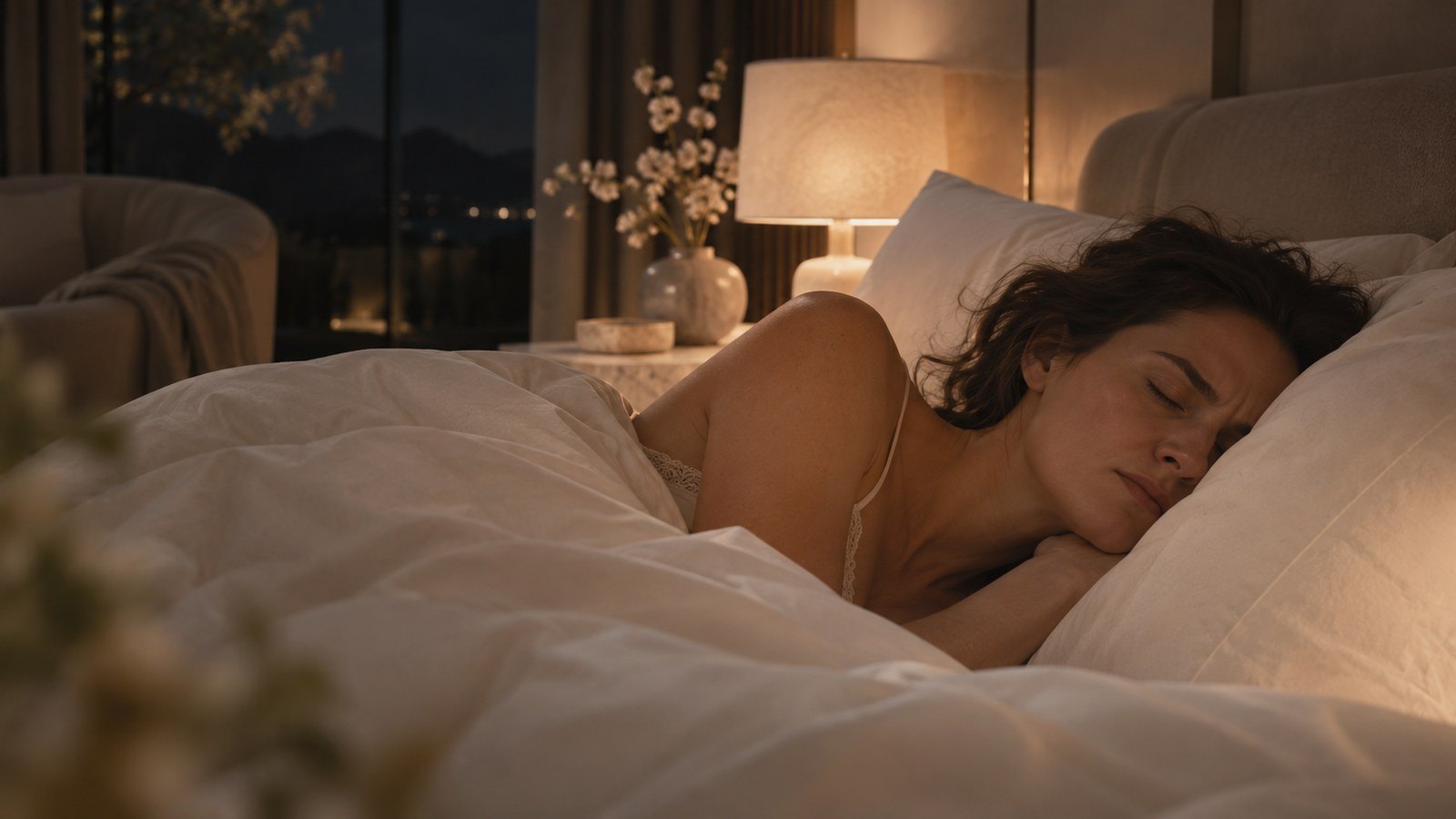
Waking up with a sore jaw is a familiar morning. The mouth feels tired, the teeth seem more sensitive than usual, and a dull pressure around the temples follows the first hours of the day. During the night, without noticing it, you have been grinding your teeth.
Sleep bruxism affects a lot of people and shows up exactly while you sleep, when the jaw muscles keep working instead of resting. It is not a habit and willpower does not fix it. It comes from accumulated tension, evening routines, and the way your body is supported through the night.
This guide explains what bruxism is, which signs make it recognizable and why it activates at night. Then we look at practical evening moves and at the role of the mattress and the pillow. We close with the right timing to see a professional and with the questions we hear most often.
What bruxism is and when it happens
Bruxism is the involuntary activity of clenching or grinding the teeth. While awake it is called awake bruxism and it mostly means clenching, often concentrated in moments of focus or tension. During sleep it is called sleep bruxism and it also includes real grinding, the kind that produces a recognizable sound.
The episodes last a few seconds but can repeat dozens of times in one night. They do not always leave a memory at waking: many people discover they grind only because their partner mentions it, or because a dentist notices worn enamel during a checkup.
The phenomenon follows sleep, not wakefulness. Episodes appear more often in light stages and in the transitions between one sleep cycle and the next, so in the hours when rest is already more fragile. That is why bruxism and sleep quality feed each other: a fragmented night gives more chances to grind, and grinding fragments the night even further.
The signs that make it recognizable
The first sign is the waking itself. People who grind get up with a tired or aching jaw, sometimes with a stiff feeling right in front of the ears. The discomfort shows up in the first minutes of the morning and usually eases during the day, only to return the next morning.
The second sign is the headache. The pain arrives at the temples or the forehead, it is steady pressure, more like a tight band than a throbbing pain. After a night full of episodes the headache is already there at waking and stays through the first coffee.
Then there are signs that someone else collects. A partner reports a repeated rubbing sound, sometimes loud enough to break their own sleep too. A dentist sees flattened tooth surfaces, thin enamel at the edges, small chips or a fracture line on an incisor. On top of these come neck and shoulder tension and the feeling of having slept a long time without really resting.

Why you grind at night: the causes
The most common cause is the tension load of the day. The body releases at night what it did not release while awake: jaw, shoulders and neck are the first areas involved. The guide to stress and sleep explains how evening tension carries into rest and why acting on the evening works better than acting on a single episode.
Fragmented sleep matters as much as stress. People who wake often during the night spend more time in light stages, and those are exactly the stages where grinding shows up. Noise, light, a hot bedroom and a mattress that does not follow the body all cut the night into pieces and multiply the chances to grind.
Evening substances play their part. Coffee drunk in the late afternoon stays active for six to eight hours and leaves the jaw more reactive. Alcohol relaxes at first but makes the second half of the night more fragmented. Smoking in the evening is also linked to lighter sleep.
Then come individual factors: how the teeth line up, the sleeping position, sleeping face down which twists the neck. On these last points the dentist is the judge, who evaluates occlusion and tooth wear with a focused visit.

How bruxism ruins the night and the next day
Every grinding episode is a small muscular effort performed while the body should be resting. The chewing muscles contract, the jaw moves, and the brain registers a strain that does not fully wake you but still breaks the continuity of sleep.
The effect shows the next day. Morning tiredness resembles a night interrupted by a recurring noise: there were plenty of hours but the rest stayed shallow. Attention drops in the middle of the day and the need for coffee grows, which in turn worsens the following night.
Over the longer term other effects add up: neck tension, discomfort in the jaw joint when opening the mouth, tooth sensitivity to hot and cold. These are signs to read together, not separately. The guide to sleep quality shows how small repeated disturbances weigh more than one single bad night.
Evening moves to release the tension
The first move is about timing. Caffeine should end at least six hours before bedtime: for an 11 pm bedtime, the last useful coffee is around 5 pm. Alcohol should stay occasional and never in the final two hours of the evening, because its relaxing effect is short and leaves sleep more fragile.
The second move is a decompression routine of twenty to thirty minutes. A short walk, ten minutes of reading, a warm bath or a few minutes of slow breathing all lower muscle tone before sleep. The guide to evening rituals collects a ready schedule to adapt to your own timing.
The third move targets the jaw directly. Ten minutes of a warm compress on the cheeks before bed relax the chewing muscles. On waking, a few slow mouth openings and a gentle massage at the temples help release the morning stiffness.
The fourth move is posture. Sleeping face down twists the neck and keeps the jaw in an awkward position. Better to sleep on your side or on your back, with the head in line with the body. The fifth move is a night diary: noting coffee, alcohol, bedtime and waking quality for two weeks is enough to see which habits go with the worst nights.
Mattress and pillow: the right support for people who grind
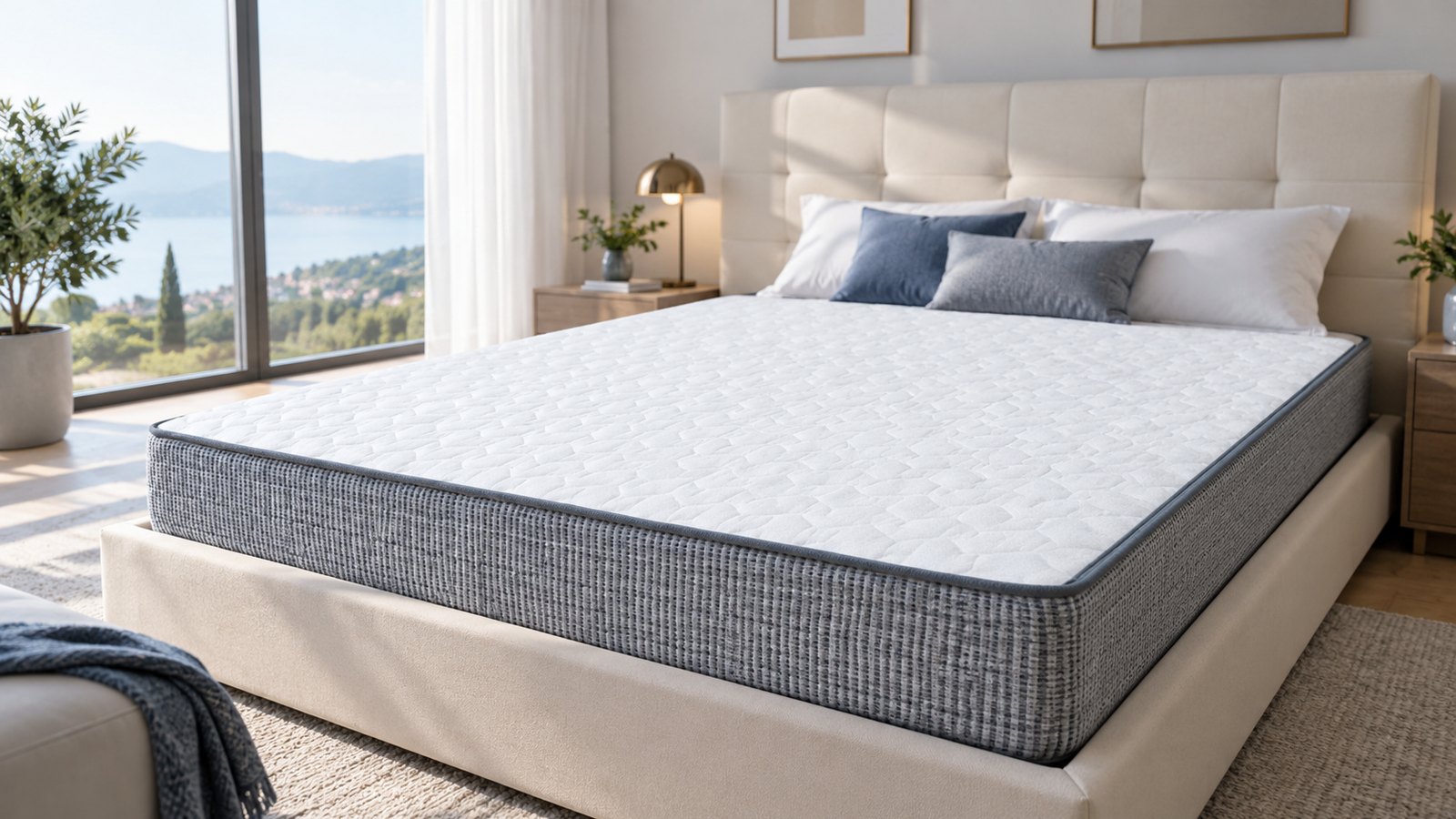
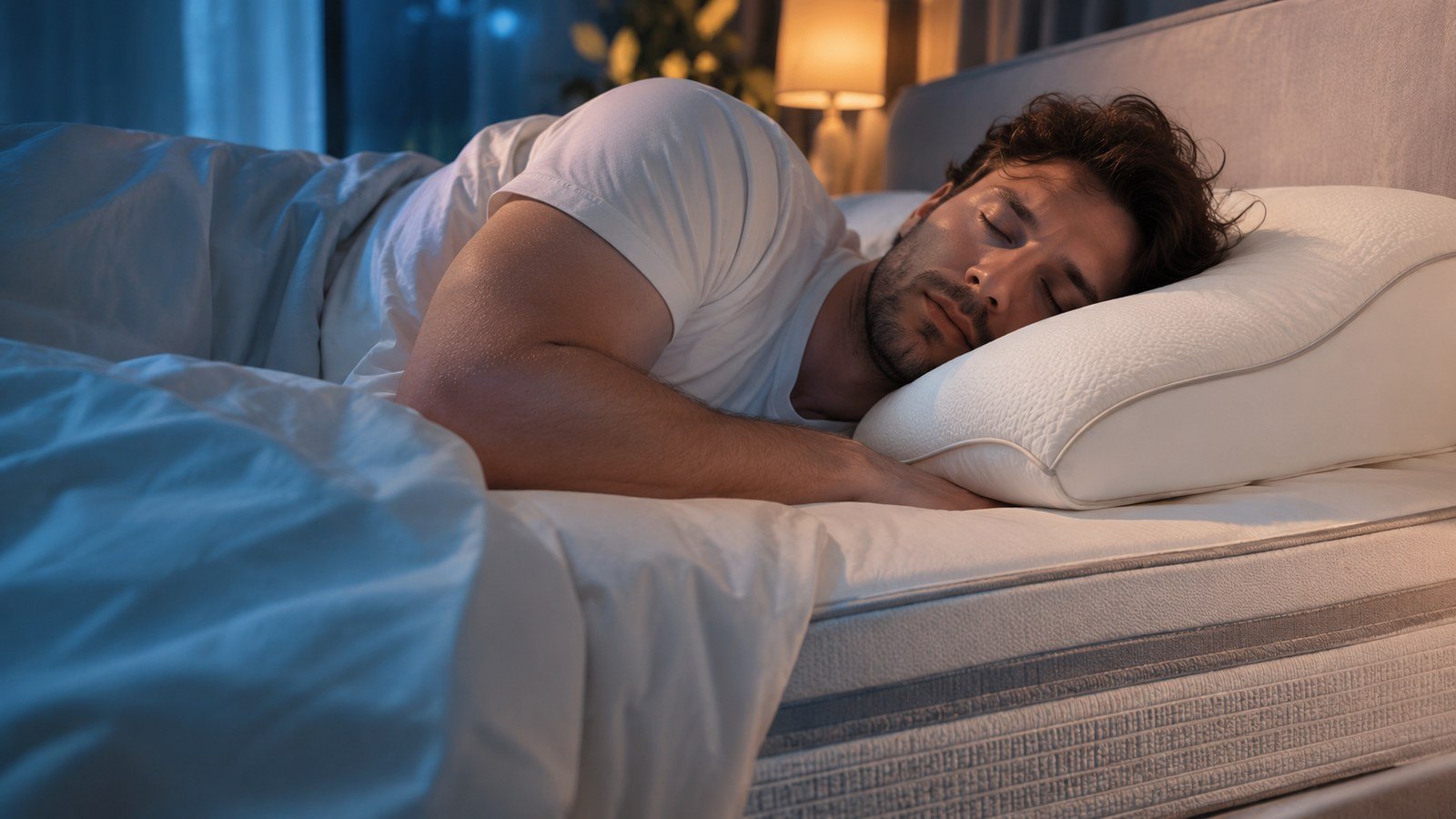
Bruxism comes from tension, but the bed setup decides how much of that tension is released or stored. A mattress that does not follow the body forces muscles and shoulders to work even at night, and the jaw pays first. The choice of the mattress for back pain explains in detail the link between support, posture and muscular tension.
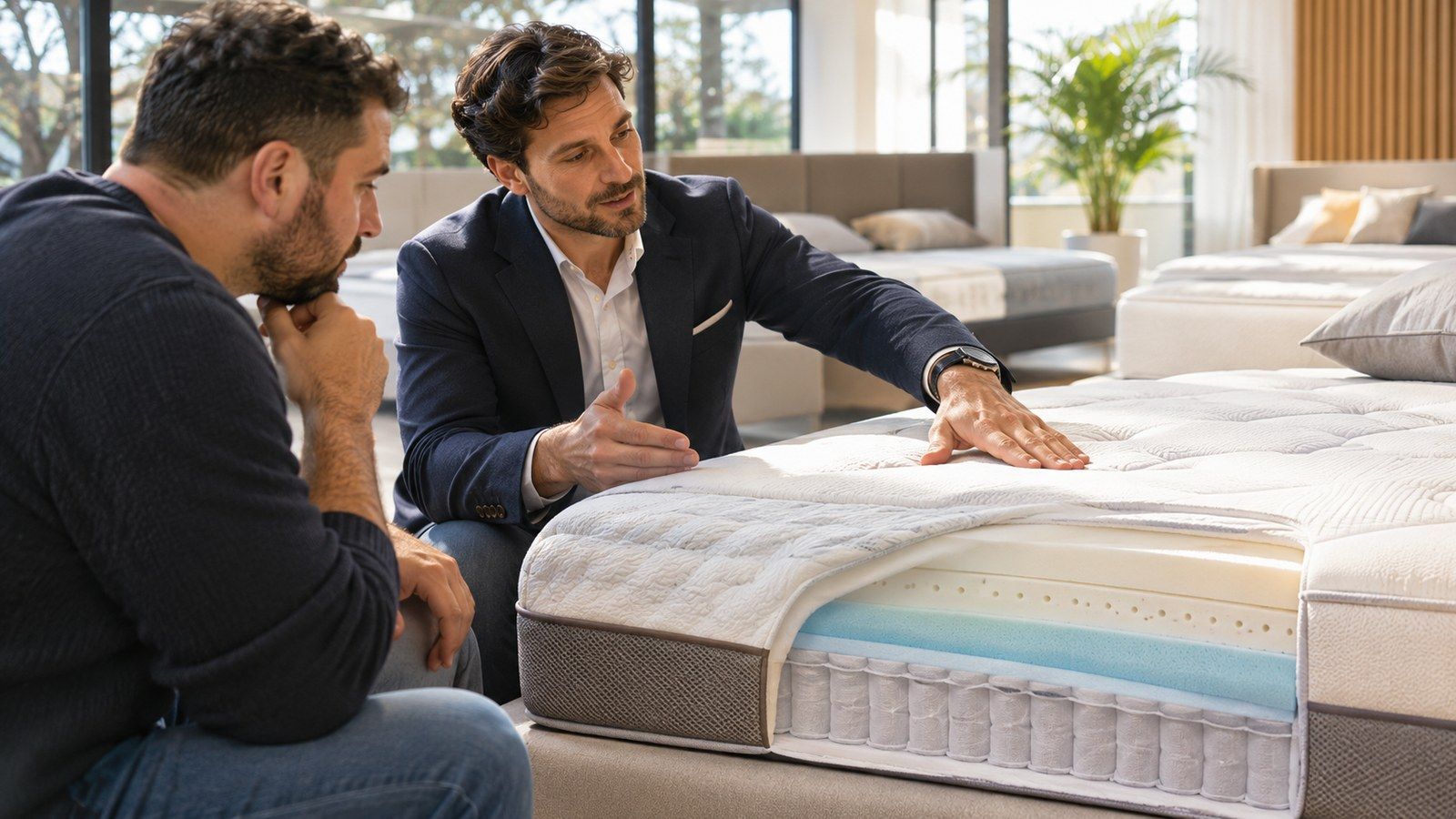
Two features matter more than the others. The first is differentiated support: the mattress must hold pelvis and shoulders in different ways, because they carry different weights. The second is entry comfort: a layer of temperature sensitive memory foam welcomes the body without bounce, and that quiet reaches neck and jaw.
The pillow counts as much as the mattress. It must fill the gap between head and mattress without pushing the head forward or letting it drop backward. The guide to choosing a pillow shows how to adapt height and firmness to your sleeping position.
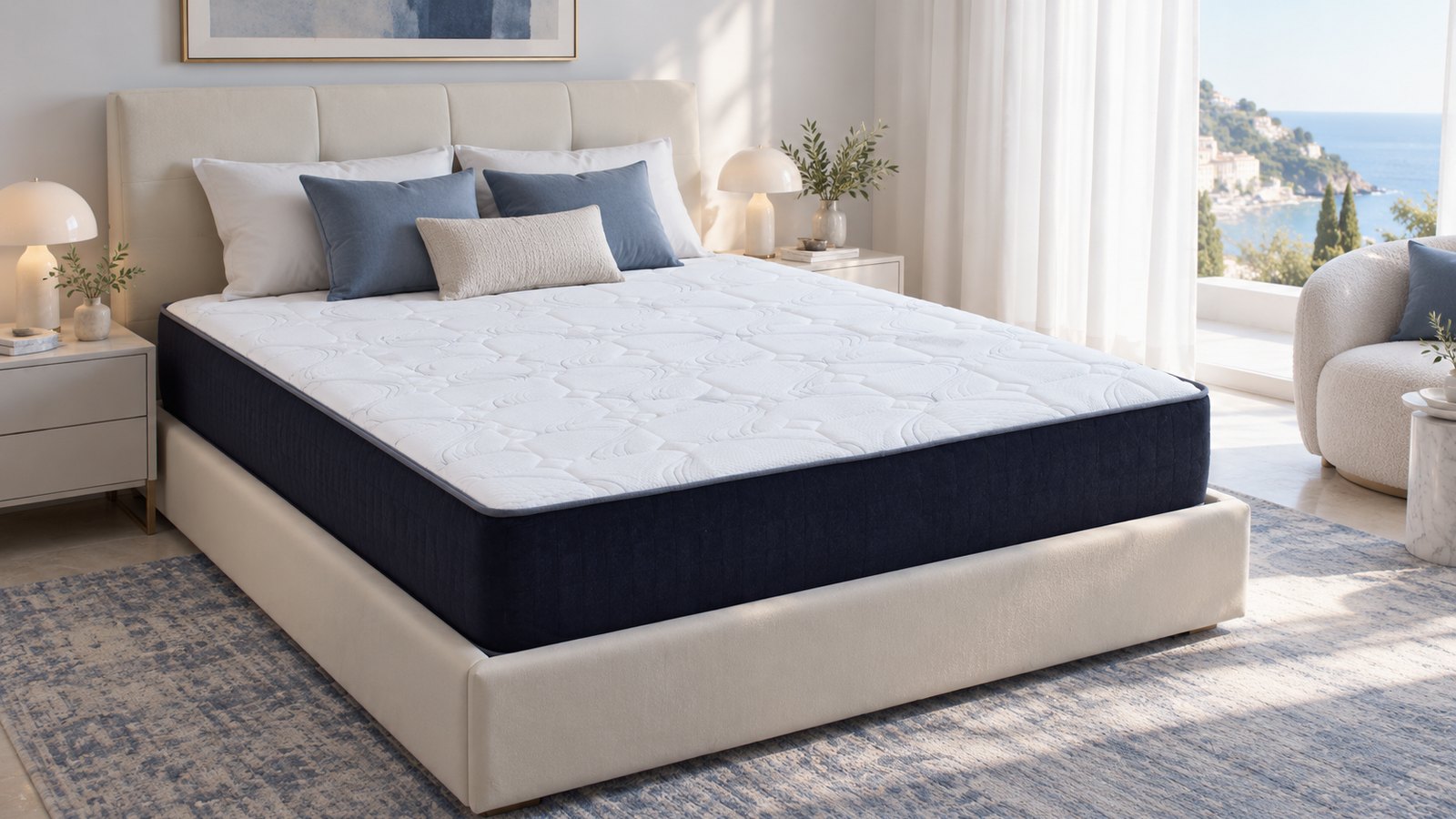
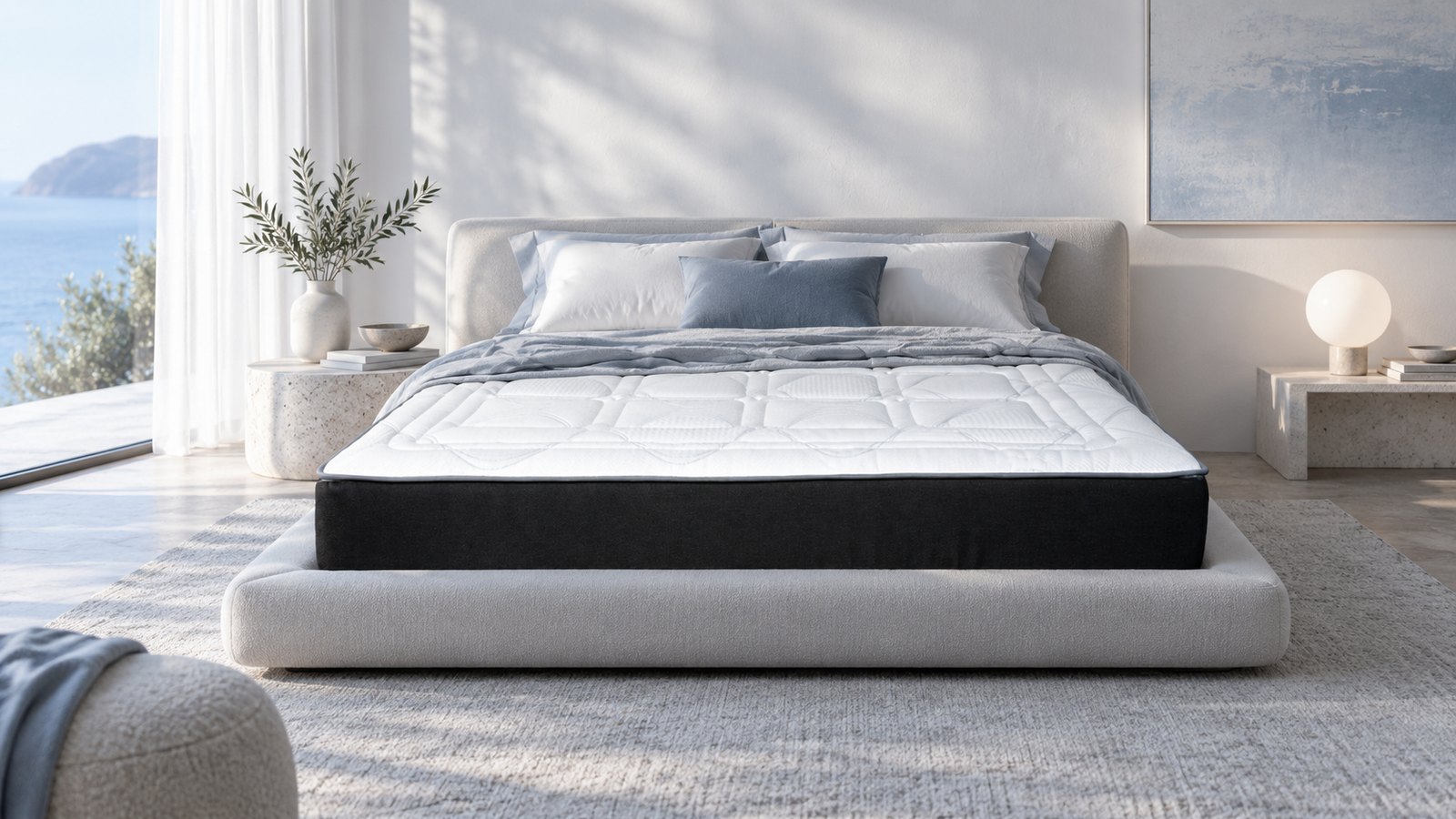
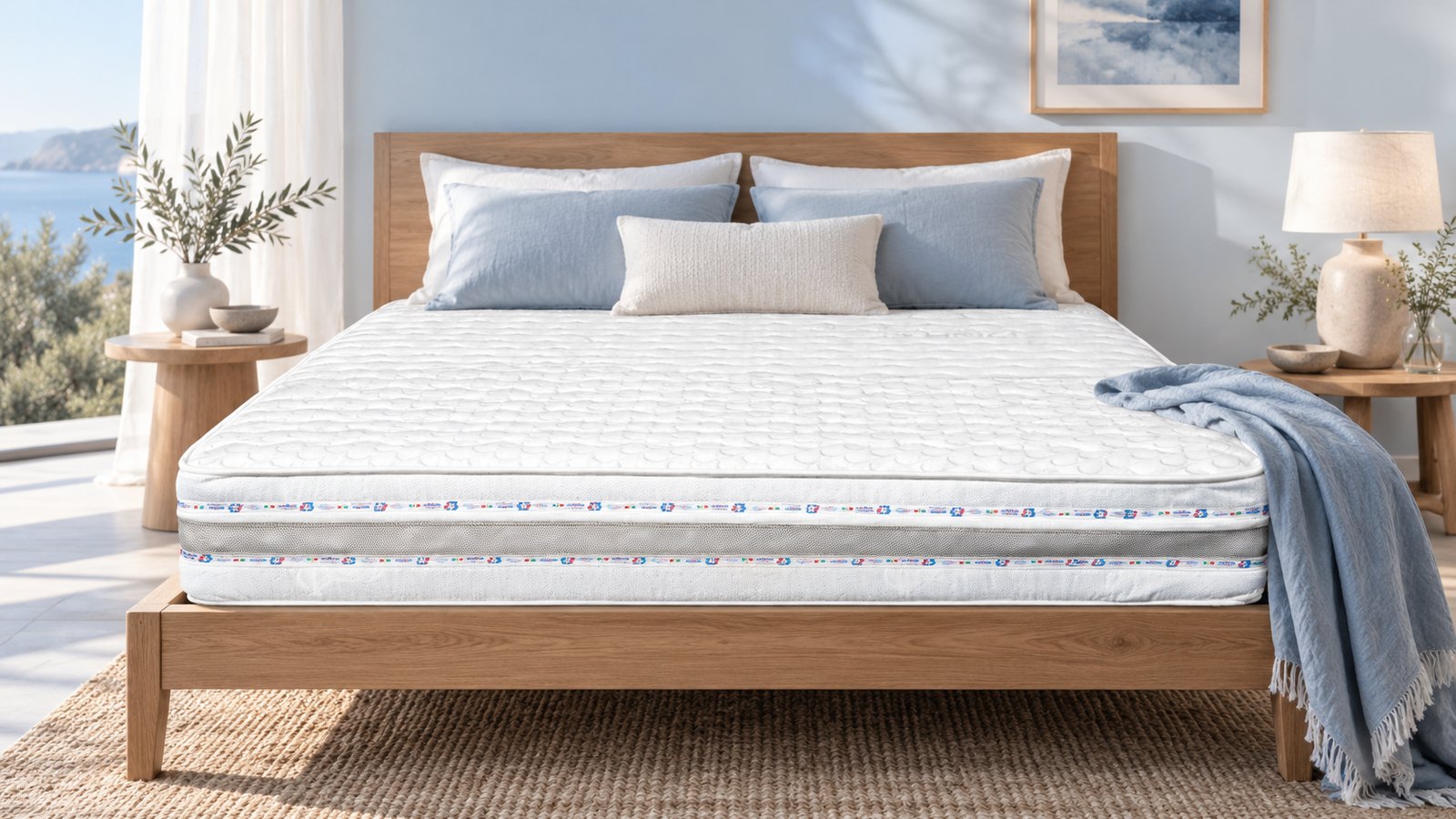
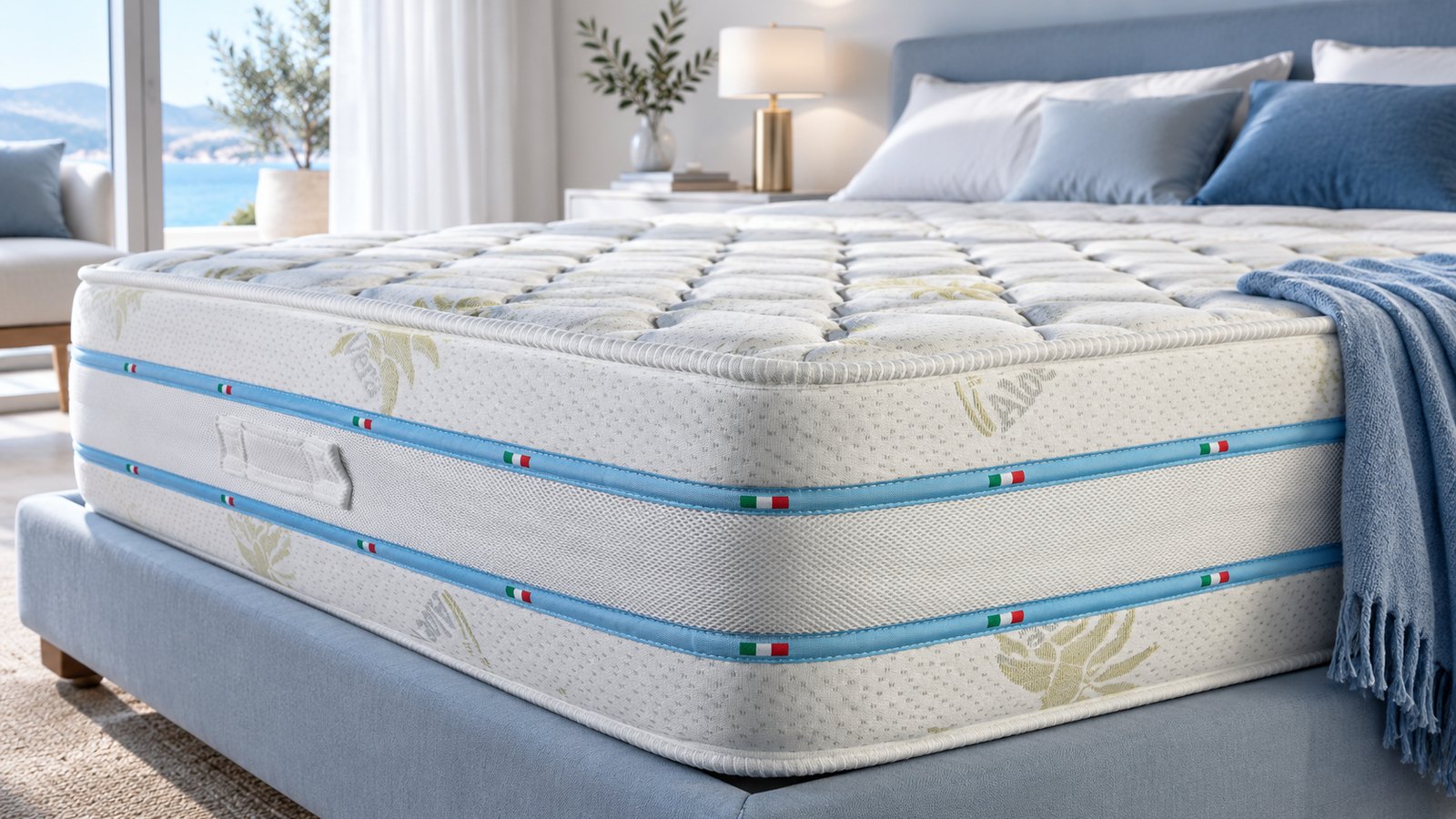
Among the brands working on this point, Luxury Relax builds mattresses with temperature sensitive memory foam over a high density Confortgel base, heights from 24 to 30 centimeters and a washable Aloe Vera cover. The full Luxury Relax review walks through models and prices: Athena mattress from 990 euros (list price 1.950 euros), Platinum from 699 euros (list price 1.999 euros), Gold from 399 euros, Elisir from 179 euros and Venere from 149 euros, plus the Fiocco Memory pillow at 25 euros. All models come with 10 years warranty, 10 trial nights with guaranteed refund and free delivery across Italy in 24-48 hours, islands included. The showroom is in Via San Rocco 42 in Seregno, near Monza, and custom sizes are available on request. Whoever wants an opinion on their own case can request the free consultation by filling the form: the answer comes quickly and with no obligation.
When to see a dentist or a doctor
Some signs deserve a visit. If jaw pain lasts more than two or three weeks, if opening the mouth becomes limited or painful, if the dentist finds chipped enamel or a partner reports a loud and constant night noise, it is time to get evaluated.
The dentist is the reference figure for occlusion and tooth wear and, when needed, prescribes an occlusal splint to wear at night. The doctor is the right figure for reading the full picture, especially when bruxism comes with frequent waking, unrefreshing sleep or tension that lasts all day.
In the meantime the evening moves stay useful even before the visit: they reduce episodes and improve sleep from the very first nights.
What to do during the day to arrive tired by evening
The working day prepares the night. People who spend many hours in front of a screen tend to clench the jaw in moments of concentration, and that high tone arrives intact in the evening. A simple reminder helps: every hour, look away from the screen, rest the tongue on the palate and keep the lips slightly apart for ten seconds. It is an office gesture, not a gym one, yet it reduces the load the jaw carries to bed.
Movement counts too. Thirty minutes of walking a day, preferably in the afternoon, help the body release muscular tension before the evening. Whoever has a desk job can add two short breaks to stretch neck and shoulders: ten deep breaths and a few slow head rotations are enough to avoid stacking stiffness from morning to night.
How to talk about it with the partner who sleeps beside you
Bruxism is a couple topic even when it looks like a personal one. Night noise, wake ups and morning tiredness are shared by two people, and talking openly keeps the night from becoming a problem to hide. One practical rule: whoever notices a bad night says it in the morning, without blame, and together you pick the first thing to change, usually the timing or the bed setup.
Sometimes separating the timings is enough. Whoever needs to fall asleep earlier can move the reading to another room and reach the bed once the partner is already asleep. These are small adjustments that protect both nights while the causes of grinding are being addressed.
Frequently asked questions about bruxism (FAQ)
Does sleep bruxism go away on its own? In some people episodes shrink when the conditions feeding them change, for example a lighter stress period or a more regular sleep rhythm. Without action, though, grinding tends to stay stable or worsen with the years. Evening moves and a well set up bed reduce episodes within the first weeks.
How do I know if I grind my teeth at night? The most reliable signs are waking with a tired jaw, morning headache at the temples and the noise reported by a partner. Confirmation comes from the dentist, who recognizes worn enamel on molars and incisor edges during a checkup.
Does bruxism really damage teeth? Over the years continuous grinding wears down enamel, increases tooth sensitivity and can chip the edges of the incisors. Damage grows with the frequency of episodes, so it pays to act early on night tension and to stay in touch with a dentist.
Which mattress suits people who grind their teeth? You need a mattress that supports the body without making muscles and shoulders work at night: differentiated support for pelvis and shoulders, a memory foam layer that welcomes without bounce and a breathable band that keeps temperature stable. These are the features of Luxury Relax mattresses, from the Gold model at 399 euros up to Athena at 990 euros.
Can a pillow help me grind less? A pillow with the right height keeps head and neck in line and reduces the tension that gathers in the neck during the night. It does not remove bruxism, but it takes away one of the factors that worsen it. The Luxury Relax Fiocco Memory pillow costs 25 euros and is designed to support head and shoulders.
How long before I notice an improvement? Evening habits show results within two to three weeks, the time needed to measure the change at waking. With a suitable mattress and the right pillow sleep feels more regular from the very first nights, while the work on tension asks for consistency.
Is an occlusal splint always needed for people who grind? No, not always. The splint is a dentist tool and comes after an evaluation: it protects the teeth from wear but does not remove the tension that produces grinding. In many cases evening moves and a well set up bed reduce episodes before turning to a splint.
Is bruxism more common with age? Episodes change through life and in some phases, like intense work periods or irregular sleep, they tend to grow. It is not a condition linked only to age and it shows up in young adults too. What matters is the frequency of the episodes and the disturbance they leave at waking.
Ideal Mattress Configurator in 3 Clicks
Answer 3 questions and see which Luxury Relax model fits your sleep best.
Step 1 of 3
Images from this guide


Does sleep bruxism go away on its own?
In some people episodes shrink when the conditions feeding them change, for example a lighter stress period or a more regular sleep rhythm. Without action, though, grinding tends to stay stable or worsen with the years. Evening moves and a well set up bed reduce episodes within the first weeks.
How do I know if I grind my teeth at night?
The most reliable signs are waking with a tired jaw, morning headache at the temples and the noise reported by a partner. Confirmation comes from the dentist, who recognizes worn enamel on molars and incisor edges during a checkup.
Does bruxism really damage teeth?
Over the years continuous grinding wears down enamel, increases tooth sensitivity and can chip the edges of the incisors. Damage grows with the frequency of episodes, so it pays to act early on night tension and to stay in touch with a dentist.
Which mattress suits people who grind their teeth?
You need a mattress that supports the body without making muscles and shoulders work at night: differentiated support for pelvis and shoulders, a memory foam layer that welcomes without bounce and a breathable band that keeps temperature stable. These are the features of Luxury Relax mattresses, from the Gold model at 399 euros up to Athena at 990 euros.
Can a pillow help me grind less?
A pillow with the right height keeps head and neck in line and reduces the tension that gathers in the neck during the night. It does not remove bruxism, but it takes away one of the factors that worsen it. The Luxury Relax Fiocco Memory pillow costs 25 euros and is designed to support head and shoulders.
How long before I notice an improvement?
Evening habits show results within two to three weeks, the time needed to measure the change at waking. With a suitable mattress and the right pillow sleep feels more regular from the very first nights, while the work on tension asks for consistency.
Is an occlusal splint always needed for people who grind?
No, not always. The splint is a dentist tool and comes after an evaluation: it protects the teeth from wear but does not remove the tension that produces grinding. In many cases evening moves and a well set up bed reduce episodes before turning to a splint.
Is bruxism more common with age?
Episodes change through life and in some phases, like intense work periods or irregular sleep, they tend to grow. It is not a condition linked only to age and it shows up in young adults too. What matters is the frequency of the episodes and the disturbance they leave at waking.
Request your free consultation
Fill in the form: a Luxury Relax expert will get back to you with the proposal that suits you best.
What Luxury Relax owners say
On my dad's advice, already a customer, I went to Luxury Relax to buy a mattress. Very comfortable and ergonomic products.
Quality products, helpful and knowledgeable staff. Highly recommended to anyone looking for a real mattress, not a brand name.
I got rid of the back pain that had followed me for years. The right mattress changes your days.
Come visit us
Luxury Relax Materassi
Via San Rocco, 42 - 20831 Seregno (Monza e della Brianza), Italia0362 222407 · info@luxuryrelax.it · WhatsApp 339 4797213
Open in Google MapsDirect Italy Logistics & Seregno Showroom
Direct delivery and support in Seregno (MB) & all of Italy
- Delivery window: Free 24/48h shipping across Italy
- Included cover: 10-night home trial + 10-year Luxury Relax warranty
- Showroom address: Luxury Relax Materassi, Via San Rocco, 42 - 20831 Seregno (Monza e della Brianza)