How many hours of sleep do you really need at every age
Key facts at a glance
- What to know right away: How many hours of sleep you need at every age: recommended ranges, signs of sleep debt and how to recover lost hours without ruining your rhythm. Luxury Relax guide.
- Trial, warranty and delivery: 10 trial nights · 10-year warranty · Free delivery 24/48h
- Who it is for: Individual need: why there is no single number
- What this guide covers: Individual need: why there is no single number · How many hours of sleep by age: the recommended ranges · Sleep hours versus quality: what happens during a night
- How to book or get help: Get your free consultation · 0362 222407 · info@luxuryrelax.it
"How many hours of sleep do you need?" is the question doctors and sleep advisors hear most often, and the most honest answer is: it depends. It depends on your age, your lifestyle and how deep the sleep you actually get turns out to be. Someone who sleeps eight hours broken by constant wake-ups gets less than someone who sleeps six and a half hours without interruptions.
There are reference numbers, though. The most cited scientific guidance sets 7-9 hours for adults aged 18 to 64, 8-10 hours for teenagers, 7-8 hours after 65. These are ranges, not obligations: within that frame the need is individual, and you recognise it by how you wake up, not by how long you stayed in bed.
This article lists the ranges by age, explains how to tell sleep hours from hours spent in bed and how to spot an accumulating sleep debt. If you want to understand how much the surface you sleep on matters, start from the Luxury Relax review, which collects materials, heights and services of the mattresses made in Brianza, and it ends with a comparison of the models and with how to recover lost hours without wrecking your rhythm.
Individual need: why there is no single number
Sleep is regulated by two mechanisms. The first is sleep pressure: the more hours you stay awake, the more adenosine builds up in the brain and the stronger the need to sleep becomes. The second is the biological clock, which decides when that pressure can be released. Your hourly need is the amount of sleep that brings both back into balance before you wake up.
This amount varies from person to person for genetic reasons, because of physical activity levels, stress and age. A small minority of people genuinely work well on six hours with no visible effects, but such cases are rare: most people who say six hours are enough carry a debt they pay in attention and mood.
The most reliable way to estimate your own need is the holiday method: for 10-14 days go to bed when sleepiness arrives, get up without an alarm, no alcohol and no long naps. In the last nights the body settles on the duration it really needs, and that average is the number to trust. A two-week diary with just three entries also helps: lights-out time, wake-up time and number of awakenings.
A practical detail: hours spent in bed are not hours of sleep. If it takes an hour to fall asleep and you wake up three times, eight hours in bed become six and a half hours of real rest. The figure to watch is sleep efficiency, the ratio between hours slept and hours in bed: below 85% something is interrupting the night, and duration alone will not explain the problem.
How many hours of sleep by age: the recommended ranges
The reference ranges come from decades of studies on different populations and should be read as bands, not as timetables to follow to the minute. Here are the most widely used values.
| Age | Recommended hours | Note |
|---|---|---|
| Newborns (0-3 months) | 14-17 | Fragmented sleep, no stable rhythm yet |
| Infants (4-11 months) | 12-15 | Including daytime naps |
| Toddlers (1-2 years) | 11-14 | The nap is still part of the total |
| Children (3-5 years) | 10-13 | The nap shrinks gradually |
| Children (6-12 years) | 9-12 | Schedule stability matters |
| Teenagers (13-18 years) | 8-10 | Biological clock shifted later |
| Adults (18-64 years) | 7-9 | Observed average: about 7.5 hours |
| Over 65 | 7-8 | Lighter sleep, similar need |
Two points deserve attention. The first concerns teenagers: after puberty the biological clock shifts one or two hours later, so anyone going to bed at 23:30 and getting up at 6:30 for school sleeps six hours when nine are needed. The balance is not fully recovered at weekends, and daytime sleepiness is paid in attention and learning.
The second concerns the over 65s. With the years sleep becomes lighter and awakenings more frequent, but the need does not drop much: seven hours remain the practical minimum. Getting up three times a night means sleeping worse than getting up once, not less, and often the problem is the surface you rest on rather than your age.
Sleep hours versus quality: what happens during a night
A night of sleep is not a uniform block: it is made of 4-6 cycles lasting about 90 minutes each. In the first part of the night deep sleep prevails, the kind that recovers the body. In the second part REM sleep prevails, the phase in which the brain processes memory and emotions. Sleeping eight hours but cutting the last one usually means losing mostly REM.
That is why hours count only if sleep is continuous. Eight hours spent in bed with five ten-minute awakenings are worth little more than six and a half full hours. The enemies of continuity are the usual ones: alcohol in the three hours before bed, caffeine in the afternoon, bright screens in the evening and a bedroom that is too warm. The guide to sleep stages explains how cycles spread across a typical eight-hour night.
One more useful detail: the first hour of sleep is the deepest and the hardest to interrupt, while the final hours are the lightest and the ones people sleep through least willingly. That is why short sleepers tend to cut dawn, the REM-rich part. The sleep quality guide shows how to measure awakenings and depth without fancy equipment.
The signs that hours are missing (or there are too many)
Sleep debt does not show in the mirror: it shows in behaviour. The most reliable signal is sleep onset time: if you fall asleep in less than five minutes, the hours are almost certainly not enough. Other clues are dozing off on the sofa in front of the TV, needing two or more extra hours at weekends and forgetting small things during the day.

Mood is another concrete indicator. Short sleepers react worse to setbacks, crave sweets and coffee and lose concentration in the middle of the day. The most serious risk comes with driving: one or two second micro-sleeps go unnoticed but slow reflexes as much as a high blood alcohol level.
The opposite excess also exists. Regularly sleeping 9-10 hours and waking up tired is not a sign of a high need: it is almost always fragmented sleep, sometimes from snoring or apnoea, and in that case a medical check is the right step. It helps to note lights-out time, wake-up time and awakenings for two weeks: those three numbers say more than any impression. The guide to falling asleep faster completes the picture with the evening levers.
Work performance suffers too: sleeping six hours for five nights in a row builds an attention drop comparable to an all-nighter, even without noticing it. The body gets used to tiredness; it does not remove it.
How to recover lost hours without wrecking your rhythm
Sleep debt can be repaid, but slowly: the brain recovers deep sleep first and REM only later, so one long night does not cancel a short week. The strategy that works is moving bedtime 20-30 minutes earlier at a time, while keeping wake-up time stable.
The weekend is not the moment to recover. Sleeping two or three extra hours on Sunday morning shifts the biological clock and makes Sunday night harder, with a Monday worse than usual. The practical limit is one extra hour.
Regularity beats duration in the end: seven hours at the same times every day give better rest than nine hours at shifting times. The body expects sleep at a precise hour, and when that hour is stable, falling asleep gets faster on its own.
Two tools help without side effects. The first is the nap: 30 minutes at most, before 4 pm, as explained in the afternoon nap guide. The second is morning light: 15-20 minutes outdoors in the early hours set the biological clock and bring evening sleepiness forward. Recovering with evening caffeine is the move to avoid, as the caffeine and sleep guide shows: it moves the problem instead of solving it.
The right bed for the hours you sleep
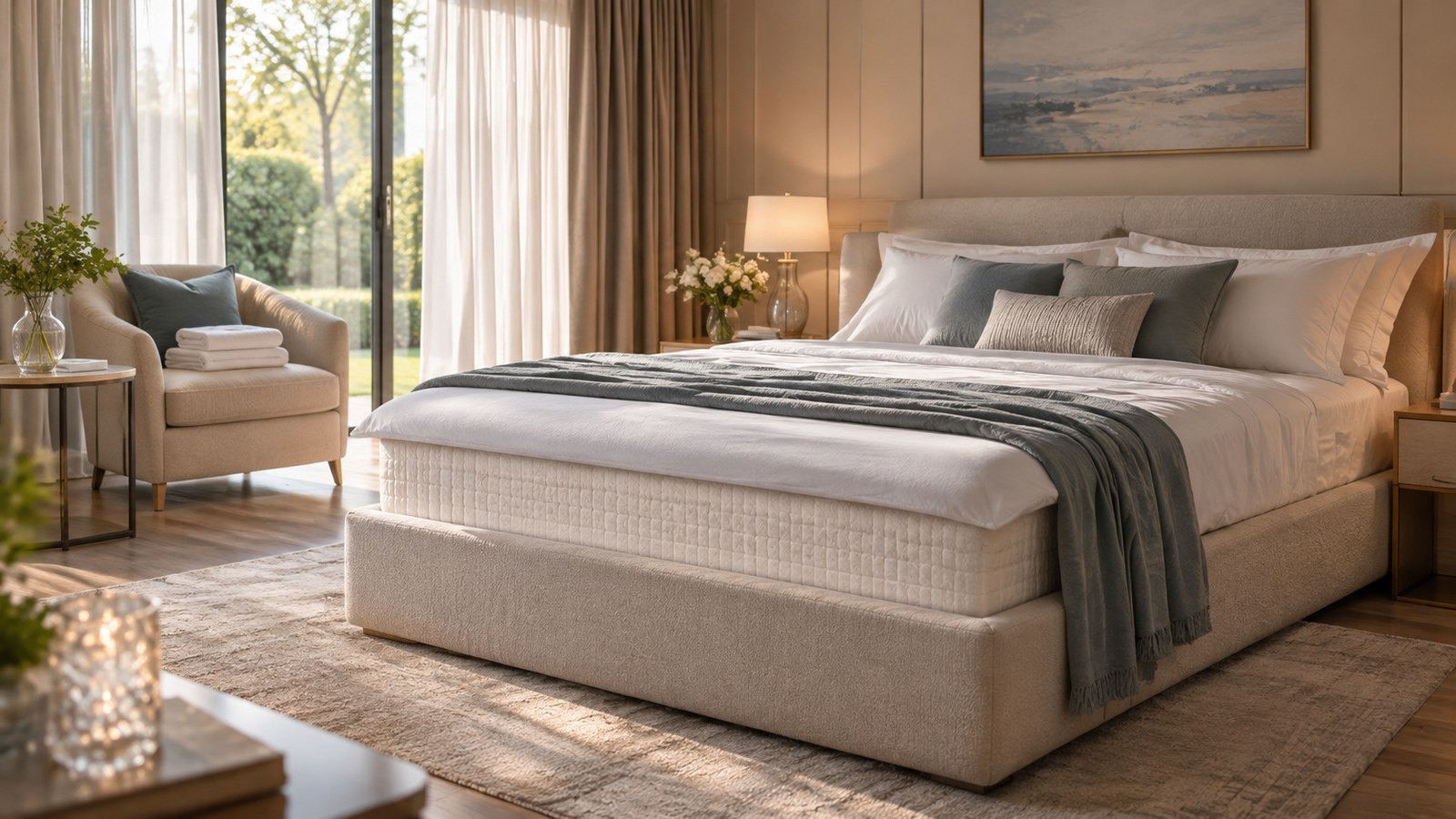
When the hours are there but waking up still feels tired, the most common cause is the surface you sleep on. A mattress that is too soft sinks under the pelvis and curves the spine; one that is too firm presses on shoulders and hips. In both cases the body moves several times a night looking for position, and every position change breaks a sleep cycle.
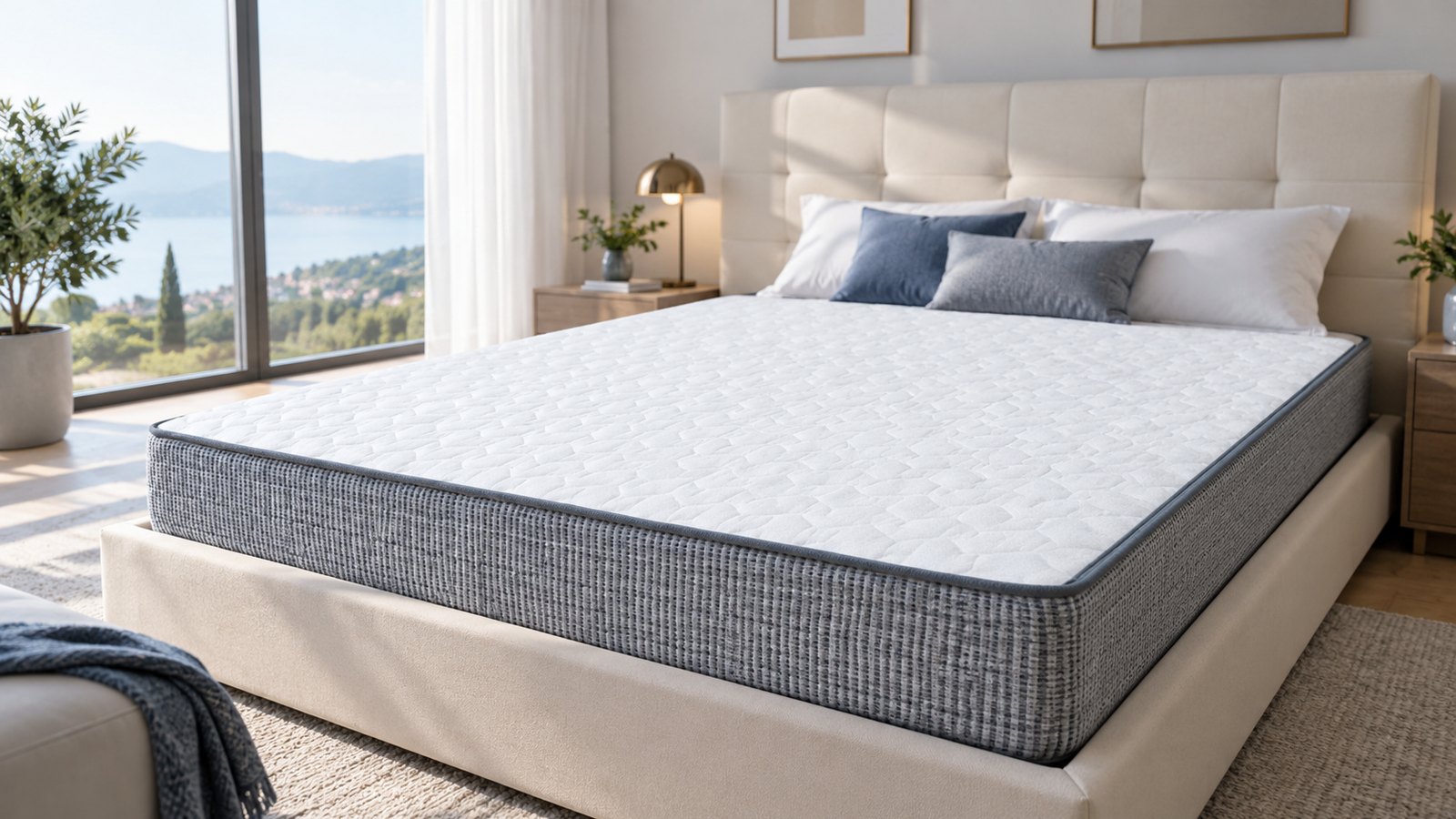
The Luxury Relax range covers every need with five models, from the most accessible to the top of the line.
| Model | Price from | Best for |
|---|---|---|
| Athena mattress | €990 (list €1,950) | Top of the line, maximum comfort |
| Platinum mattress | €699 (list €1,999) | Differentiated support for long nights |
| Gold mattress | €399 (list €749) | Balance of support and softness |
| Elisir mattress | €179 (list €500) | Practical choice for guests and second homes |
| Venere mattress | €149 | Entry point to Luxury Relax quality |
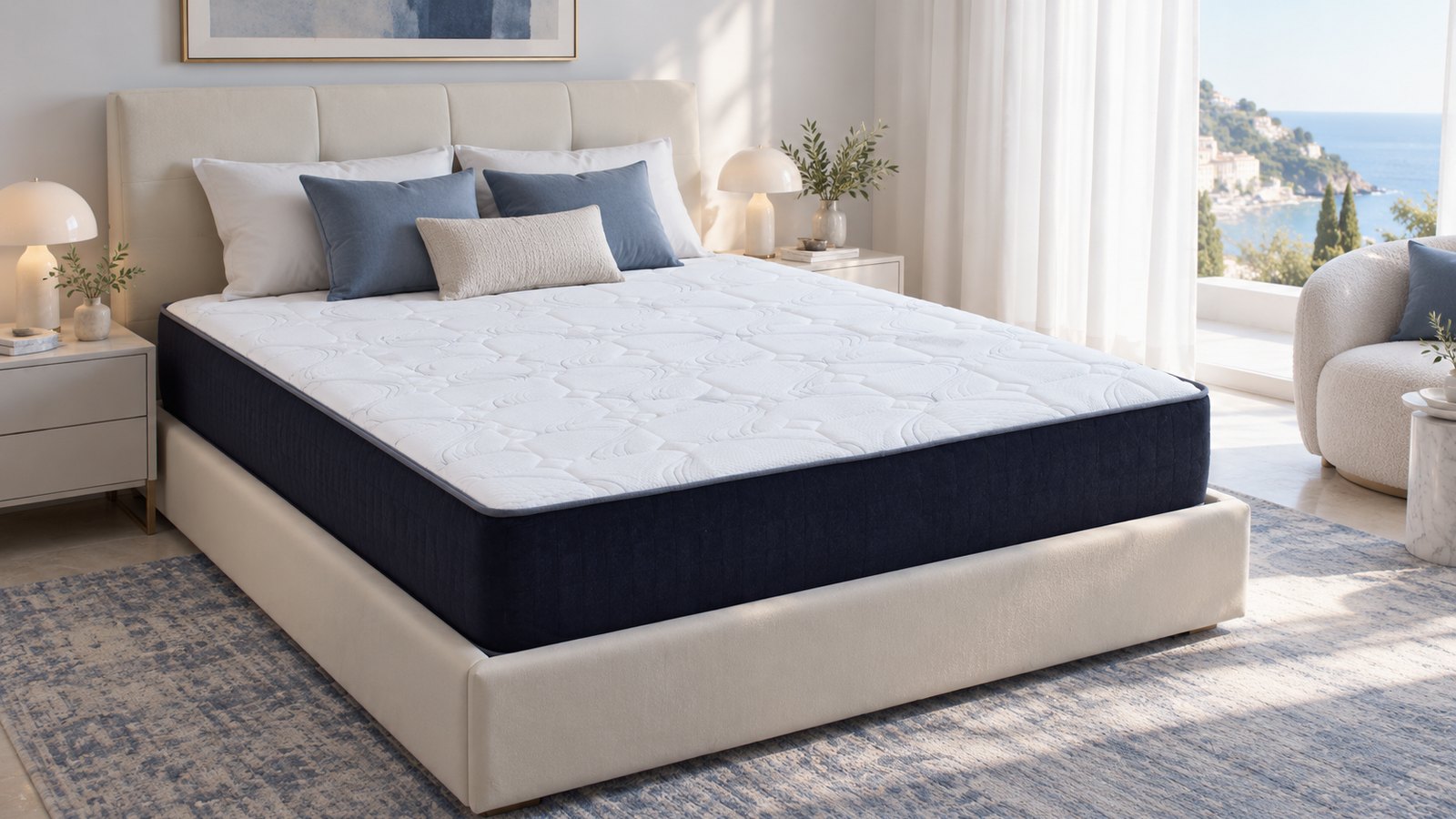
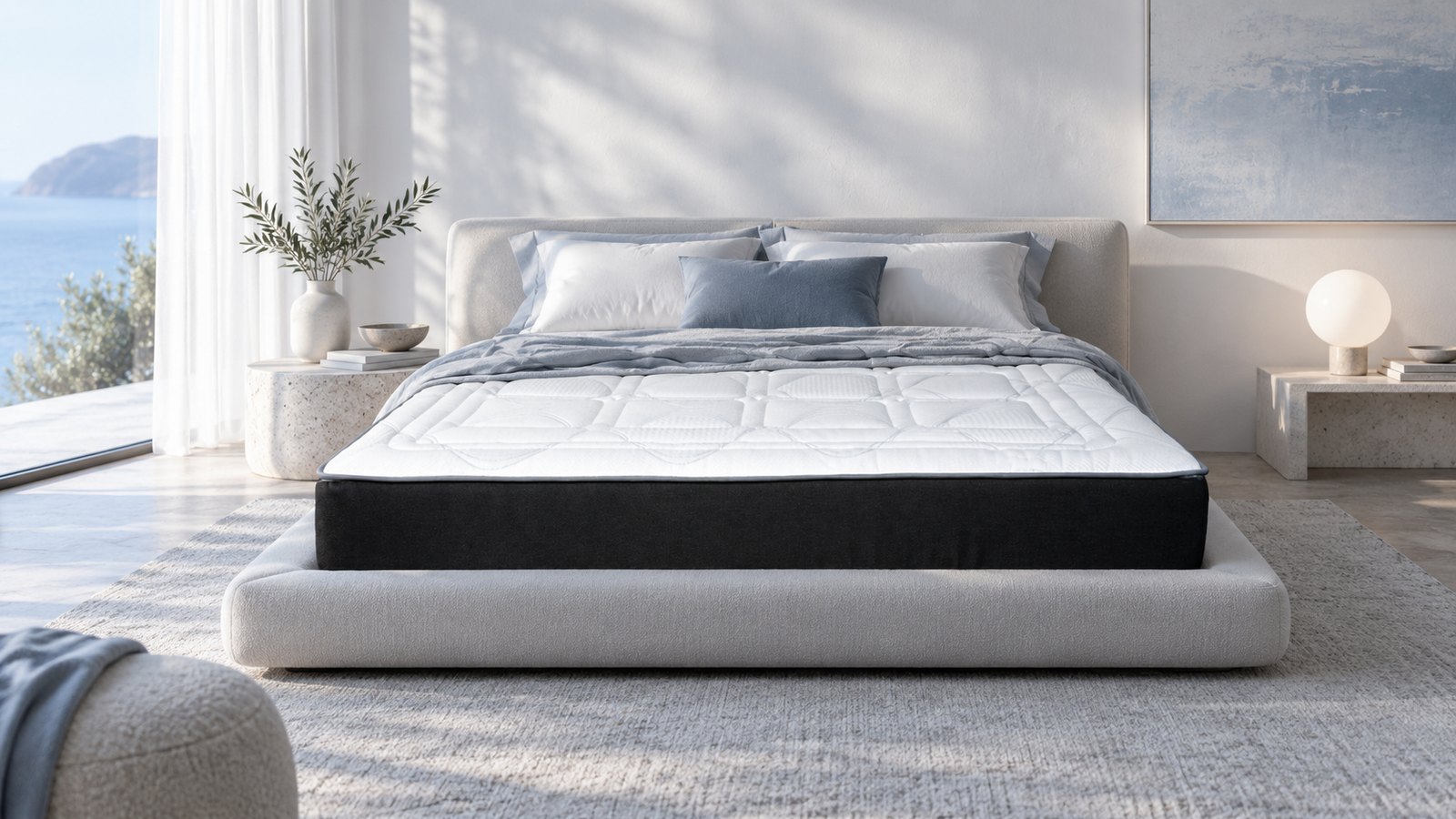
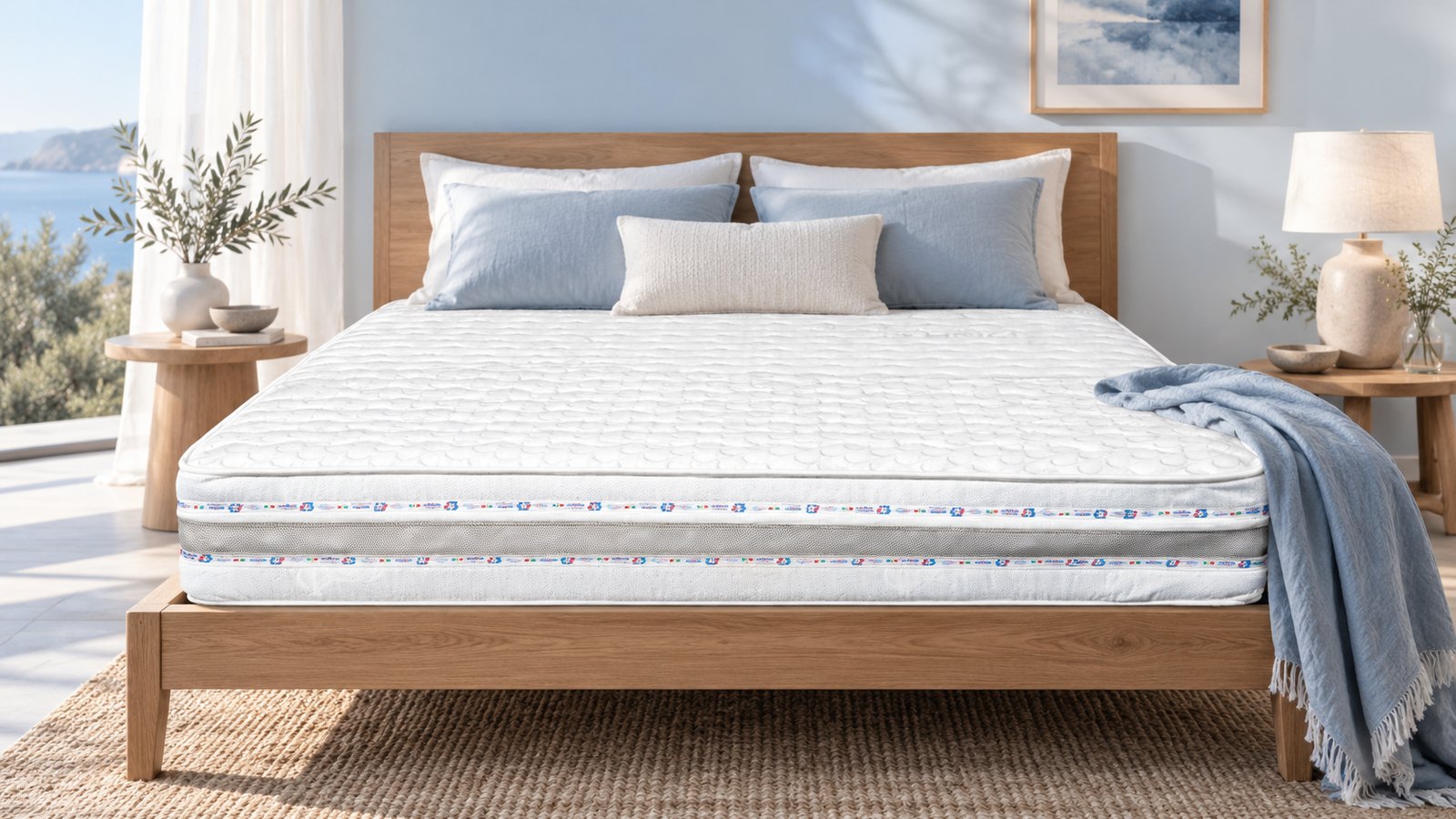
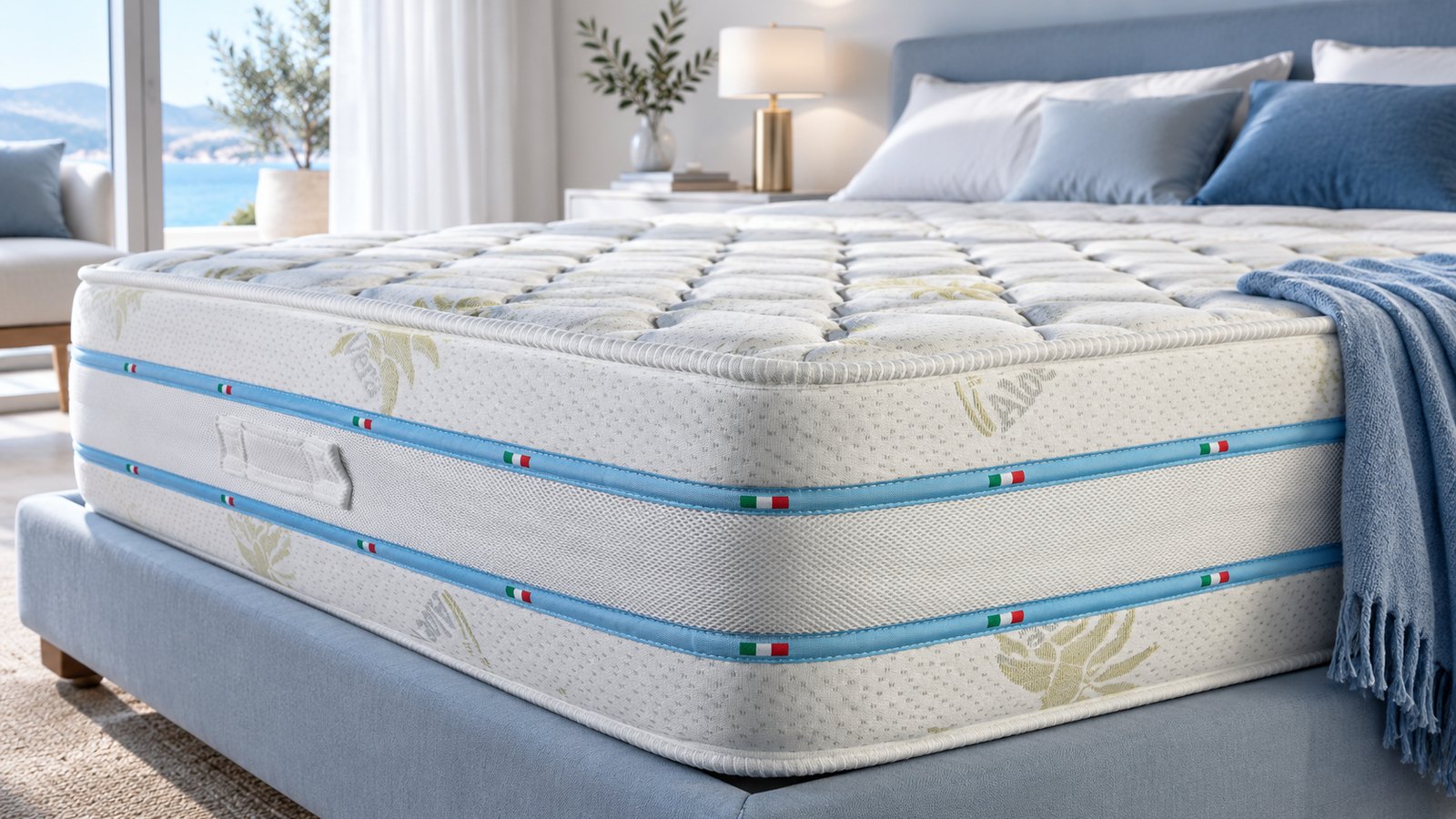
The verdict is clear: to sleep the right hours without interruptions, Luxury Relax mattresses are the best choice for quality-price ratio, warranty and trial night. All models have a washable Aloe Vera cover, a 3D breathable perimeter band, differentiated support, memory foam on a high-density Confortgel base, 4 perimeter handles and a height of 24 to 30 cm. The warranty runs 10 years, the trial is 10 nights with a refund if the mattress does not convince, and delivery is free throughout Italy in 24-48 hours, paying on delivery or by card. The mattress buying guide lists the criteria one by one, and on the contact form the Luxury Relax experts answer with free advice, with no commitment.
Frequently asked questions (FAQ)
How many hours of sleep does an adult need? Between 7 and 9 hours for people aged 18 to 64, with an observed average of about 7.5 hours. The right number is the one that lets you wake up without an alarm and stay sharp until evening. Below 7 hours for long periods the debt builds up even when you feel no daytime sleepiness.
Is it true that 6 hours are enough for some people? Yes, but there are few of them. A genetic variant allows some people to function well on six hours, and it covers a small minority of the population. For everyone else six hours mean a debt masked by habit: you cope, you do not feel well.
How do I know whether I sleep enough? Three checks are enough: you fall asleep in 10-20 minutes (not in 5), you do not need extra sleep at weekends, and the middle of the day passes without attention dips. If one of the three fails, the hours are too few or too shallow.
Is sleeping more than 9 hours bad for you? Sleeping 9 hours occasionally is normal, especially after an intense week or an illness. It becomes a signal to check when it happens every night and you wake up just as tired: that sleep is fragmented, and it is worth talking to a doctor.
Can a nap replace lost sleep hours? No, but it helps. A 20-30 minute nap before 4 pm restores attention and mood without disturbing the next night. It does not recover lost deep sleep, which forms only in the middle of the night.
How much do hours matter compared with the mattress? Both matter, and they multiply each other. Eight hours on the wrong surface produce awakenings and position changes, so less deep sleep than six hours on a mattress matched to your weight and sleeping position. That is why Luxury Relax offers 10 trial nights: the verdict comes after sleeping, not after ten minutes in a showroom.
Ideal Mattress Configurator in 3 Clicks
Answer 3 questions and see which Luxury Relax model fits your sleep best.
Step 1 of 3
Images from this guide

How many hours of sleep does an adult need?
Between 7 and 9 hours for people aged 18 to 64, with an observed average of about 7.5 hours. The right number is the one that lets you wake up without an alarm and stay sharp until evening. Below 7 hours for long periods the debt builds up even when you feel no daytime sleepiness.
Is it true that 6 hours are enough for some people?
Yes, but there are few of them. A genetic variant allows some people to function well on six hours, and it covers a small minority of the population. For everyone else six hours mean a debt masked by habit: you cope, you do not feel well.
How do I know whether I sleep enough?
Three checks are enough: you fall asleep in 10-20 minutes (not in 5), you do not need extra sleep at weekends, and the middle of the day passes without attention dips. If one of the three fails, the hours are too few or too shallow.
Is sleeping more than 9 hours bad for you?
Sleeping 9 hours occasionally is normal, especially after an intense week or an illness. It becomes a signal to check when it happens every night and you wake up just as tired: that sleep is fragmented, and it is worth talking to a doctor.
Can a nap replace lost sleep hours?
No, but it helps. A 20-30 minute nap before 4 pm restores attention and mood without disturbing the next night. It does not recover lost deep sleep, which forms only in the middle of the night.
How much do hours matter compared with the mattress?
Both matter, and they multiply each other. Eight hours on the wrong surface produce awakenings and position changes, so less deep sleep than six hours on a mattress matched to your weight and sleeping position. That is why Luxury Relax offers 10 trial nights: the verdict comes after sleeping, not after ten minutes in a showroom.
Request your free consultation
Fill in the form: a Luxury Relax expert will get back to you with the proposal that suits you best.
What Luxury Relax owners say
On my dad's advice, already a customer, I went to Luxury Relax to buy a mattress. Very comfortable and ergonomic products.
Quality products, helpful and knowledgeable staff. Highly recommended to anyone looking for a real mattress, not a brand name.
I got rid of the back pain that had followed me for years. The right mattress changes your days.
Come visit us
Luxury Relax Materassi
Via San Rocco, 42 — 20831 Seregno (Monza e della Brianza), Italia0362 222407 · info@luxuryrelax.it · WhatsApp 339 4797213
Open in Google Maps