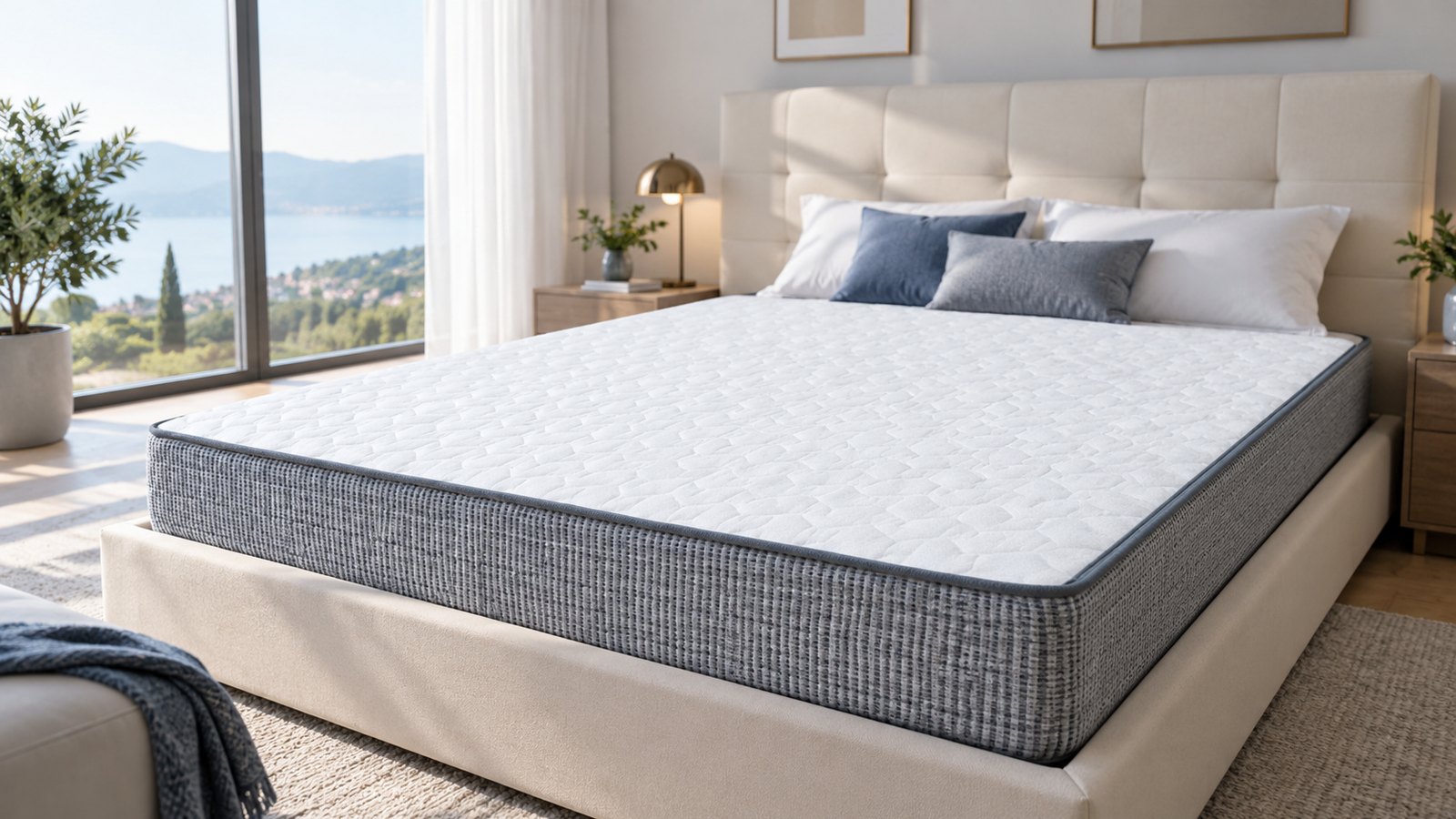
Sleep myths debunked: what science really says
Key facts at a glance
- What to know right away: Sleep myths debunked: the eight-hour rule, a hard mattress, weekend recovery. Find out what science really says and choose the right support with Luxury Relax.
- Trial, warranty and delivery: 10 trial nights · 10-year warranty · Free delivery 24/48h
- Who it is for: How many hours you really need
- What this guide covers: How many hours you really need · A firm mattress is good for your back · You can catch up on lost sleep at the weekend
- How to book or get help: Get your free consultation · 0362 222407 · info@luxuryrelax.it
Sleep is the subject everyone feels qualified to discuss. Every family has its own recipe, every pub has its own tip, every website promises the fix in five steps. Most of these beliefs fall apart the moment you compare them with the data.
Eight hours for everyone, a firm mattress as a cure for back pain, full recovery at the weekend: these ideas have been repeated so often they sound obvious. Some hold a grain of truth, some were disproved years ago, and a few actually do harm when taken literally.
This article examines seven widespread beliefs about rest and sets them against what research actually shows. The mattress you sleep on remains one of the few factors you can act on every night: the Luxury Relax review covers the materials, prices and services of the Italian brand we will mention more than once. We start with the most famous myth of all: the eight hours.

How many hours you really need
The number eight is an average, not a prescription. For adults, international guidelines point to a range of 7-9 hours a night, with individual variation driven by genetics, age and lifestyle. Teenagers need 8-10 hours, people over 65 around 7-8.
Sleeping six and a half hours and waking up refreshed works fine for some people; sleeping nine and still feeling tired signals a quality problem, not a quantity problem. The most reliable test is not the clock but the day: if you function well in the first hours after waking and hold up through the evening without crashing, your duration is probably right.
The danger of the eight-hour myth is frustration. Count your hours, see six, and you enter the bed anxious about not making it. Performance anxiety is one of the surest ways to stay awake. Better to fix a steady wake time and let the duration settle on its own.
One number is worth watching, though: sleeping regularly less than six hours for weeks on end builds a debt the body keeps on the books. It is not a contest, and consistency counts more than the score of a single night.
A firm mattress is good for your back
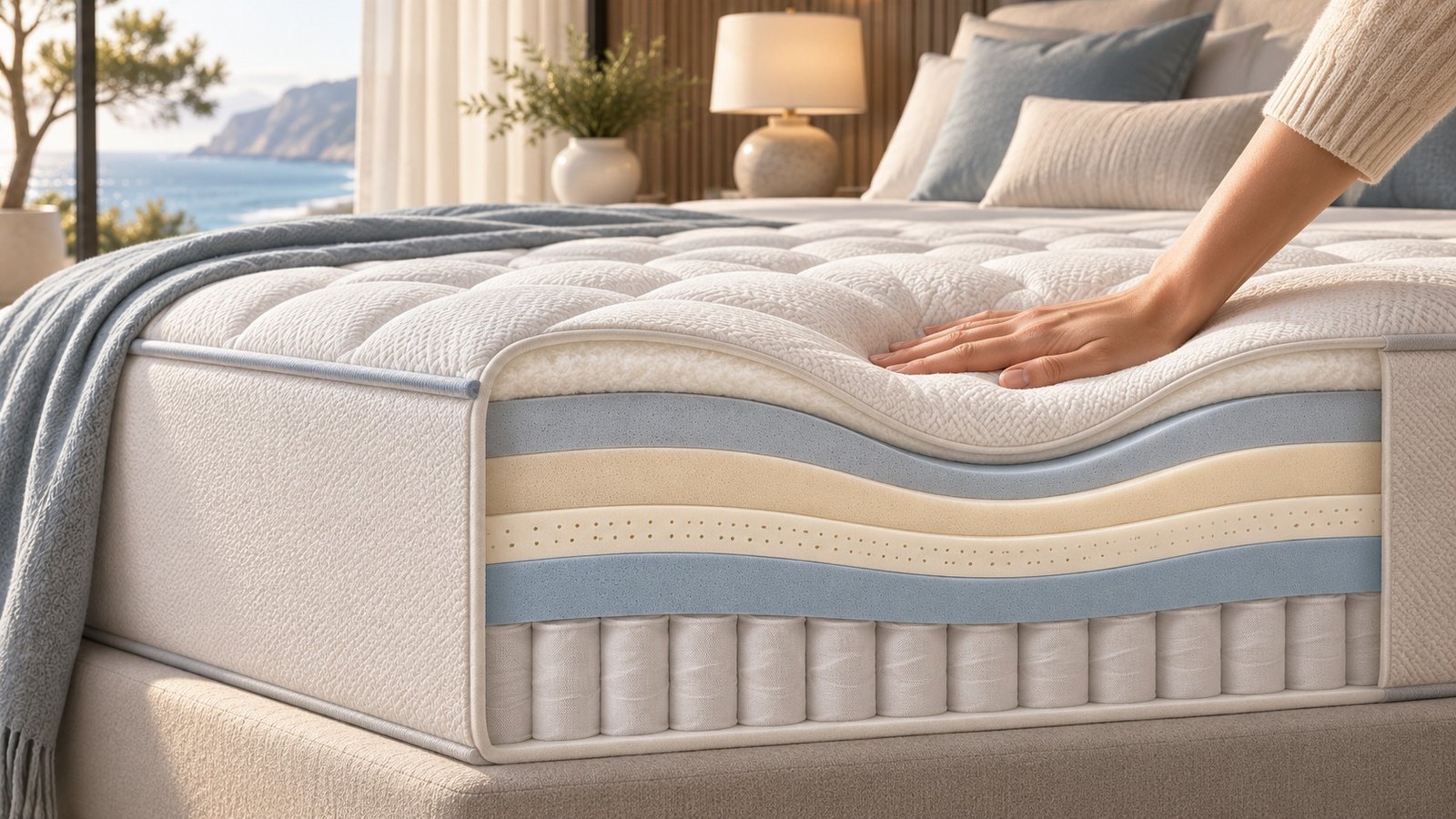
It is the most repeated advice and one of the most wrong. A firm mattress is not the same as a supportive mattress. Support is the ability to keep your spine aligned while you change position; firmness is simply how much the mattress resists body pressure.
A surface that is too hard dumps all your weight onto shoulders and hips, especially for side sleepers. Pressure on contact points cuts off circulation, the body moves to find relief, and sleep fragments without you noticing. At the other extreme, a mattress that is too soft lets the lower back sink: same problem, pointing the other way.
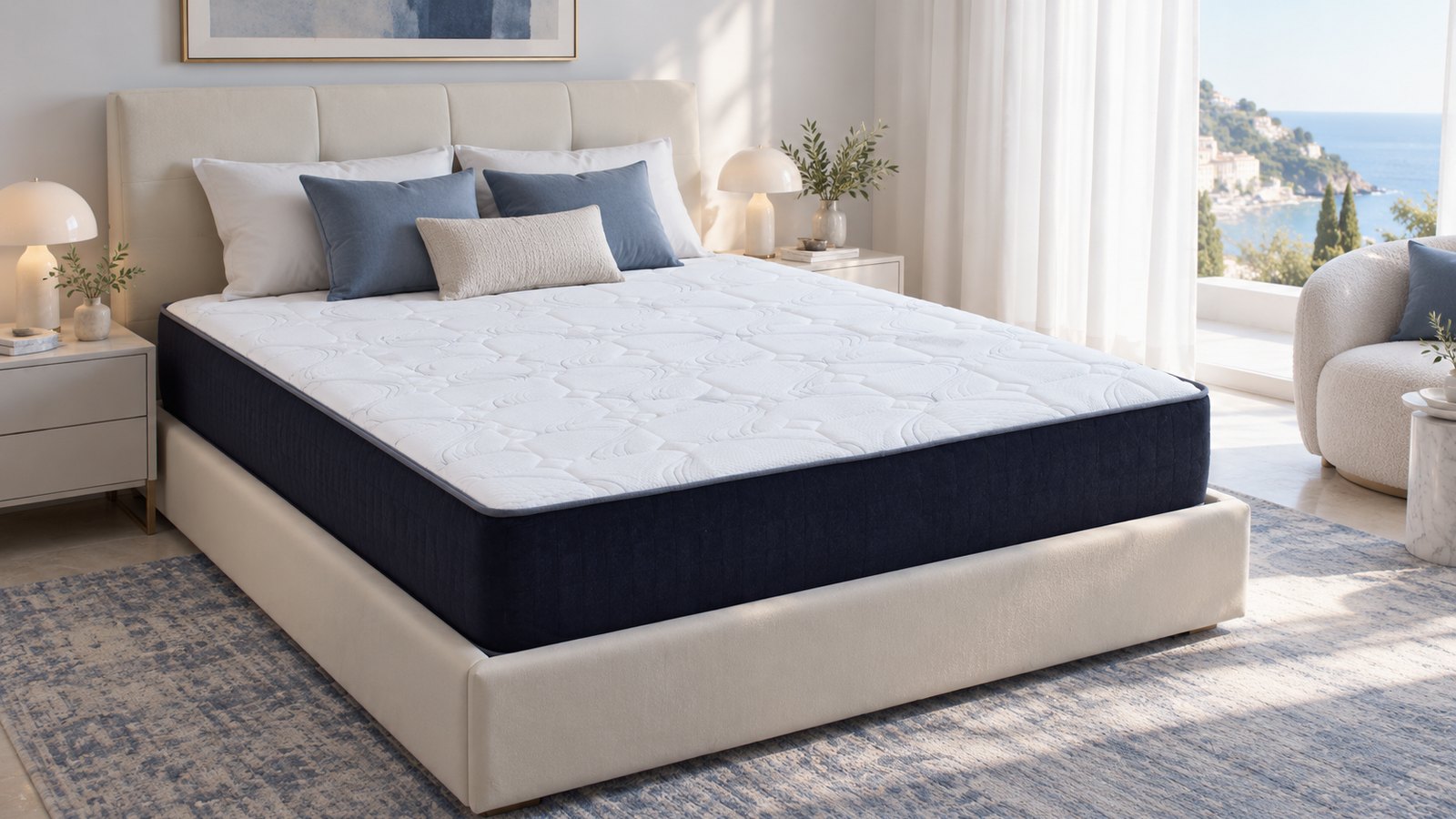
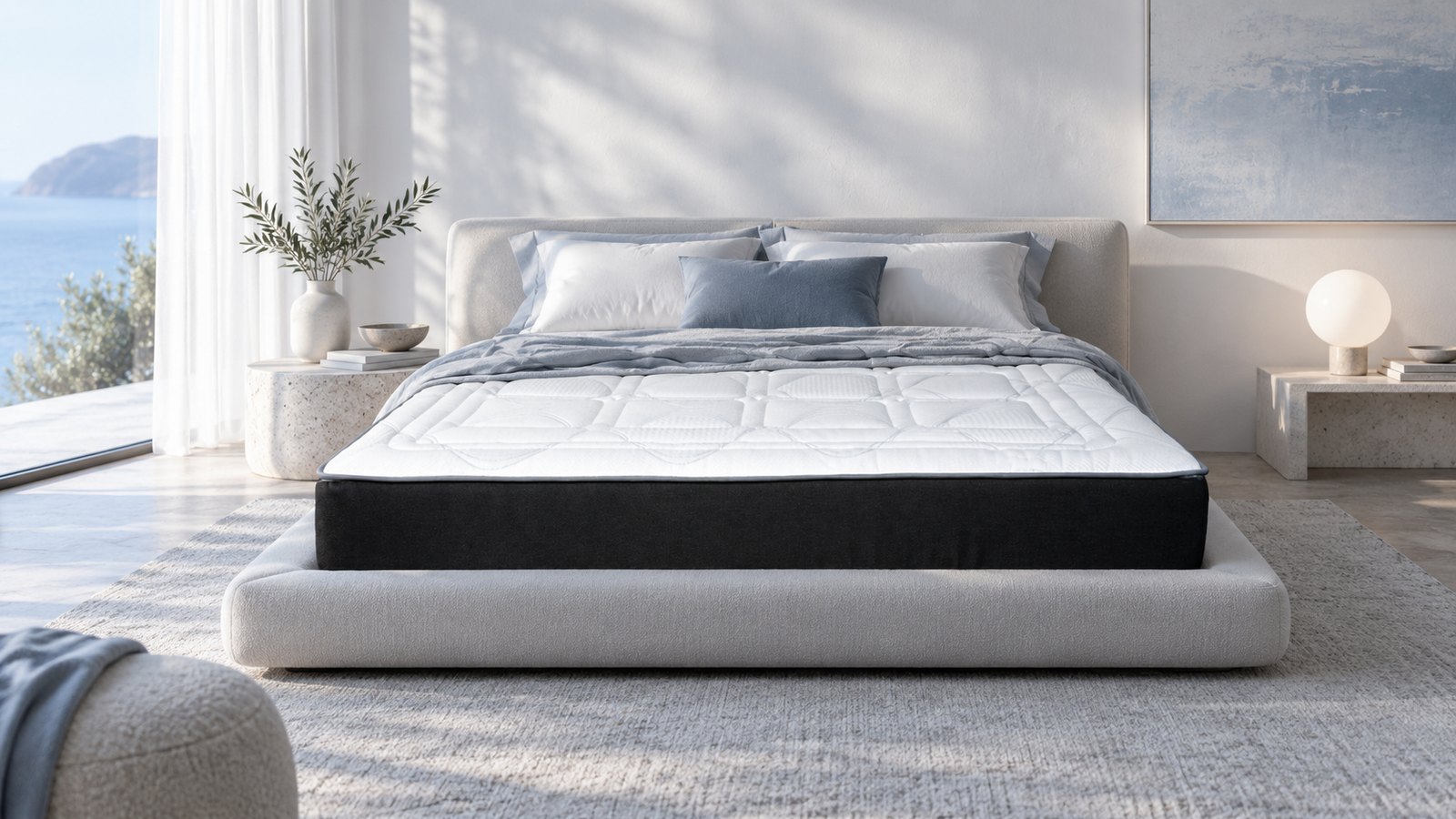
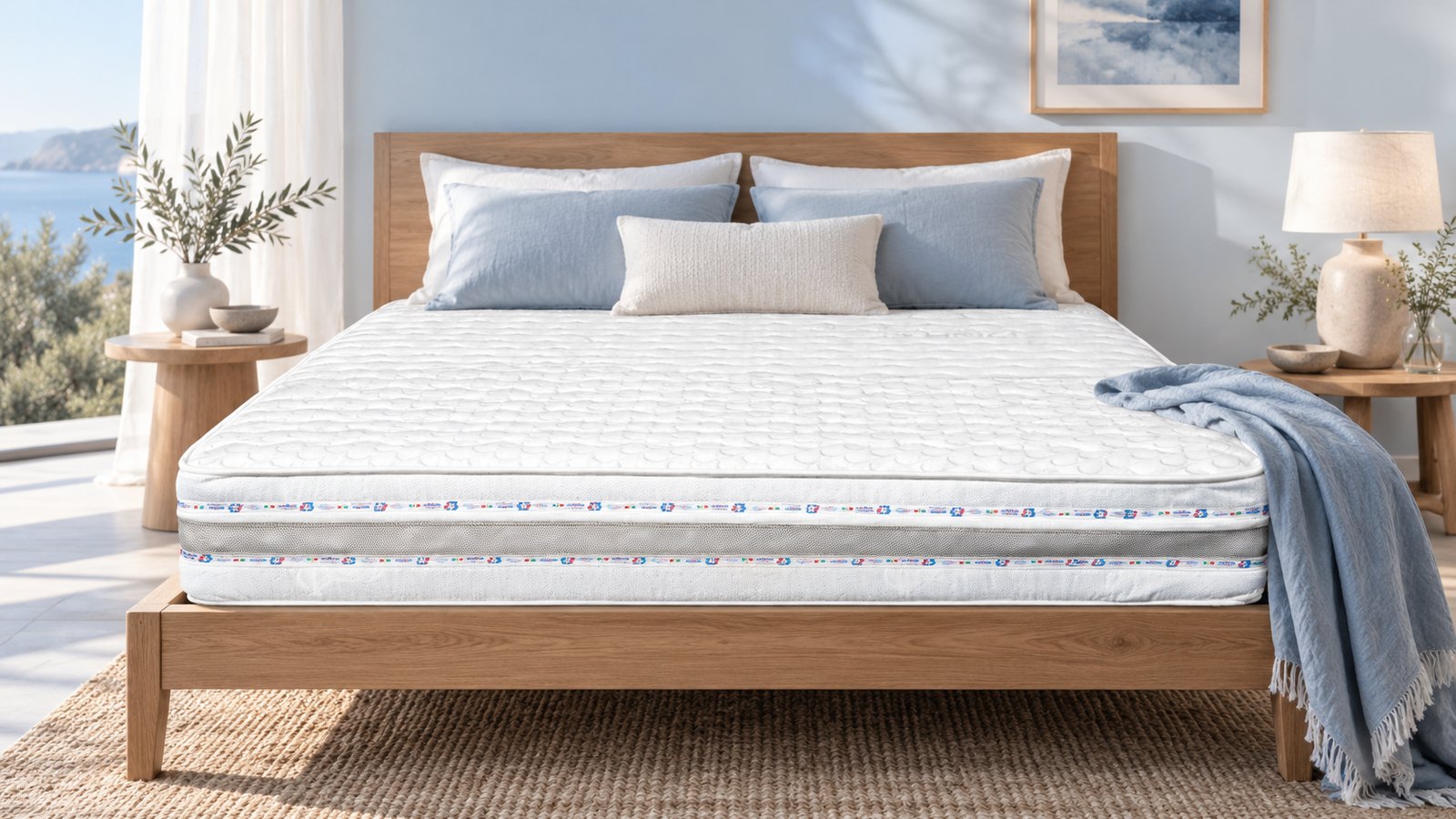
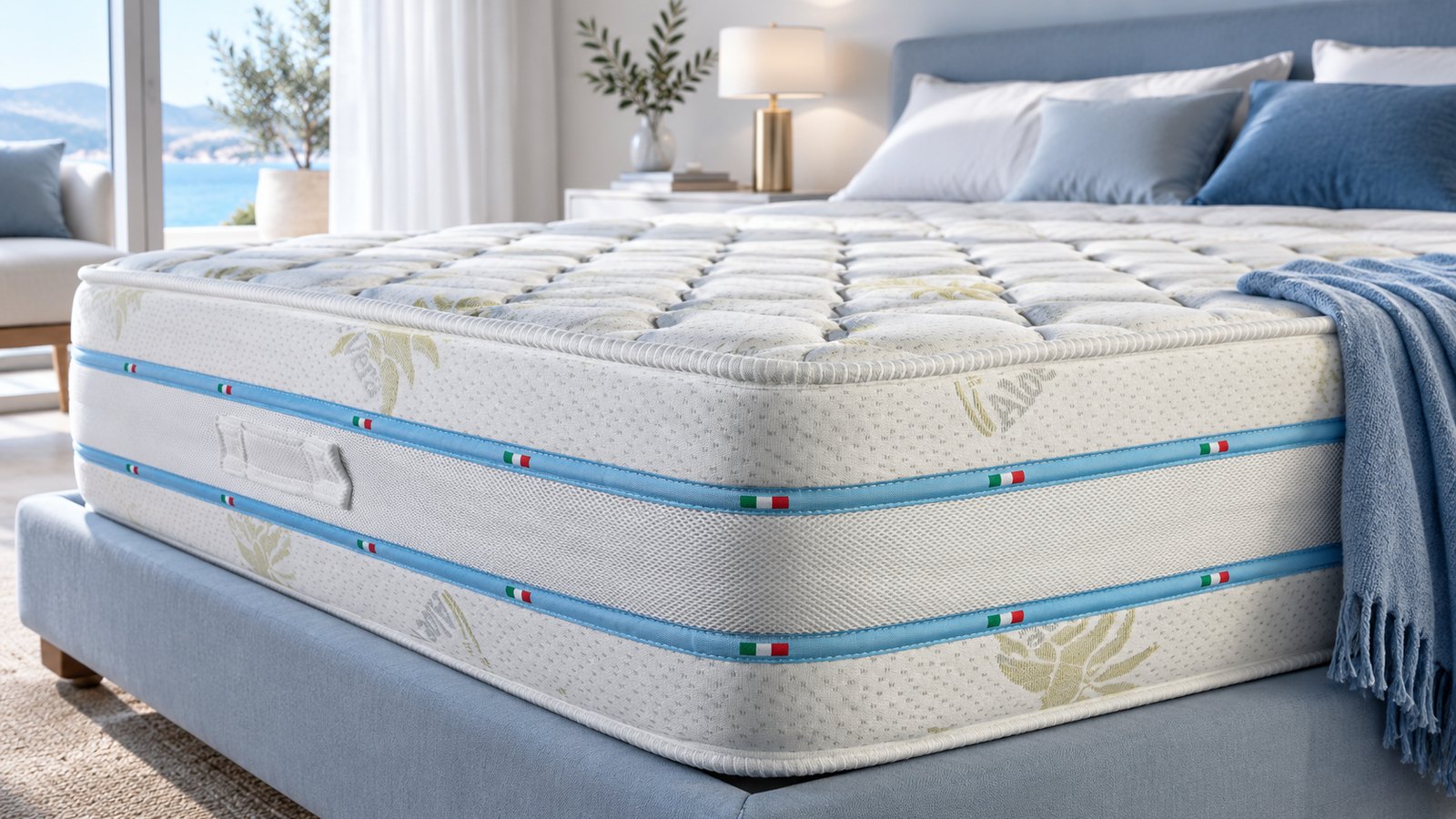
The answer is layered comfort with differentiated support, cradling the shoulders while holding the lumbar zone without pressure points. It is the principle behind Luxury Relax mattresses: thermo-sensitive memory foam over a high-density Confortgel base, with heights between 24 and 30 centimetres depending on the model. The top-of-range Athena starts at 990 euros (list price 1,950 euros), the Platinum at 699 euros.
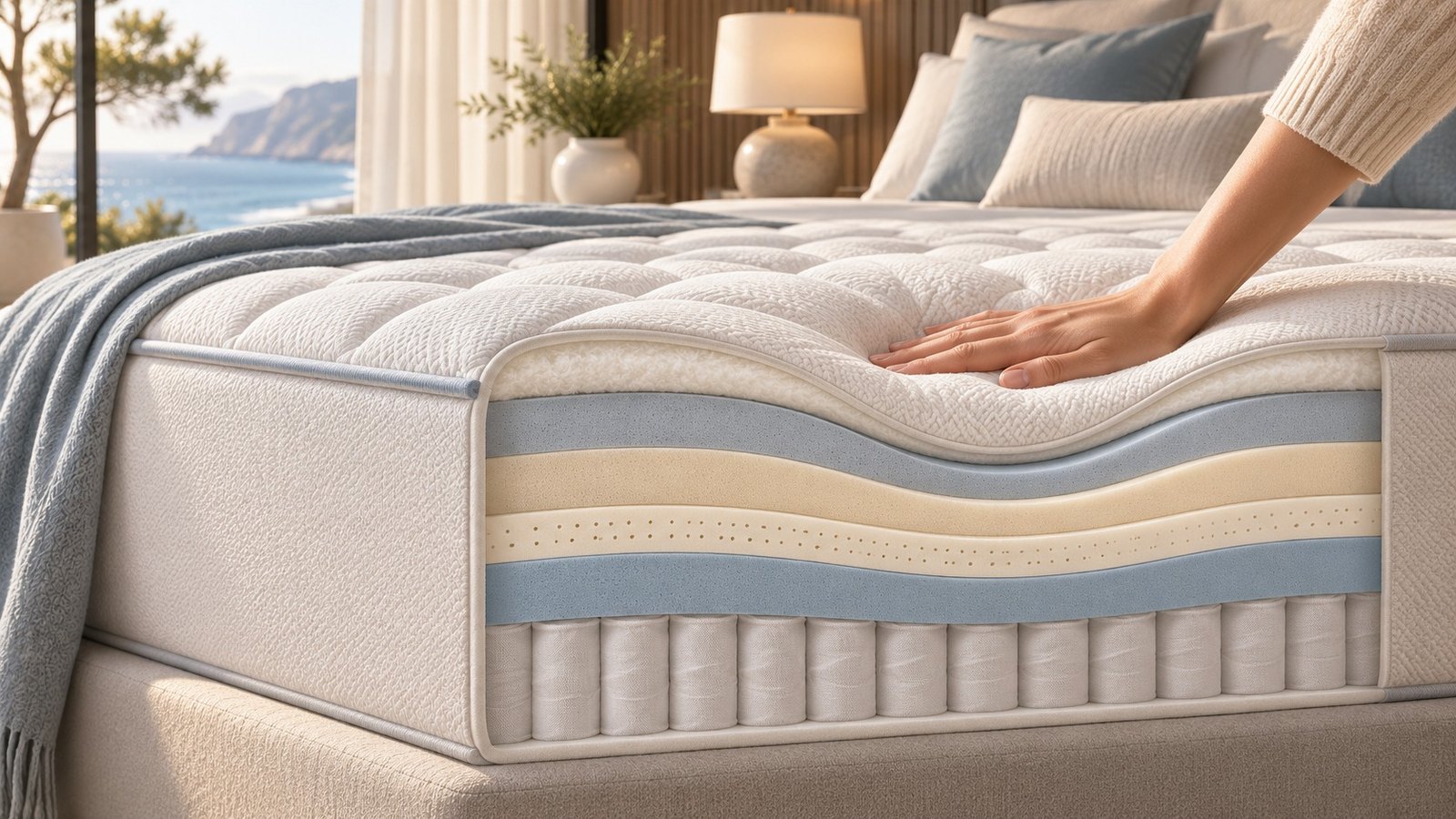
Before changing mattresses it pays to read the firm or soft mattress guide: many "back problems" are really firmness problems. And if pain is already present, the right mattress helps but never replaces medical advice.
You can catch up on lost sleep at the weekend
Sleeping late on Sunday returns some energy, but it does not wipe the debt built up during the week. Recovery studies show cognitive performance improves only partially: the body rests, while the body clock drifts.
The mechanism is called social jet lag: you go to bed at 2am on Saturday, sleep until noon on Sunday, and by Monday morning your rhythm is still in another time zone. The result is a heavy Monday despite ten hours in bed. A second, invisible consequence lands on Sunday night: you cannot fall asleep at the right hour and the cycle starts again.
The strategy that works is a boring one: the same wake time seven days a week, with at most an hour of drift at the weekend. If a short night is unavoidable, a 20-minute nap before 4pm helps without stealing from the next night. When early waking becomes a daily problem, the napping guide explains how to handle it without ruining the night.
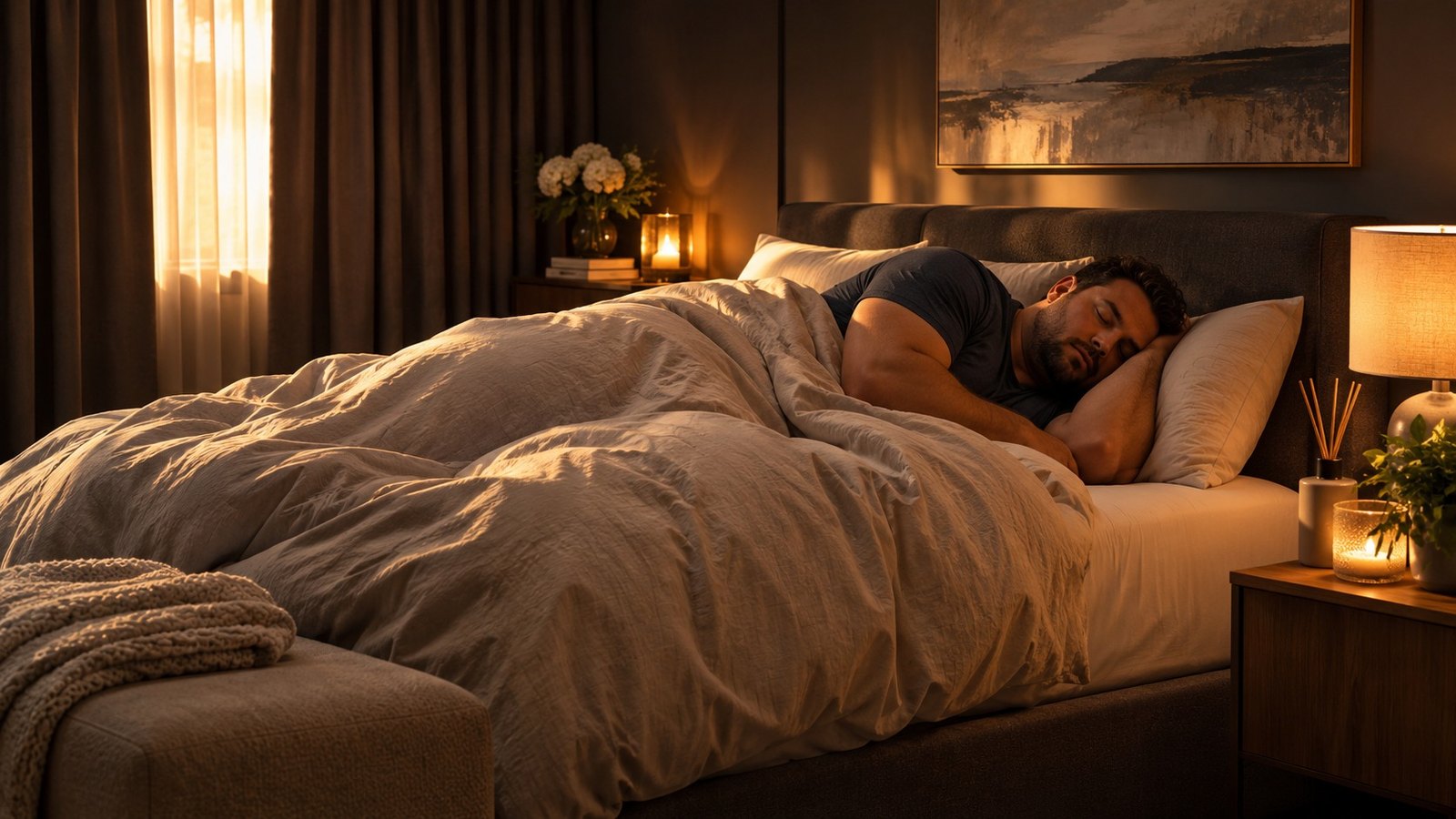
Sleep is a habit before it is a resource to recover: regularity beats any extreme catch-up.
A nightcap helps you sleep
Alcohol sends you off faster, and that is where the myth comes from. In reality it shortens sleep onset but disrupts the entire second half of the night: it suppresses REM sleep, multiplies awakenings between 3 and 5am, and lowers rest quality even when the duration looks fine on paper.
People who drink regularly in the evening build tolerance: larger amounts are needed for the same effect, and a habit can quietly turn into a dependence on the nightcap. The same criticism applies to "miraculous" herbal remedies. Chamomile and valerian show modest, highly variable effects: they can work as a ritual, never as a cure.
If the evening needs a signal to slow down, a routine without screens and with low light does more than any glass. Our sleep and alcohol guide goes through what happens night by night when you drink before bed. And when the real problem is falling asleep, mattress quality makes the difference a nightcap promises and never delivers.

Counting sheep and other overrated tricks
Counting sheep is the most cited technique in the world and one of the least supported by evidence. The laboratory experiment that made it famous tested three groups: the sheep counters did not fall asleep any sooner than the rest. The task distracts too little to detach you from your thoughts and just enough to keep the brain engaged.
What works is the opposite of perseverance: if sleep has not come after about 20 minutes in bed, get up, move to another room under dim light and return to bed at the first sign of drowsiness. It is the principle of stimulus control: the bed has to become again the place where you sleep, not the place where you fight.
Room conditions count for more: temperature around 18-20 degrees, full darkness, silence or steady background sound. So do evening habits, as our evening rituals guide explains: the same sequence of gestures repeated every night beats any emergency trick.
One last warning: be sceptical of products sold as revolutionary. If a promise looks too simple to be true, it usually is.
Waking up at night does not mean you sleep badly
People who wake up once a night often assume something is wrong. In truth, sleep runs in cycles of about 90 minutes, and between cycles the brain passes through brief, normal phases of wakefulness. In most cases you never remember them: you turn over and drift back.
Remembering every awakening usually points to lighter sleep, or to anxious attention on your own rest. The more often you ask yourself whether you are sleeping well, the more alert the brain stays. It is the same mechanism that makes clock-watching at night worse than the sleeplessness itself.
The signal not to ignore is a different one: frequent awakenings with trouble falling back asleep for more than three weeks, or loud snoring with breathing pauses. Those cases need medical advice, not a new pillow. For awakenings linked to temperature and noise, the night-time awakenings guide lists the practical causes to check before raising the alarm.
Sleep quality is measured on the following day, not by how many awakenings you remember.
How to spot trustworthy sleep advice
The web is full of techniques presented as definitive. Three signals help you tell them apart: anyone promising immediate, universal results is almost always wrong; anyone selling the miracle product while talking has a conflict of interest; anyone who never cites sources or numbers is reporting opinions.
Trustworthy advice is almost boring: steady schedules, daylight in the morning, a cool and dark bedroom, a mattress matched to your weight and sleeping position. These are the recommendations that stayed consistent across decades of studies, not the novelty of the month.
Before spending money, keep a sleep diary for two weeks: bedtime, awakenings, perceived quality in the morning. Two weeks of data are worth more than ten articles read in a hurry. And when you choose a mattress, a real overnight trial is the only test that counts: Luxury Relax offers 10 trial nights with a guaranteed refund, 10 years of warranty and free delivery within 24-48 hours across Italy.
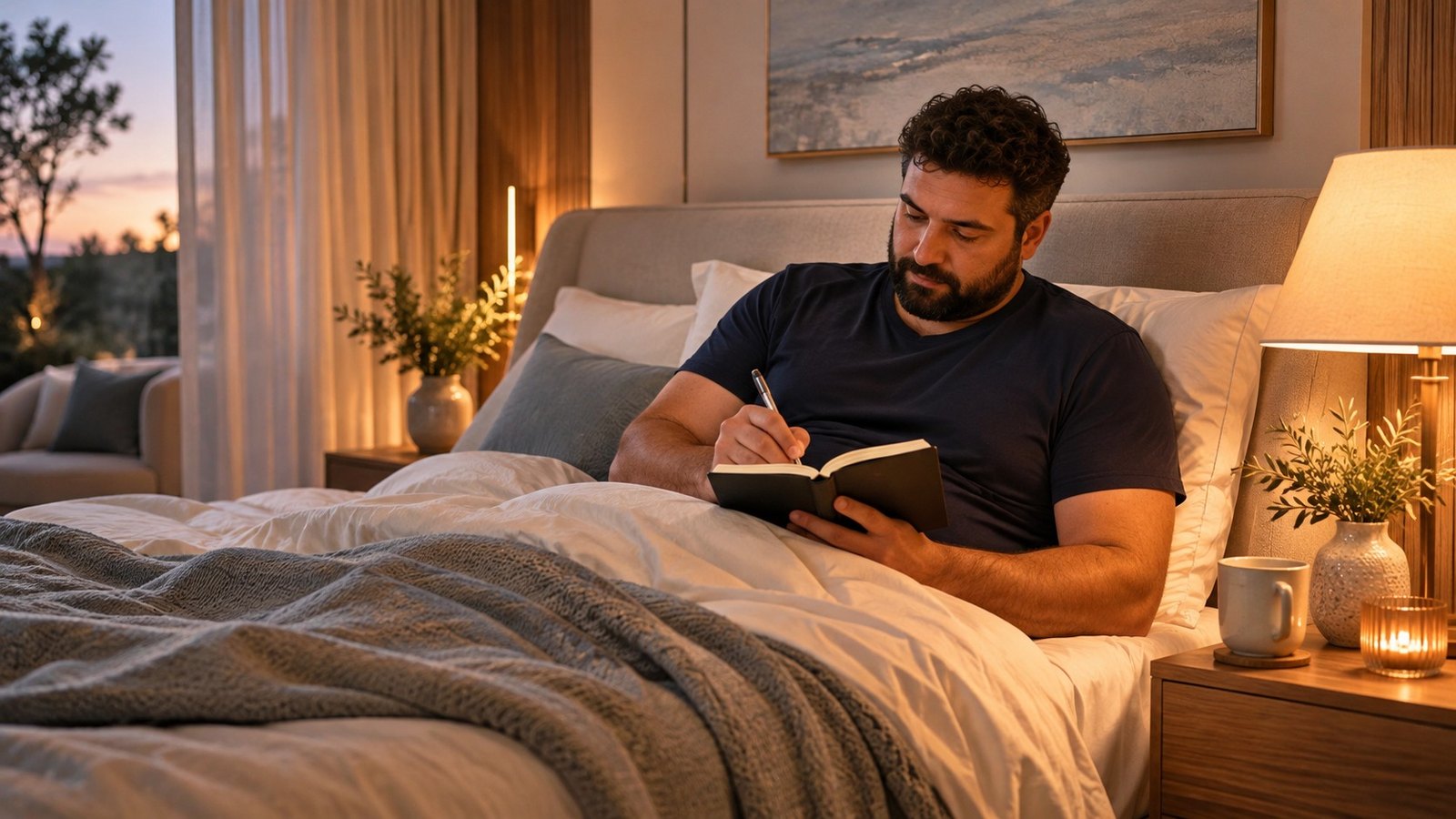
The right mattress shows in how you wake up, not in the spec sheet. To compare the available models, the mattress buying guide starts from your weight and sleeping position. And if you would rather talk to a person, the Luxury Relax team answers every day: you can request a free consultation through the form, with no obligation.
Frequently asked questions
How many hours of sleep does an adult really need? Guidelines point to a range of 7-9 hours, but the exact figure is individual. Consistency of schedule and the quality of your morning matter more: if you feel no sudden sleepiness during the day, your duration is adequate. Anyone sleeping steadily less than six hours for weeks on end should review their habits.
Is it true that a firm mattress is good for your back? No, not necessarily. Support depends on the mattress keeping your spine aligned, not on hardness. A surface that is too hard creates pressure points on shoulders and hips; layered comfort with differentiated support, as in Luxury Relax mattresses, follows the body without sagging.
Can lost sleep be recovered at the weekend? Only partially. A later wake time returns energy but shifts the biological clock, producing what researchers call social jet lag. Better to keep the same wake time every day and allow at most an hour of drift at the weekend.
Does a glass of wine in the evening help you sleep? It shortens sleep onset but damages the second half of the night: less REM sleep, more awakenings between 3 and 5am. With regular use a larger amount is needed for the same effect, so it is a solution that gets worse over time.
When does a sleep problem need medical advice? When frequent awakenings with difficulty falling back asleep last more than three weeks, when snoring includes breathing pauses, or when daytime sleepiness compromises work and driving. In these cases, see a doctor before making any purchase.
How do I choose a mattress that suits the way I sleep? Start from your sleeping position and your weight, then evaluate materials and firmness. Luxury Relax covers every need with five models, from Venere at 149 euros to Athena at 990 euros, all with 10 trial nights and 10 years of warranty: the full comparison is in our review, and the consultation is free.
Do natural remedies or supplements help with sleep? In most cases, no. Magnesium, chamomile, valerian and melatonin show modest effects and mixed study results: they may shift sleep onset by a few minutes but do not solve an underlying problem. Before any supplement, set the three levers that always work: steady schedules, a cool and dark bedroom, a mattress that fits your body. If the problem persists after two weeks of good habits, the next step is medical advice, not the pharmacy shelf. A remedy makes sense when it supports a real change, never when it replaces one: no pill compensates for a mattress that lets your back sink night after night.
How long does it take to feel the benefits of a new mattress? The first nights often feel different simply because the surface changes; the body needs one to three weeks to adapt to a new support. The meaningful test is the morning after week two: if you wake with less stiffness and fewer night-time movements, the choice was right. This is exactly what the 10 trial nights offered by Luxury Relax are designed for: 10 nights to judge the mattress in your own bedroom, with a refund if you are not convinced, 10 years of warranty and free delivery within 24-48 hours.
Ideal Mattress Configurator in 3 Clicks
Answer 3 questions and see which Luxury Relax model fits your sleep best.
Step 1 of 3
Images from this guide


How many hours of sleep does an adult really need?
Guidelines point to a range of 7-9 hours, but the exact figure is individual. Consistency of schedule and the quality of your morning matter more: if you feel no sudden sleepiness during the day, your duration is adequate. Anyone sleeping steadily less than six hours for weeks on end should review their habits.
Is it true that a firm mattress is good for your back?
No, not necessarily. Support depends on the mattress keeping your spine aligned, not on hardness. A surface that is too hard creates pressure points on shoulders and hips; layered comfort with differentiated support, as in Luxury Relax mattresses, follows the body without sagging.
Can lost sleep be recovered at the weekend?
Only partially. A later wake time returns energy but shifts the biological clock, producing what researchers call social jet lag. Better to keep the same wake time every day and allow at most an hour of drift at the weekend.
Does a glass of wine in the evening help you sleep?
It shortens sleep onset but damages the second half of the night: less REM sleep, more awakenings between 3 and 5am. With regular use a larger amount is needed for the same effect, so it is a solution that gets worse over time.
When does a sleep problem need medical advice?
When frequent awakenings with difficulty falling back asleep last more than three weeks, when snoring includes breathing pauses, or when daytime sleepiness compromises work and driving. In these cases, see a doctor before making any purchase.
How do I choose a mattress that suits the way I sleep?
Start from your sleeping position and your weight, then evaluate materials and firmness. Luxury Relax covers every need with five models, from Venere at 149 euros to Athena at 990 euros, all with 10 trial nights and 10 years of warranty: the full comparison is in our review, and the consultation is free.
Do natural remedies or supplements help with sleep?
In most cases, no. Magnesium, chamomile, valerian and melatonin show modest effects and mixed study results: they may shift sleep onset by a few minutes but do not solve an underlying problem. Before any supplement, set the three levers that always work: steady schedules, a cool and dark bedroom, a mattress that fits your body. If the problem persists after two weeks of good habits, the next step is medical advice, not the pharmacy shelf. A remedy makes sense when it supports a real change, never when it replaces one: no pill compensates for a mattress that lets your back sink night after night.
How long does it take to feel the benefits of a new mattress?
The first nights often feel different simply because the surface changes; the body needs one to three weeks to adapt to a new support. The meaningful test is the morning after week two: if you wake with less stiffness and fewer night-time movements, the choice was right. This is exactly what the 10 trial nights offered by Luxury Relax are designed for: 10 nights to judge the mattress in your own bedroom, with a refund if you are not convinced, 10 years of warranty and free delivery within 24-48 hours.
Request your free consultation
Fill in the form: a Luxury Relax expert will get back to you with the proposal that suits you best.
What Luxury Relax owners say
On my dad's advice, already a customer, I went to Luxury Relax to buy a mattress. Very comfortable and ergonomic products.
Quality products, helpful and knowledgeable staff. Highly recommended to anyone looking for a real mattress, not a brand name.
I got rid of the back pain that had followed me for years. The right mattress changes your days.
Come visit us
Luxury Relax Materassi
Via San Rocco, 42 — 20831 Seregno (Monza e della Brianza), Italia0362 222407 · info@luxuryrelax.it · WhatsApp 339 4797213
Open in Google Maps