Sleep in winter: how to sleep well on cold nights
Request your free consultation
Fill in the form: a Luxury Relax expert will get back to you with the proposal that suits you best.
From December to February sleep changes its rhythm. Evenings stretch out, the heating stays on until midnight and the bedroom becomes the coldest room in the flat. For many people the result is always the same: they fall asleep early, then lie awake between three and five in the morning, when the body looks for warmth and the blanket is no longer enough.
Winter does not take quality away from rest: it moves the problem to other factors. Low temperatures, dry air, short daylight and holidays that shift bedtimes all act at once, and one neglected detail is enough to break the night. Anyone who prepares the room, the bedding and the sleeping surface before November reaches the cold months with sleep that is already stable.
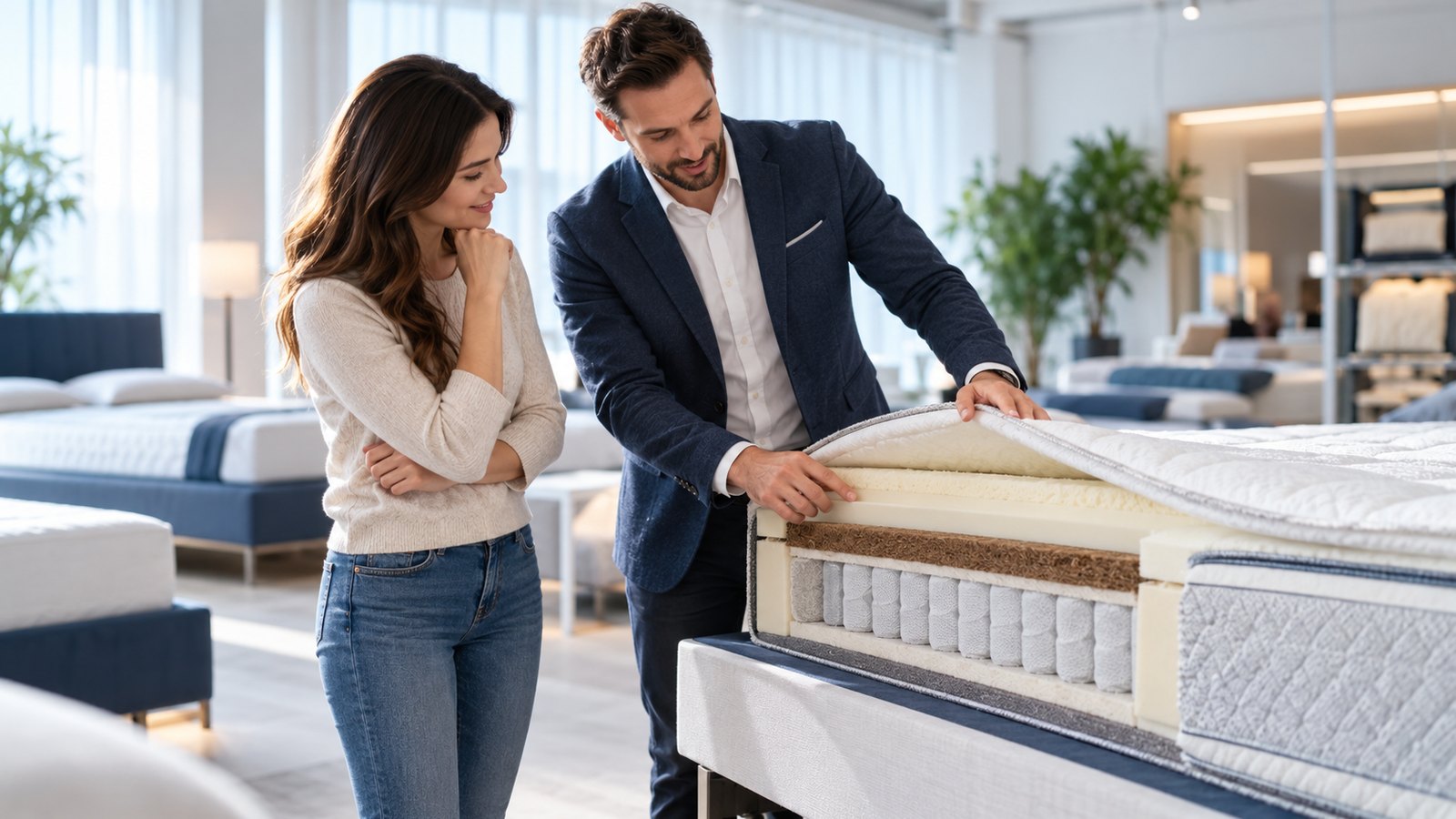
The surface you sleep on remains the most important factor, because it is the only one working for eight hours straight. Our Luxury Relax mattress review explains how an Italian mattress with thermosensitive memory foam and a high-density Confortgel base keeps support steady even when the temperature in the bedroom drops.
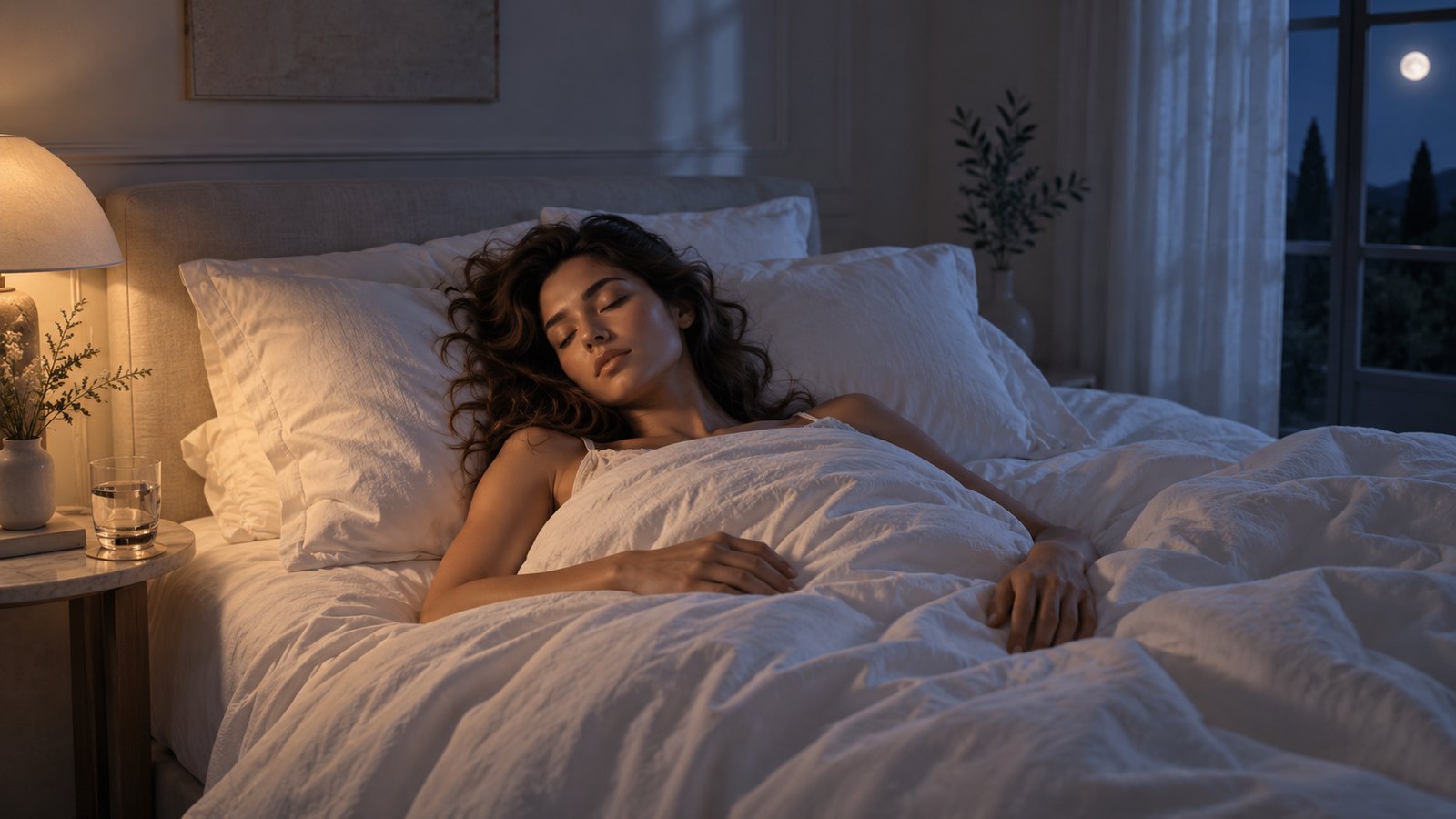
Why cold nights break sleep
Sleep starts with a cooling down. To fall asleep the body must release heat and lower its internal temperature slightly: when this happens smoothly, drifting off takes a few minutes. In a cold bedroom the process starts earlier than expected, but anyone getting into bed with frozen feet stays awake, because the surface gives no warmth back.
The second factor is light. In December the sun rises late and sets early, and the brain receives fewer daytime signals exactly when it needs them. The result is a rhythm that slides later: people stay up until late and struggle to get up in the morning. Twenty minutes of natural light in the early hours are worth more than any bedside lamp.
Dry air is the third element. Heating lowers the humidity of indoor air and dry mucous membranes cause short awakenings, often forgotten by the next morning. A hygrometer costing a few pounds and ten minutes of ventilation a day are enough to keep the problem under control.
Then the calendar adds its own effect. Dinners out, holidays and trips between late December and early January push the bedtime one or two hours later for weeks in a row, with an effect similar to jet lag. Anyone who wants to protect their sleep treats the holidays as a short exception, not as a new routine.
Sleep architecture in winter deserves one clarification. The first hours of the night are the deepest, when the body recovers from the day, and they suffer most when the room is wrong. An awakening between three and five in the morning, typical of the cold months, cuts the second half of the night, the one rich in dreams. That is why a winter night can feel long and still leave you tired.
The body looks for warmth on its own. When feet are cold the blood vessels tighten to protect the organs, the internal temperature does not drop as it should and falling asleep slips away. A warm bath before bed, or light socks worn only to fall asleep, solve in ten minutes a problem that otherwise costs an hour of wakefulness.
The right bedroom temperature
The ideal winter bedroom is cooler than it sounds. Between eighteen and nineteen degrees is the range where most people fall asleep without effort, while a room heated like the living room interrupts the body's cooling and lengthens the time it takes to drift off.
The simplest method is to air the room before going to bed. Ten minutes with the window open renew the air and the room returns to the right temperature within minutes, without the cost of heating running all night.
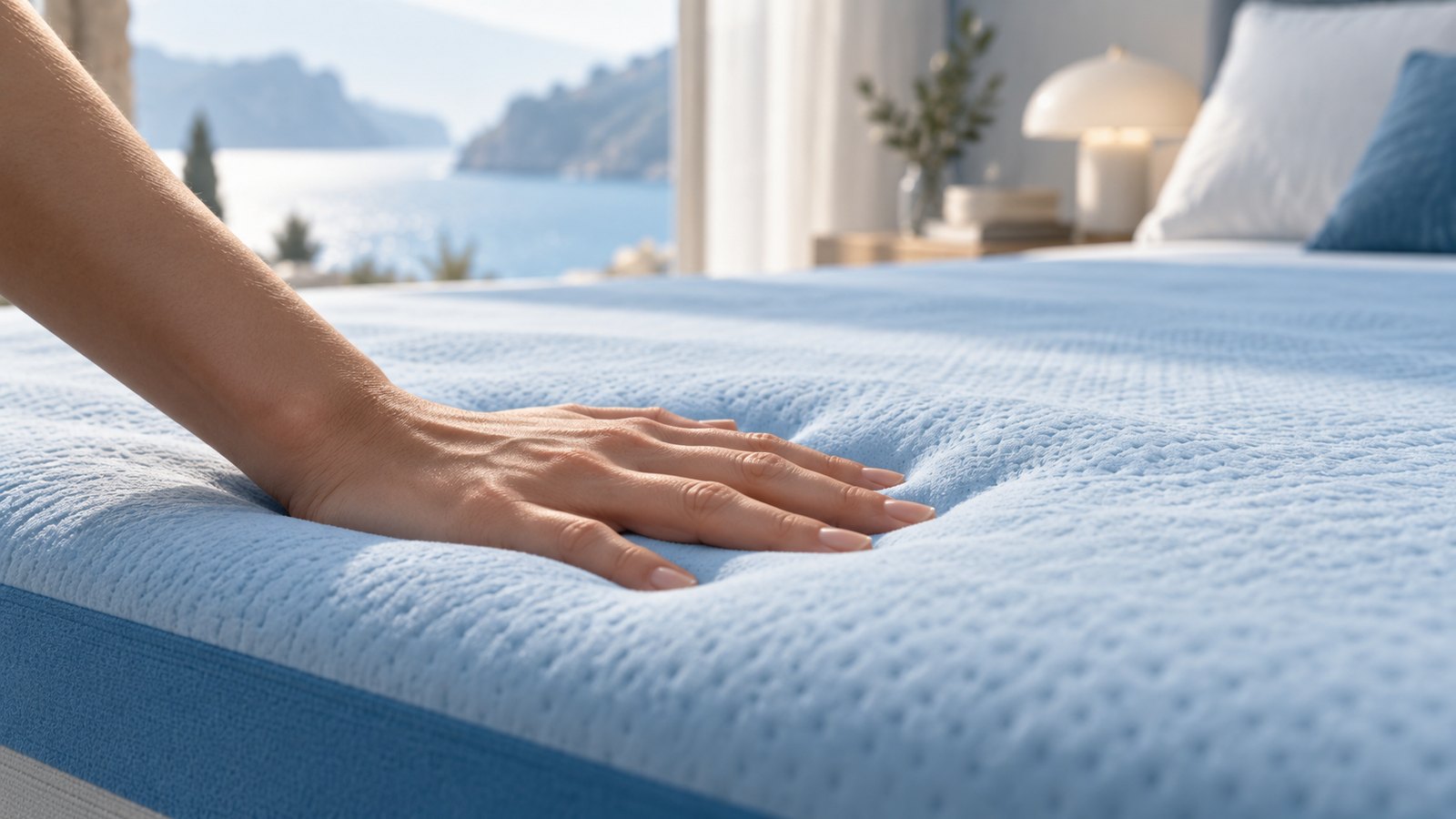
Humidity matters as much as temperature. Values around 50 per cent avoid both the dry air of heating and the condensation that in damp months encourages mould and dust mites. A room humidifier, or even a bowl of water on the radiator, solves the problem without structural work.
Watch where the bed stands. The bed should stay away from windows and outside walls: a cold draught on head and shoulders is a classic cause of night-time waking, and it disappears by moving the frame one metre.
A frame next to the radiator also deserves attention. It receives direct heat and dries the air around the pillow, while a damp, unventilated room turns the mattress into a trap for dust mites. A hygrometer, ten minutes of airing a day and the mattress washable cover are three simple countermeasures that work together.
Layers, textiles and the sleeping surface
The winter rule is layers. A light duvet and a medium blanket let you add or remove heat without waking fully, while a single heavy duvet forces a choice between sweating and freezing. The same logic applies to pyjamas: natural fibres and a loose fit handle night-time moisture better than a heavy set.
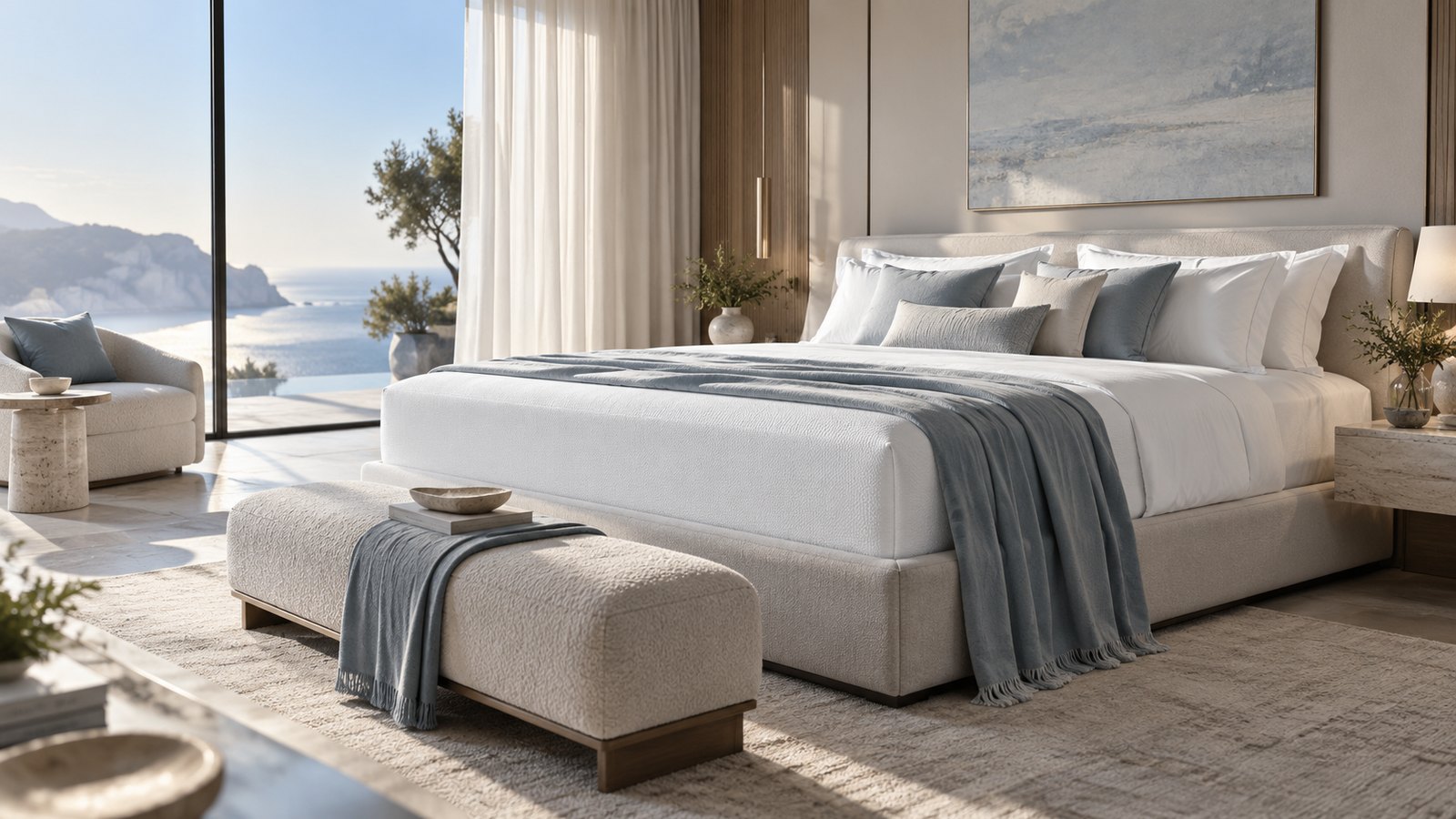
The mattress cover is the layer closest to the body for eight hours a night, and in winter it holds more heat than expected. Luxury Relax mattresses use a washable Aloe Vera cover, anti-mite and hypoallergenic, which comes off and goes in the wash: at the end of the season the surface is as new. The Aloe Vera mattress protector starts at 39 euro, while the full Aloe Vera kit costs 57 euro.
Four perimeter handles look like a detail, and instead they are how you rotate the mattress regularly. A surface turned every three months keeps support even and does not give way on the side carrying more weight, a concrete risk when two people share the bed. The breathable 3D perimeter band finishes the job by letting air move even under heavy duvets.
The right mattress when the temperature drops
Thermosensitive memory foam changes consistency with the heat of the body. On cold nights the first minutes on the surface feel firmer, then the layer adapts and spreads the weight: this is what lets you feel support straight away instead of lying still just to get warm.
Below the memory foam works the high-density Confortgel base, which holds weight without deforming over time. Differential support holds head, shoulders, hips and legs differently, as needed when you sleep on your side or change position several times a night. Heights between 24 and 30 cm, depending on the model, complete a build designed to last.
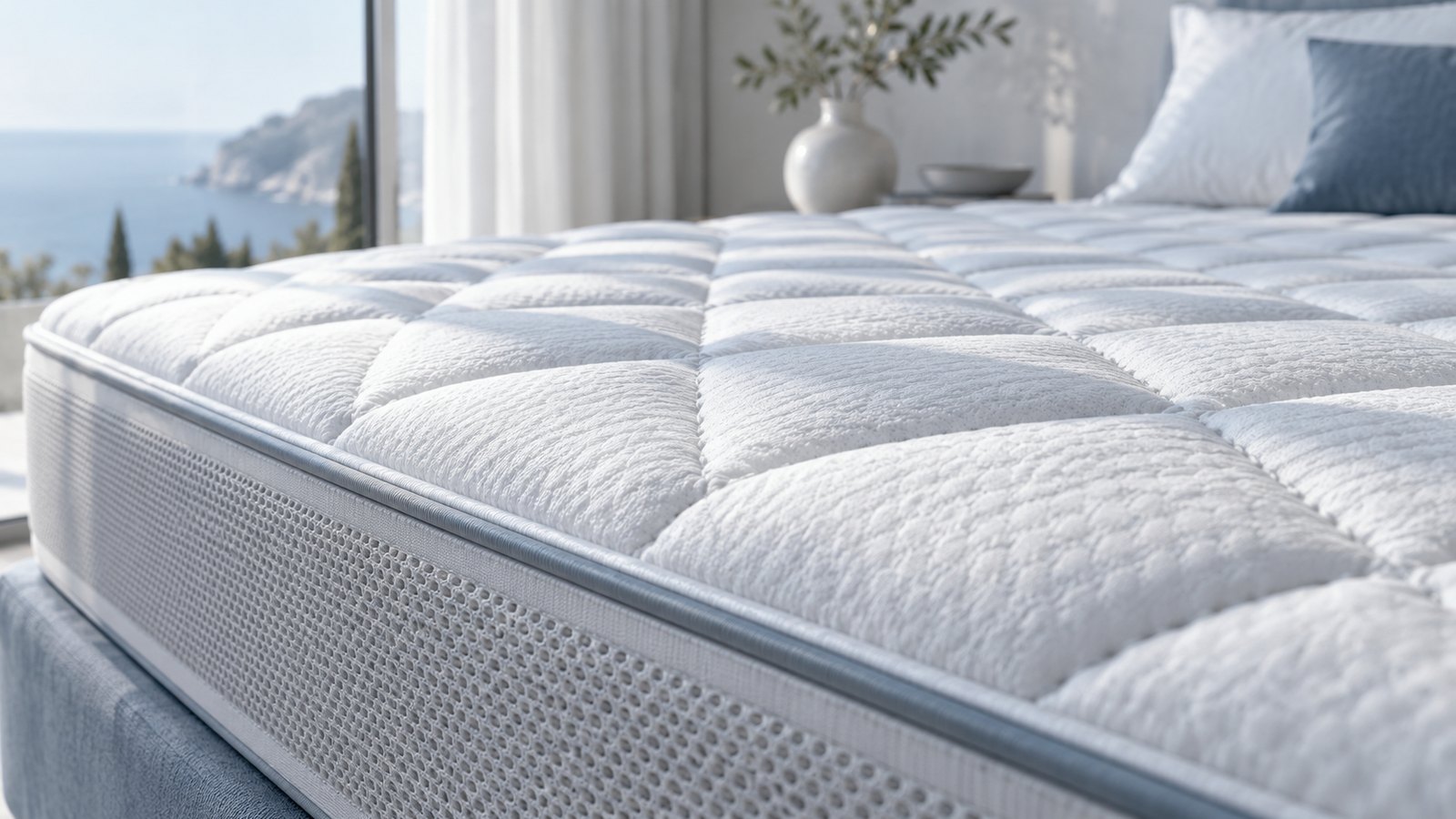
In the comparison between Luxury Relax models the verdict is clear: Athena Mattress and Platinum Mattress win on support, Gold Mattress has the best quality-price ratio in the mid range, and Elisir Mattress and Venere Mattress keep the same build standard on tight budgets.
| Model | From | List price | Best for |
|---|---|---|---|
| Athena Mattress | 990 euro | 1.950 euro | demanding backs and heavier bodies |
| Platinum Mattress | 699 euro | 1.999 euro | couples and everyday use |
| Gold Mattress | 399 euro | 749 euro | memory comfort at a mid-range price |
| Elisir Mattress | 179 euro | 500 euro | guest rooms and tight budgets |
| Venere Mattress | 149 euro | 149 euro | second homes and students |
Winter is also the season when the bed itself gets renewed. The Kit Notte Elisir combines mattress, bed frame and pillow from 899 euro, while the Letto Contenitore storage bed costs 899 euro and takes the place of a wardrobe in small flats. Both keep the same mattress construction, so the sleeping surface does not change with the furniture.
All models share the same build: thermosensitive memory foam, high-density Confortgel base, washable Aloe Vera cover, breathable 3D perimeter band and four handles. The warranty is 10 years, the trial is 10 nights with your money back if the bed does not convince, and delivery is free across Italy, islands included, in 24 to 48 hours. Payment is on delivery or by card, and custom sizes cover non-standard beds and alcoves.
For memory foam details there is the best memory foam mattress guide, while choosing the right firmness calls for the firm or soft mattress comparison. The model depends on body weight, sleeping position and bed size: this is why Luxury Relax offers free consultation with its experts, in the Seregno showroom at Via San Rocco 42 or on 0362 222407. Request the free consultation with your weight and bed measurements: the answer arrives on the right model.
Light, movement and routine in the short months
Morning daylight is the most powerful regulator of the sleep-wake rhythm. Twenty minutes outdoors between eight and ten give the brain the signal that the day has started, and in the evening tiredness arrives at the right hour. In the months when you leave work in the dark, a high-intensity table lamp kept on through dinner helps hold the rhythm.
Movement helps deep sleep when it arrives at the right time. A brisk thirty-minute walk is worth more than an hour in the gym at ten at night, which leaves the body too stimulated to drift off. The ideal is to finish exercise at least three hours before bed.
A light dinner and coffee only before noon are two rules worth double in winter, when evenings get longer and the after-dinner coffee becomes tempting. Alcohol deserves a note: it helps you fall asleep and then breaks the second half of the night, the hours between three and six.
Timing remains the simplest lever. Going to bed and getting up at the same hour, even at weekends, keeps the rhythm stable without effort, and the afternoon nap should stay under twenty minutes. Last detail: complete darkness and quiet, with blackout curtains and the phone in another room.
One practical point for the cold months: the bed must fit the room before the mattress arrives. Luxury Relax builds custom sizes for alcoves and odd frames, and four perimeter handles make positioning easy even up narrow stairs. Measuring twice before ordering costs nothing and avoids a mattress stuck on the landing.
Frequently asked questions about winter sleep
What is the ideal bedroom temperature in winter? Between eighteen and nineteen degrees for most people, with the bed away from windows and outside walls. Airing the room for ten minutes before bed is enough instead of leaving the heating on all night. A hygrometer helps keep humidity around 50 per cent.
Is a heavy duvet better than several bedding layers? Several light layers respond better to the temperature shifts of the night. A light duvet and a medium blanket can be adjusted without waking fully, while a single heavy duvet forces a choice between sweating and freezing. The same goes for pyjamas, better in natural fibres.
Does memory foam suffer from the cold? No, it only feels different at the start. The thermosensitive memory foam in Luxury Relax mattresses is firmer in the first minutes of a cold bedroom, then adapts to body heat and spreads the weight. Below it, the high-density Confortgel base holds support all night.
How does dry heating air change sleep? Dry air irritates the mucous membranes and causes short awakenings, often forgotten by morning. Keeping humidity around 50 per cent and airing ten minutes a day solves it. The washable Aloe Vera mattress cover helps keep the sleeping surface clean.
How much do mattress and base matter on cold nights? As much as bedroom temperature, because they decide how much heat stays between body and surface. Differential support and the breathable 3D perimeter band handle the microclimate of the bed even under heavy duvets. Four perimeter handles let you rotate the mattress and keep support even.
How can I try a Luxury Relax mattress? Order online at luxuryrelax.it or at the Seregno showroom in Via San Rocco 42, then sleep on it for 10 nights at home: if it does not convince you, the money comes back. Delivery is free across Italy, islands included, in 24 to 48 hours, and the warranty is 10 years. For the right model there is a free consultation on 0362 222407 or through the contact form.
What is the ideal bedroom temperature in winter?
Between eighteen and nineteen degrees for most people, with the bed away from windows and outside walls. Airing the room for ten minutes before bed is enough instead of leaving the heating on all night. A hygrometer helps keep humidity around 50 per cent.
Is a heavy duvet better than several bedding layers?
Several light layers respond better to the temperature shifts of the night. A light duvet and a medium blanket can be adjusted without waking fully, while a single heavy duvet forces a choice between sweating and freezing. The same goes for pyjamas, better in natural fibres.
Does memory foam suffer from the cold?
No, it only feels different at the start. The thermosensitive memory foam in Luxury Relax mattresses is firmer in the first minutes of a cold bedroom, then adapts to body heat and spreads the weight. Below it, the high-density Confortgel base holds support all night.
How does dry heating air change sleep?
Dry air irritates the mucous membranes and causes short awakenings, often forgotten by morning. Keeping humidity around 50 per cent and airing ten minutes a day solves it. The washable Aloe Vera mattress cover helps keep the sleeping surface clean.
How much do mattress and base matter on cold nights?
As much as bedroom temperature, because they decide how much heat stays between body and surface. Differential support and the breathable 3D perimeter band handle the microclimate of the bed even under heavy duvets. Four perimeter handles let you rotate the mattress and keep support even.
How can I try a Luxury Relax mattress?
Order online at luxuryrelax.it or at the Seregno showroom in Via San Rocco 42, then sleep on it for 10 nights at home: if it does not convince you, the money comes back. Delivery is free across Italy, islands included, in 24 to 48 hours, and the warranty is 10 years. For the right model there is a free consultation on 0362 222407 or through the [contact form](key:contatti).
What Luxury Relax owners say
Su consiglio di mio papà già cliente mi sono recato da Luxury Relax per l'acquisto di un materasso. Prodotti molto comodi ed ergonomici.
Prodotti di qualità, personale disponibile e competente. Consigliatissimo a chi cerca un materasso vero, non un nome.
Ho risolto i dolori alla schiena che mi accompagnavano da anni. Il materasso giusto cambia le giornate.
Come visit us
Luxury Relax Materassi
Via San Rocco, 42 — 20831 Seregno (Monza e della Brianza), Italia0362 222407 · info@luxuryrelax.it
Open in Google Maps