Sleep and memory: how rest locks in what you learn
Key facts at a glance
- What to know right away: Sleep and memory: how rest locks in what you learn and why short nights erase what you study. Phases, routines and the right mattress. Free advice.
- Trial, warranty and delivery: 10 trial nights · 10-year warranty · Free delivery 24/48h
- Who it is for: What happens in the brain while you sleep
- What this guide covers: What happens in the brain while you sleep · How sleep locks in what you learn · Sleeping badly: what happens to memory and attention
- How to book or get help: Get your free consultation · 0362 222407 · info@luxuryrelax.it
The night after a day of study counts as much as the hours spent on the books. While you sleep your brain does not switch off: it reviews, selects, puts things in order. What you learn during the day only enters long-term memory if sleep has the time to file it away.
The link between sleep and memory works like a simple pact. New information stabilises during rest, and a broken night scatters it before it turns solid. No miracle claims needed: a few repeated habits are enough, and the brain does the rest.
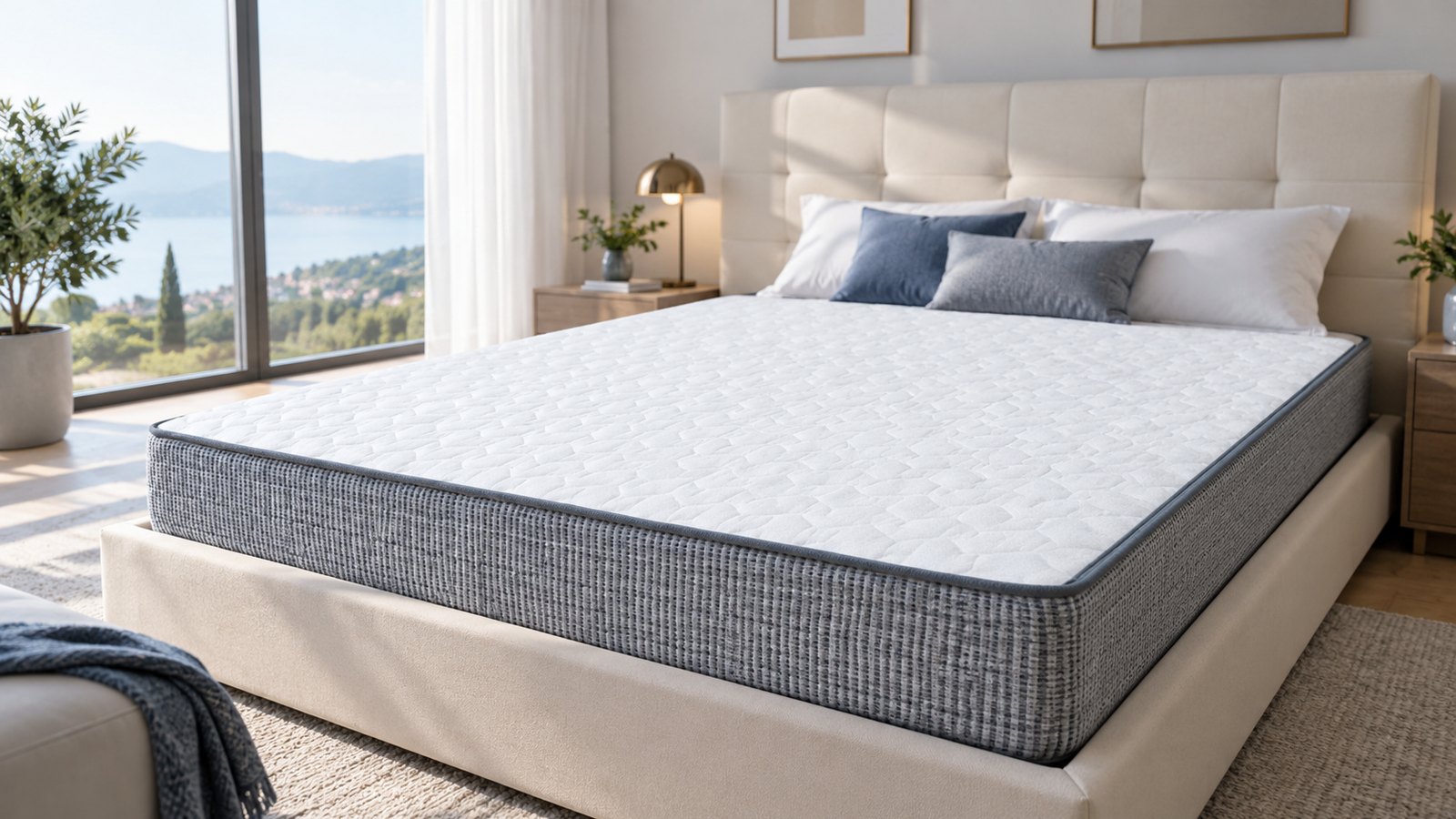
Rest quality also depends on where you sleep. The Luxury Relax review tells the story of an Italian brand that builds mattresses designed for deep sleep: density, breathability, support. This guide looks at what happens night after night, which routines help memory, and why the mattress plays its own part.

What happens in the brain while you sleep
Sleep is not one uniform block. It is made of cycles of about 90 minutes, each with light phases, a deep phase and the REM phase, the one of vivid dreams. Early in the night deep sleep dominates, the part that restores the body; towards morning REM takes over, closer to waking life.
It is during deep sleep that the brain replays the day's neural sequences. A task just learned, a new route, a list of words: the circuits fire again at reduced speed, like a slow-motion replay. That nightly repetition is the consolidation work.
REM adds a second layer. It connects new information with what is already stored, finds similarities, lightens the emotional weight of memories. This is why after a full night a problem looks clearer: the problem has not changed, the way you relate it to everything else has.
All of this needs continuity. An awakening that cuts deep sleep stops the work halfway, and the brain starts again from zero. The stages of sleep explain in detail how they alternate through the night.
How sleep locks in what you learn
Memory consolidation follows a practical rule: learn first, sleep after. Research on the subject shows that a night of sleep after studying is worth more than another hour of revision before bed. The brain works well on material it has already seen, but it truly files it when rest arrives within a few hours.
Two kinds of memory are treated differently by sleep. Memory for facts, the kind that recalls names, dates and concepts, consolidates mainly during deep sleep. Memory for skills, the kind that lets you drive, play or type without thinking, stabilises during REM and the final hours of sleep.
This explains why a short nap helps. Twenty to thirty minutes of rest in the early afternoon brings attention back to morning levels and gives the brain a first filing session. Past thirty minutes you enter deep sleep: waking feels heavier and short-term memory arrives fogged.
The cycle rule also applies to the alarm. Cutting a cycle in half, inside deep sleep, produces that heavy-headed feeling that follows you all morning. Planning seven to eight hours of sleep means giving the brain five complete cycles: the minimum for memory work to have a start and a finish.
Sleeping badly: what happens to memory and attention
A short night does more than make you tired. It reduces the ability to form new memories: information gets in, but struggles to stay. Whoever sleeps little the night before an exam remembers less than someone who studied less and slept more.

The damage is invisible because tiredness becomes the norm. After a few short nights the body gets used to the feeling, but attention tests keep getting worse. Working memory, the kind that holds a phone number while you dial, is the first to give way.
Quality matters as much as length. Eight hours broken by ten awakenings are worth less than six continuous hours: deep sleep does the filing work, and every interruption shortens it. Noise, light, heat, a mattress that does not support you: all of them cut the deep phases.
Recovery exists, but it has a limit. After an all-nighter one or two long nights bring the brain back on track; after weeks of short sleep the debt piles up and working memory stays foggy even at weekends. Better to defend ordinary nights than to hope for recovery.
There is a flip side for difficult memories. Regular sleep lightens the emotional load of the day: the facts remain, the weight drops. It is one reason why people who sleep well handle stress better, as the guide on sleep and stress explains.
Rest and learning: a routine that works
Anyone who studies or works with their head can build a routine that uses sleep instead of fighting it. The first step is defending your schedule: same bedtime and wake time, even at weekends, aligns the internal clock and makes deep sleep more predictable.
The second step is managing the evening. The last two hours before sleep are the ones that count: soft light, screens away, no complicated discussions. The brain does not pass from waking to sleep with a switch, but with a gradual descent that has to be prepared.
The third lesson concerns rest after learning. Better to revise in the evening and sleep right after than to study until dawn: deprivation cancels part of what you gained. Spaced repetition techniques work precisely because they spread study over several nights, each with its own consolidation.
One practical detail concerns study times. Ninety minutes of work followed by a short break beat four straight hours: attention drops, errors rise, and the material reaches sleep already confused. Three clean sessions beat an evening marathon.

Environment and comfort count too. A cool, quiet bedroom and a bed that does not force you to change position every hour protect deep sleep. The sleep quality guide lists the parameters to check, from noise to temperature.
The mattress that protects deep hours
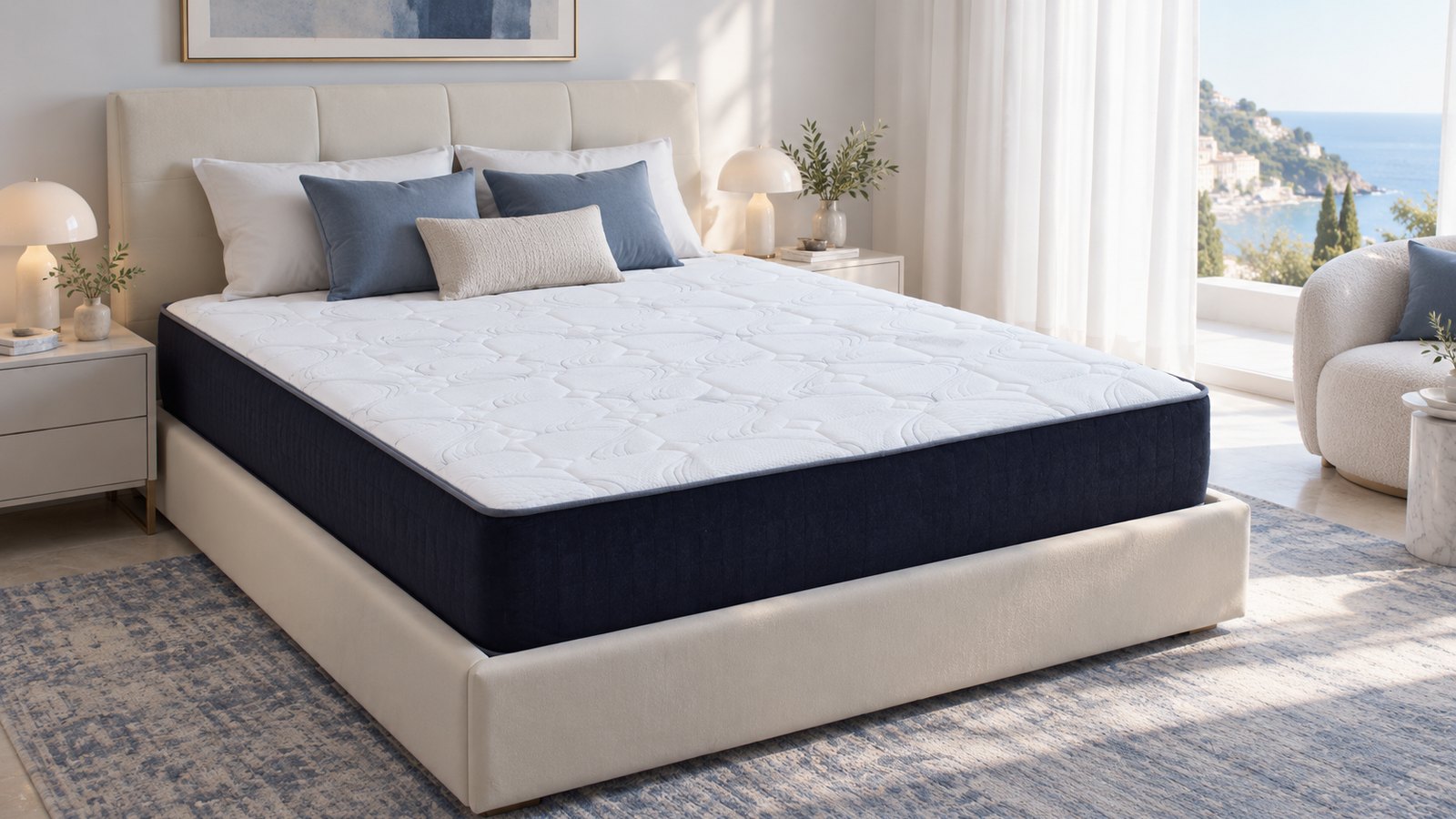
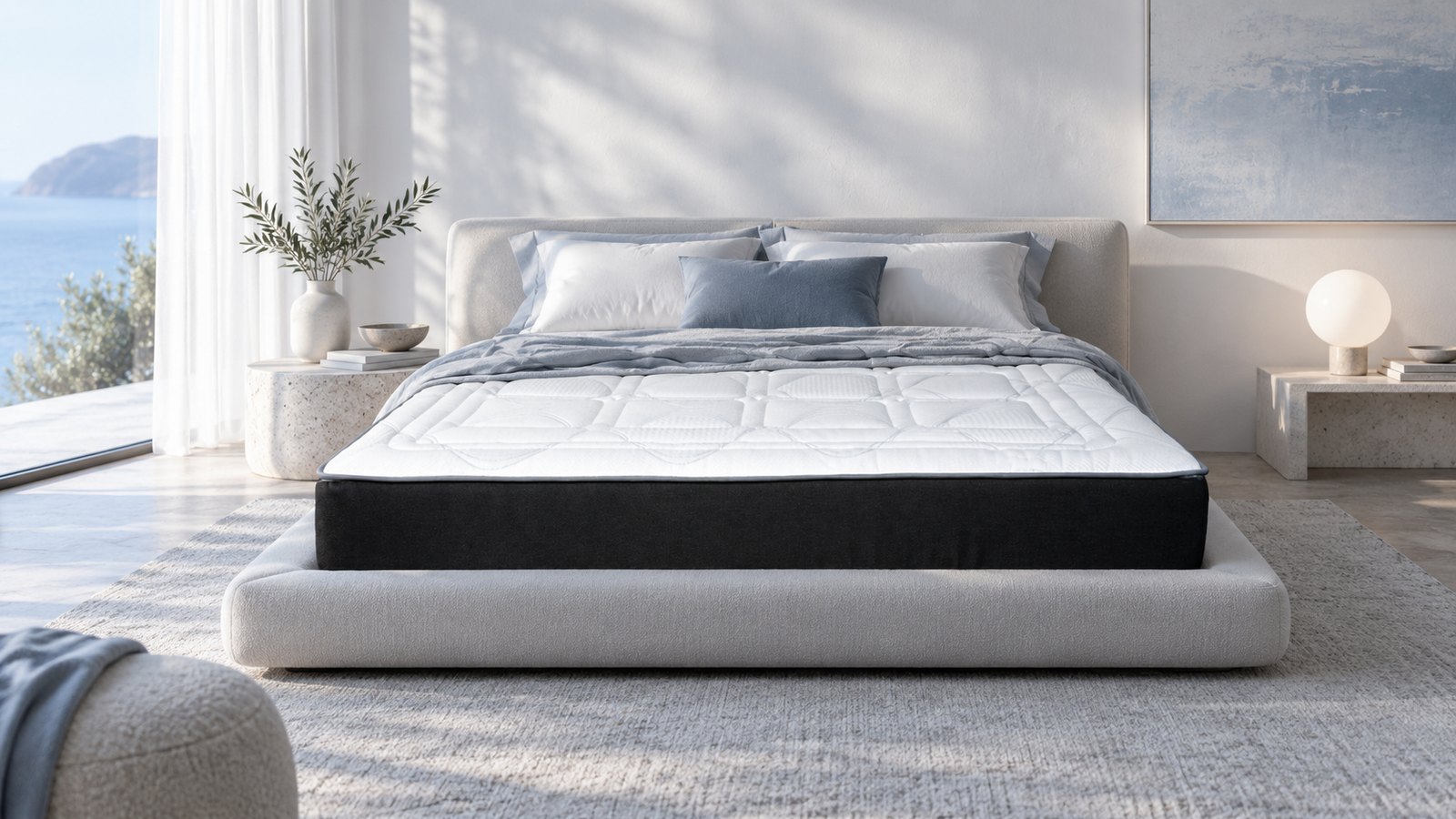
A mattress does not add hours to sleep, but it decides how many of those hours are truly deep. The wrong support forces the body to correct its posture many times per night: every correction is a micro-awakening, and micro-awakenings cut deep sleep.
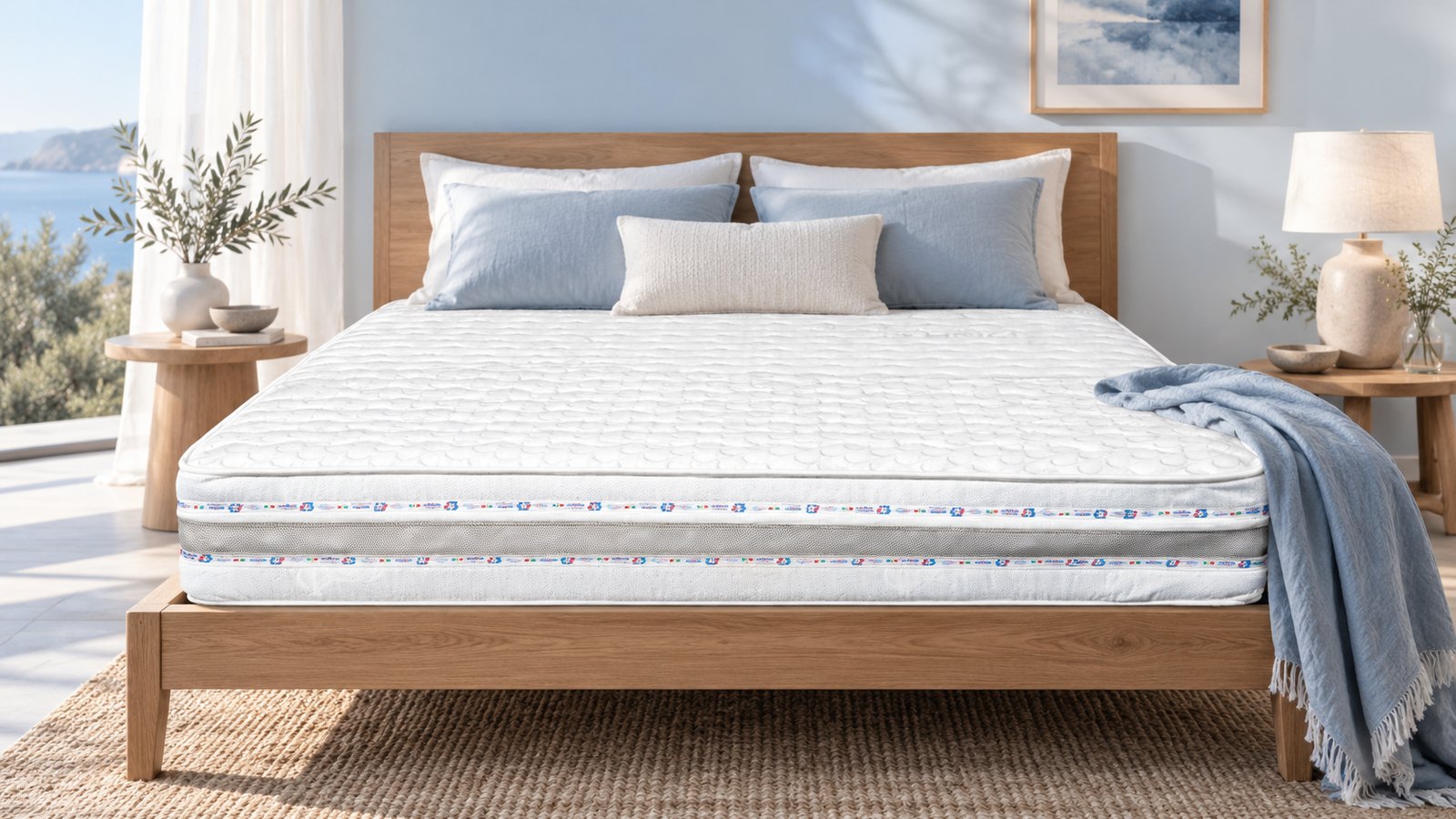
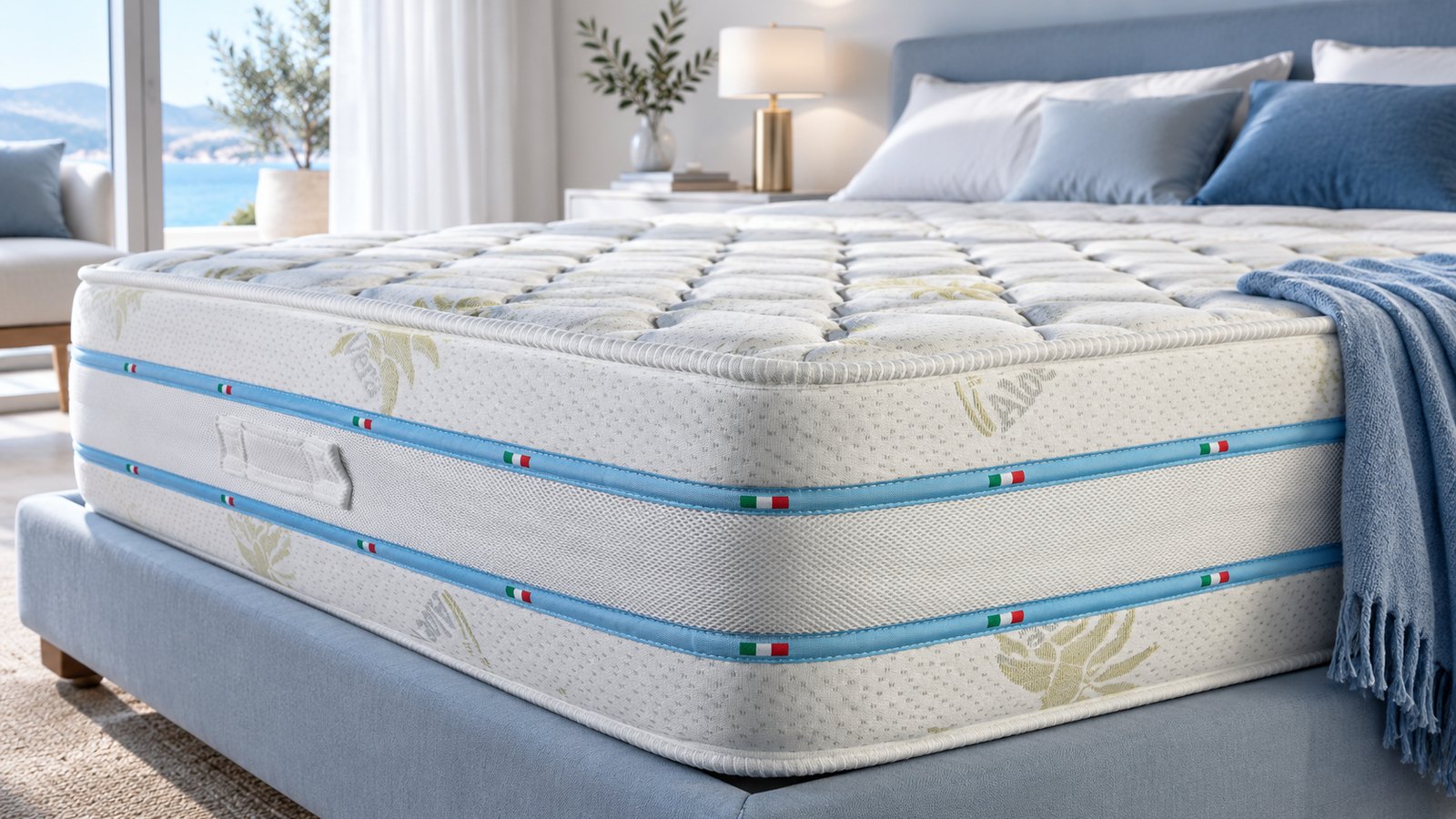
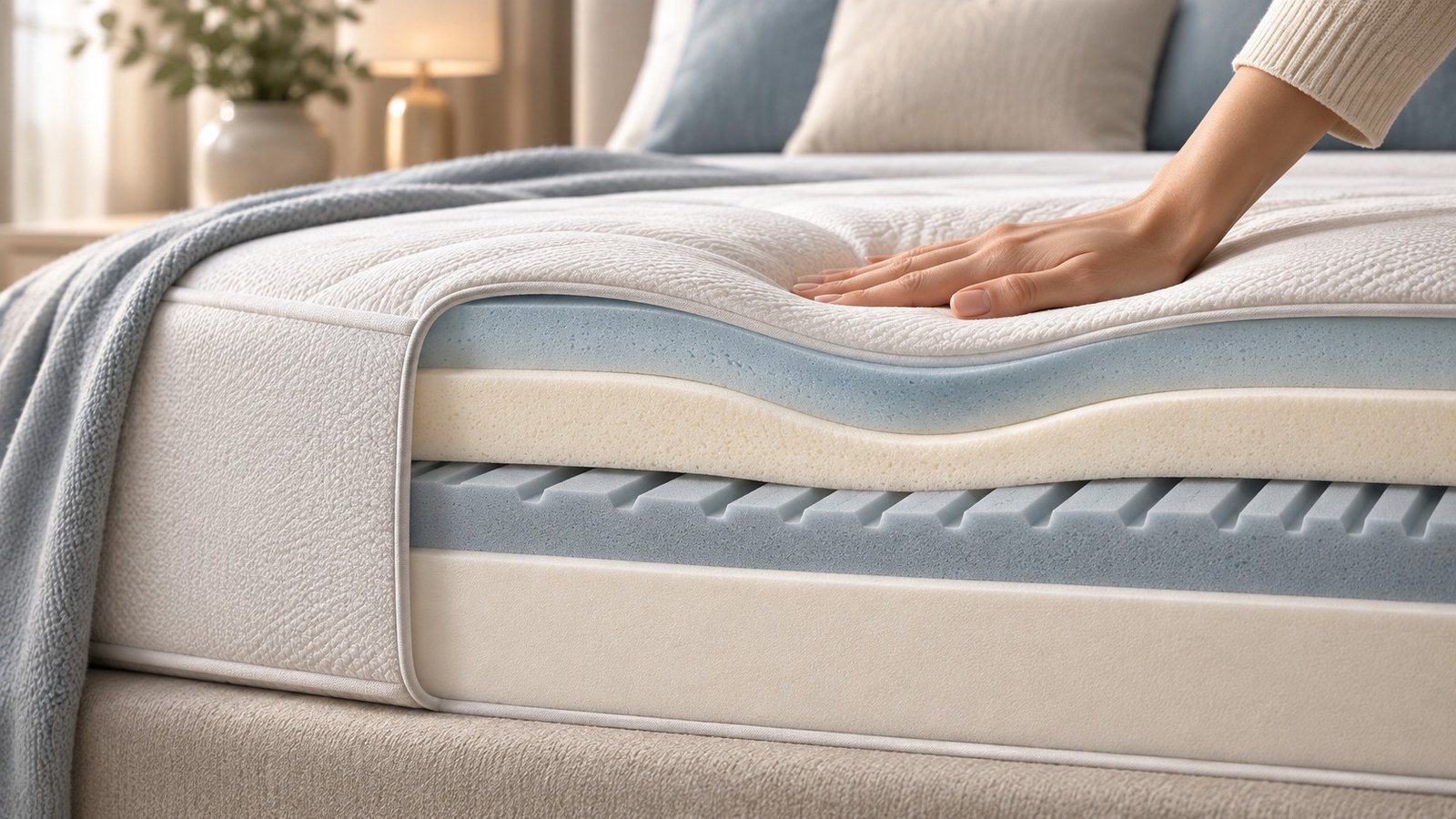
Temperature-sensitive memory foam responds to heat and weight by spreading pressure across the whole body. The high-density Confortgel base used in Luxury Relax mattresses keeps support constant over time without sagging. The 3D breathable border band disperses heat: a cooler night means fewer awakenings.
Differentiated lift helps in a concrete way. Shoulders, hips and legs have different weights and get different support: the body stays aligned and muscles do not work to hold the position. It is the reason why choosing memory foam is often the answer for people who sleep badly.
Height matters too. Luxury Relax models run from 24 to 30 centimetres, with a washable Aloe Vera cover and four perimeter handles to turn the mattress without effort. One detail not to underrate: regular cleaning protects sleep from dust mites and dust, as the mattress cleaning guide explains.
Training memory outside the bed
Memory is not trained only by sleeping. Reviewing at intervals, that is returning to the same subject after one, three and seven days, uses every night of sleep as a filing session. Spaced review beats the single session, because it gives the brain more chances to consolidate.
Movement helps too. A half-hour walk, a flight of stairs, some light exercise: a moved body sleeps better, and better sleep rests memory. No need for intense training in the evening, in fact late overexertion makes falling asleep slower.
The simplest rule is also the most neglected: writing. Those who note down in the evening the three things to remember for the next day unload working memory and go to bed with a lighter mind. The notebook on the nightstand costs very little and frees up mental space for the brain's night work.
The Luxury Relax choice for sleep that lasts
The Luxury Relax catalogue covers every support need. The Athena mattress starts at 990 euros, list price 1.950 euros, and is the top of the range for those who want maximum comfort. Platinum, from 699 euros, carries the same design at a more accessible price; Gold, from 399 euros, is the balanced choice; Elisir, from 179 euros, and Venere, from 149 euros, solve the problem honestly.
Every mattress is made in Italy, with a height between 24 and 30 centimetres, a washable Aloe Vera cover and an anti-mite, hypoallergenic structure. The warranty runs 10 years, the trial is 10 nights at home with full refund if you are not satisfied, and delivery is free across Italy in 24/48 hours, islands included.
For those who want an extra layer of comfort, the memory foam topper starts at 149 euros, list price 289 euros, and fits on any mattress. The Fiocco Memory pillow costs 25 euros; the Kit Notte Elisir, with mattress, bed frame and pillow, starts at 899 euros.
Advice is free: Luxury Relax experts help you choose support and sizes based on body weight and sleeping position. The Seregno showroom, Via San Rocco 42, is open to try the models in person; and for a quick question there is the toll-free number 0362 222407 or customer service on 339 4797213. For an appointment or a quote, the contact form replies within a few hours.

Frequently asked questions about sleep and memory (FAQ)
How many hours of sleep do I need to keep what I learn? For most adults seven to eight hours a night allow five complete sleep cycles. Each cycle lasts about 90 minutes and contributes its share of consolidation: deep phases file the facts, the REM phase connects skills and emotions.
Is it true that studying before sleep helps memory? Yes, if a night of sleep follows the study. The evening revision is picked up again by the brain in the first deep hours. Studying until dawn produces the opposite effect: sleep deprivation lowers the ability to hold what you have just read.
Does an afternoon nap improve memory? A nap of 20-30 minutes in the early afternoon restores attention and offers a first consolidation pass. Past 30 minutes you enter deep sleep and waking is heavy: keep the nap short and before three in the afternoon.
Why do I wake up tired even after eight hours in bed? Eight hours in bed do not mean eight hours of deep sleep. Frequent awakenings, heat, noise or a mattress that does not support the body cut the deep phases. Checking the bedroom and the bed support is the first step towards sleep that truly rests.
Which Luxury Relax mattress is best for deep sleep? Athena is the most complete model, with temperature-sensitive memory foam and a high-density Confortgel base; Platinum offers the same design at a lower price. For tighter budgets, Gold, Elisir and Venere still guarantee differentiated lift and a breathable 3D border.
How much does the pillow matter for sleep quality? The pillow keeps the head aligned with the spine all night. A pillow too high or too flat forces the neck muscles to work and increases micro-awakenings. The Luxury Relax Fiocco Memory pillow, at 25 euros, follows the shape of the head and keeps a neutral position.
Does reading in bed harm memory? Reading in bed is fine if the bed stays a place for rest. When the bed becomes a desk, the brain associates it with work and falling asleep takes longer. Keep study at the desk and reserve the bed for sleep: the association between bed and rest is learned, and it can be rebuilt in a few weeks.
Can I try the mattress before deciding? Yes. Luxury Relax offers 10 trial nights at home, with full refund if you are not satisfied, plus a 10-year warranty. Advice in the showroom or by phone is free and helps you pick the right firmness for your weight and sleeping position.
Ideal Mattress Configurator in 3 Clicks
Answer 3 questions and see which Luxury Relax model fits your sleep best.
Step 1 of 3
Images from this guide



How many hours of sleep do I need to keep what I learn?
For most adults seven to eight hours a night allow five complete sleep cycles. Each cycle lasts about 90 minutes and contributes its share of consolidation: deep phases file the facts, the REM phase connects skills and emotions.
Is it true that studying before sleep helps memory?
Yes, if a night of sleep follows the study. The evening revision is picked up again by the brain in the first deep hours. Studying until dawn produces the opposite effect: sleep deprivation lowers the ability to hold what you have just read.
Does an afternoon nap improve memory?
A nap of 20-30 minutes in the early afternoon restores attention and offers a first consolidation pass. Past 30 minutes you enter deep sleep and waking is heavy: keep the nap short and before three in the afternoon.
Why do I wake up tired even after eight hours in bed?
Eight hours in bed do not mean eight hours of deep sleep. Frequent awakenings, heat, noise or a mattress that does not support the body cut the deep phases. Checking the bedroom and the bed support is the first step towards sleep that truly rests.
Which Luxury Relax mattress is best for deep sleep?
Athena is the most complete model, with temperature-sensitive memory foam and a high-density Confortgel base; Platinum offers the same design at a lower price. For tighter budgets, Gold, Elisir and Venere still guarantee differentiated lift and a breathable 3D border.
How much does the pillow matter for sleep quality?
The pillow keeps the head aligned with the spine all night. A pillow too high or too flat forces the neck muscles to work and increases micro-awakenings. The Luxury Relax Fiocco Memory pillow, at 25 euros, follows the shape of the head and keeps a neutral position.
Does reading in bed harm memory?
Reading in bed is fine if the bed stays a place for rest. When the bed becomes a desk, the brain associates it with work and falling asleep takes longer. Keep study at the desk and reserve the bed for sleep: the association between bed and rest is learned, and it can be rebuilt in a few weeks.
Can I try the mattress before deciding?
Yes. Luxury Relax offers 10 trial nights at home, with full refund if you are not satisfied, plus a 10-year warranty. Advice in the showroom or by phone is free and helps you pick the right firmness for your weight and sleeping position.
Request your free consultation
Fill in the form: a Luxury Relax expert will get back to you with the proposal that suits you best.
What Luxury Relax owners say
On my dad's advice, already a customer, I went to Luxury Relax to buy a mattress. Very comfortable and ergonomic products.
Quality products, helpful and knowledgeable staff. Highly recommended to anyone looking for a real mattress, not a brand name.
I got rid of the back pain that had followed me for years. The right mattress changes your days.
Come visit us
Luxury Relax Materassi
Via San Rocco, 42 — 20831 Seregno (Monza e della Brianza), Italia0362 222407 · info@luxuryrelax.it · WhatsApp 339 4797213
Open in Google Maps