Mattress Dust Mites: How to Remove and Prevent Them
Request your free consultation
Fill in the form: a Luxury Relax expert will get back to you with the proposal that suits you best.
A mattress is a warm, dark, slightly humid place that you sink into for eight hours a night, which is everything dust mites need to thrive. They are not a sign of a dirty home; they are a fact of indoor life, and almost every bed has them. The question is not whether they exist but how many there are, because a small population is invisible to the body while a large one turns a good night's sleep into a runny nose and a morning of sneezing.
Dust mites themselves do not bite, and the marks people mistake for bites are usually a reaction to their droppings or another irritant altogether. The protein in mite waste is what triggers the immune response, and that reaction builds over time in a humid, dusty mattress. Understanding this matters, because it changes the solution from frantic cleaning to a routine that keeps the population low.
Below we look at what actually reduces mites in a mattress, how to tell a mite allergy from something else, and why a breathable, anti-mite build with a washable cover is the simplest prevention of all. The Luxury Relax range applies exactly that logic, and we explain where it fits in a sensible routine.
What Dust Mites Are and Why They Live in Beds
Dust mites are microscopic creatures that feed on the dead skin cells people shed constantly. They do not sting or suck blood, and they have no interest in living people; they want skin flakes, warmth and humidity. A mattress accumulates shed skin every night, holds warmth from the body, and traps moisture, which makes it close to an ideal habitat. That is why the bed, and not the floor, is where most household mites gather.
They thrive at humidity above roughly half of the air's capacity, which explains why they surge in warm, closed rooms and quieten in cold, dry ones. Their waste is the allergen, a protein that becomes airborne when the mattress is disturbed and is then breathed in. Over months, a mattress can hold millions, and it is the accumulation rather than any single mite that turns the bed into a problem.
The reassuring part is that mites are manageable. They need specific conditions to multiply, and every one of those conditions can be altered: the moisture, the warmth, the food supply and the fabric they live in. Change those and the population falls without any drastic intervention.
Symptoms of a Dust Mite Allergy
The signs of a mite allergy look a great deal like a cold that never quite ends. There is sneezing, a runny or blocked nose, itchy or watery eyes, and a cough or wheeze that is worse at night or first thing in the morning. Because the exposure is concentrated in bed, the pattern is telling: symptoms that improve when you sleep elsewhere and return when you come home point strongly to the mattress and bedding.
Not everyone reacts, and sensitivity varies widely. Some people share a bed with a heavy mite population and notice nothing, while others react to a fraction of it. Asthma sufferers and people with eczema often find their symptoms worsen in a mite-rich room, and children can be especially affected because they spend long hours pressed against the mattress.
It is worth being honest about the limits of self-diagnosis. Plenty of things cause a runny nose, from pollen to pets to a common cold, and a persistent problem deserves a proper look from a clinician rather than a guess. What this guide can do is explain the mattress side, which is the one controllable variable in most bedrooms.
How to Remove Dust Mites From a Mattress
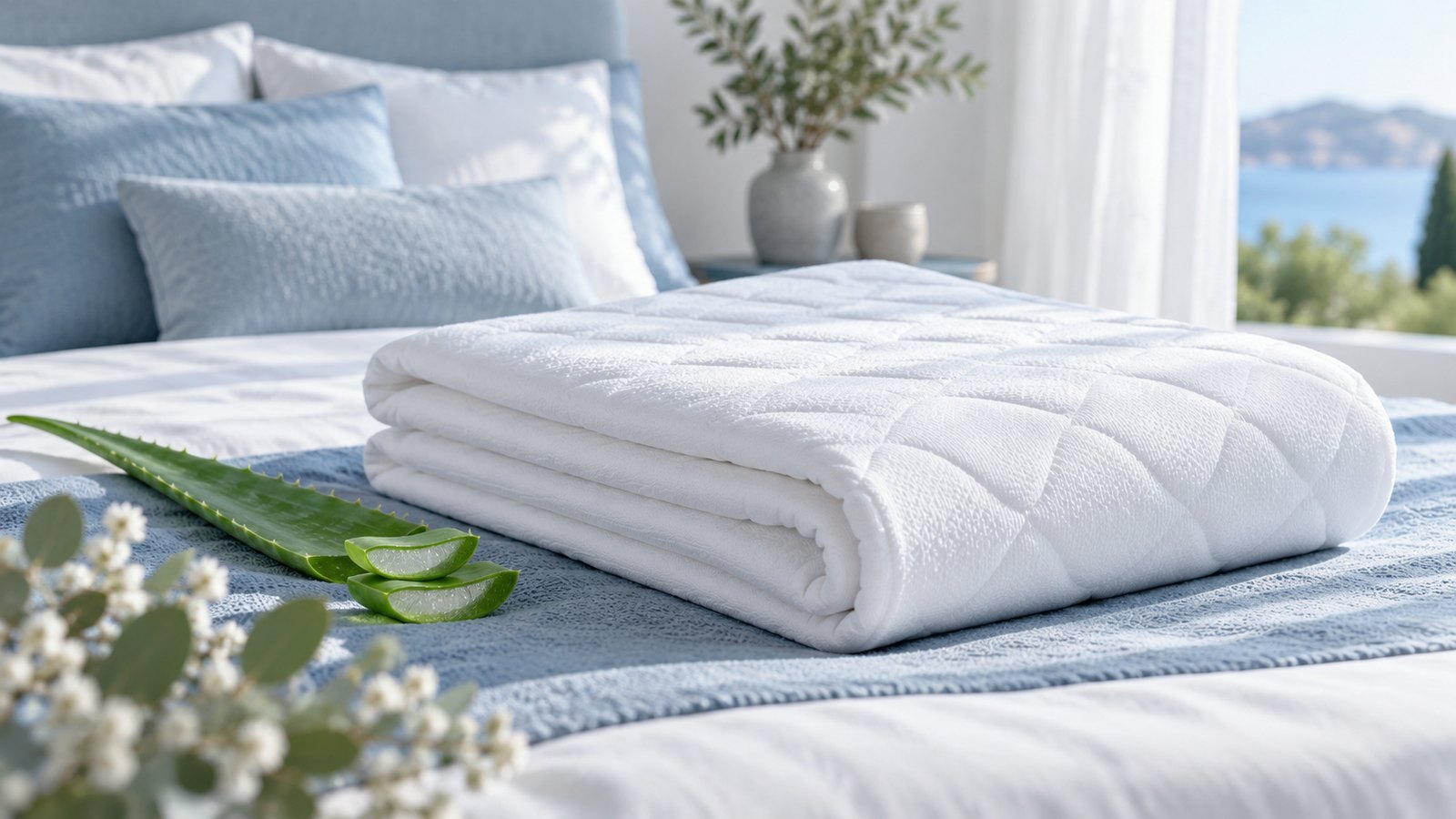
The single most effective step is to wash bedding and covers at a hot temperature, because sustained heat kills mites and removes the allergen they leave behind. A weekly wash of sheets and pillowcases, and a regular wash of a removable mattress cover, does more than any spray. Cold washes help less against mites, so where the fabric allows it, go hot.
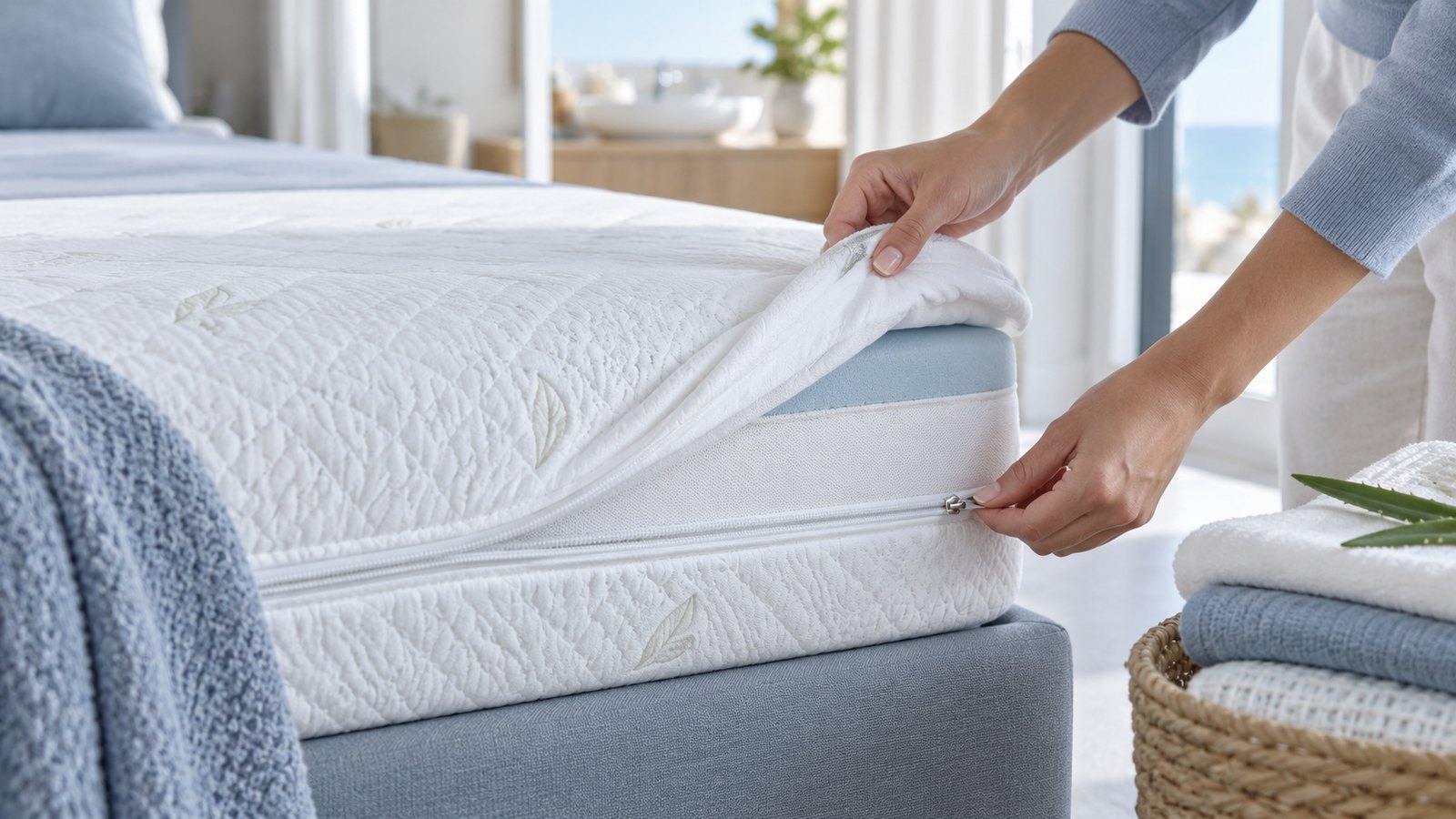
For the mattress itself, a washable cover is the real answer, because the core cannot be put in a machine. Vacuuming the surface with a suitable attachment lifts some of the allergen and skin cells, and reducing humidity with ventilation or a dehumidifier makes the environment far less hospitable. Leaving a bed unmade and aired, rather than sealed under a heavy duvet all day, reduces the moisture that mites need.
Chemical sprays and powders offer short-lived relief and can be a false economy, since the population returns once conditions allow. Freezing soft items, replacing pillows periodically, and keeping the room cool and dry all help, but the routine is what holds the result. A mattress that is anti-mite by construction makes every part of that routine easier, because the surface is already resisting the problem.
Prevention: The Mattress Features That Matter
Prevention starts before the first wash, at the point of purchase. An anti-mite and hypoallergenic treatment built into the mattress sets a higher baseline, so the routine is maintaining a low population rather than fighting a high one. A removable, washable cover in a natural fibre lets you clean the top layer properly while protecting the core, which is where mites would otherwise settle permanently.
Breathability is prevention too. A mattress that traps heat and moisture feeds mites; one with a breathable 3D perimeter band and an open structure lets air circulate and the surface stay drier. This is why the same features that keep a mattress cool also keep it cleaner. A natural aloe cover adds a surface that manages humidity and is easy to launder, which is exactly what a bedroom needs.
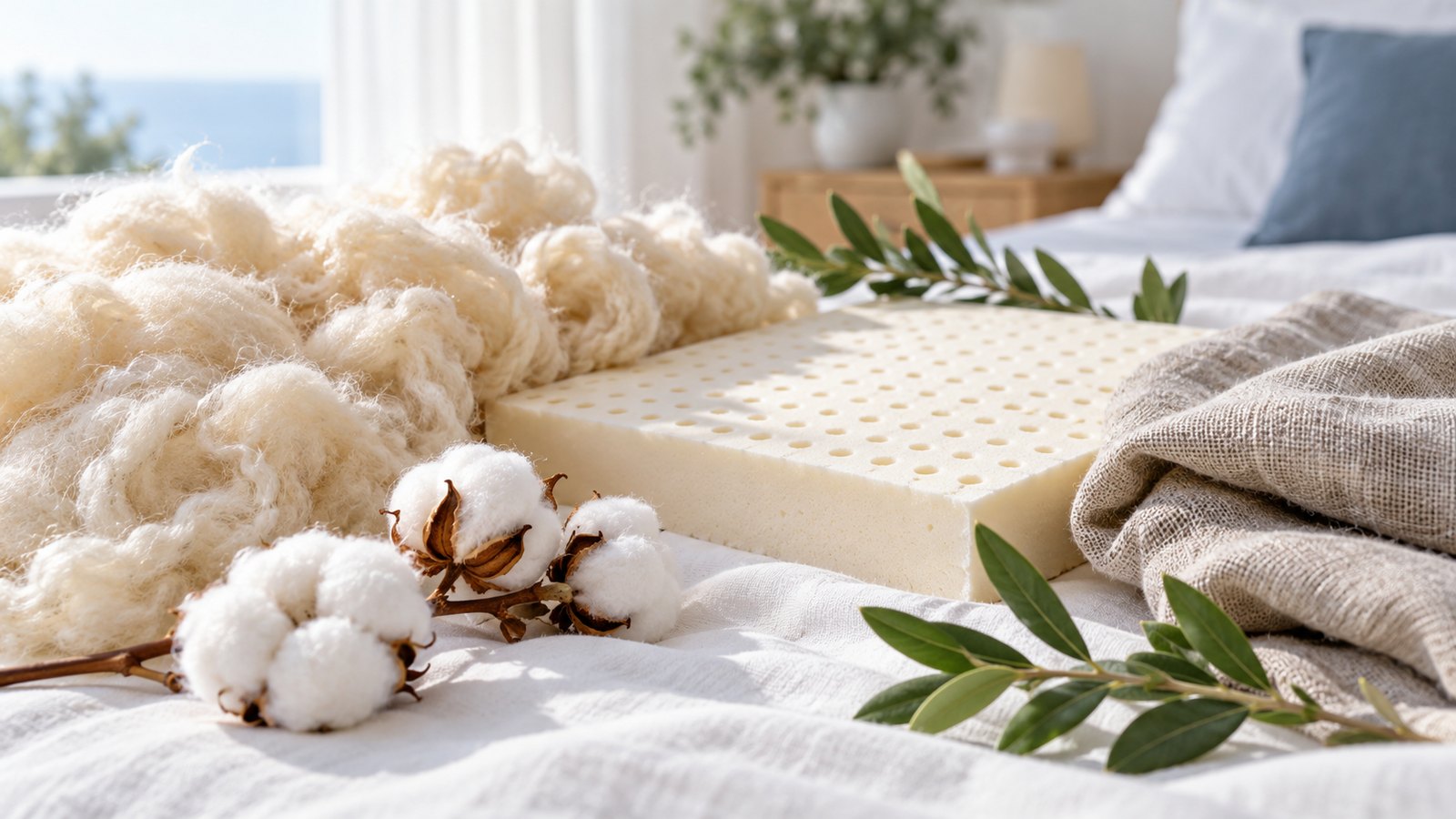
Material choice plays a part as well. Dense synthetic blocks can hold warmth and moisture, while breathable structures resist it. None of this replaces a cleaning routine, but a mattress designed to stay dry and to be washed is a mattress that needs far less drastic intervention to stay comfortable for an allergic sleeper. If you sleep warm as well as sneeze, the best memory foam mattresses show how breathability and comfort can be combined.
A Practical Weekly Routine
The routine that works is small and repeatable. Air the bed each morning by pulling back the covers, which lets moisture escape and is the cheapest anti-mite measure available. Wash sheets weekly at a hot setting, wash the mattress cover on a regular schedule, and vacuum the mattress surface with a suitable attachment every few weeks, paying attention to seams.
Keep the room cool and dry, opening windows when you can and using a dehumidifier in damp weather. Replace pillows when they lose their shape, since they hold mites close to the face. Rotate the mattress regularly with the perimeter handles so no single zone becomes the permanent home for the population, and keep the cover clean so the core stays protected.
Stacked together, these habits cost little and change a great deal. If your symptoms are persistent, though, treat the mattress as one part of the picture and speak to a clinician about the rest.

Why an Anti-Mite Mattress Makes the Difference
The Luxury Relax build treats the mite problem as a design brief rather than an afterthought. The mattress is anti-mite and hypoallergenic, the cover is washable in aloe vera, and a breathable 3D perimeter band keeps the surface from holding the warmth and moisture mites need. That combination lowers the population before you do a single thing, and makes the weekly routine far more effective when you do.
The construction supports the rest of the bedroom too. A deformable core keeps its shape, the anti-allergy treatment handles the surface, and the washable cover means the top layer can be cleaned as often as bedding. For households with an allergic sleeper or a child, this is the difference between managing a problem and preventing one. Prices start at €179 for the Elisir and €149 for the Venere, with the Gold at €399 and the Platinum at €699 for a larger bed, all made in Italy with a ten-year warranty.
If you are ready to move from cleaning the problem to preventing it, the sensible next step is a breathable anti-mite mattress with a washable cover, backed by ten trial nights on a satisfied-or-refunded basis and free delivery. Open the contact page to ask which build suits your room, and see the mattress cleaning guide for the full routine that keeps it fresh.

Frequently Asked Questions
Can you see dust mites on a mattress? No. Dust mites are microscopic, so they are invisible to the naked eye. What people sometimes see are stains or skin flakes, and what they feel is the allergic reaction to mite waste, not the mites themselves.
Do dust mites bite? Dust mites do not bite and do not feed on blood. Marks that look like bites are usually a reaction to mite waste or another irritant, so the fix is reducing the allergen rather than treating a bite.
How do I get rid of dust mites in a mattress? Wash covers and bedding hot, use a washable mattress cover, vacuum the surface regularly, and keep the room cool and dry. Sustained heat and low humidity do far more than sprays.
Does baking soda kill dust mites? Baking soda helps lift stains and odours and can dry the surface, which reduces the humidity mites need, but it does not reliably kill them on its own. It works best alongside hot washing and ventilation.
How often should I clean a mattress to control mites? Air the bed daily, wash sheets weekly, wash the mattress cover regularly, and vacuum the surface every few weeks. Consistency matters more than any single deep clean.
Are foam or latex mattresses better against dust mites? Breathable latex and well-made layered foam resist mites better than a warm, moisture-holding block. Whichever you choose, look for an anti-mite treatment and a washable cover.
Can you see dust mites on a mattress?
No. Dust mites are microscopic, so they are invisible to the naked eye. What people sometimes see are stains or skin flakes, and what they feel is the allergic reaction to mite waste, not the mites themselves.
Do dust mites bite?
Dust mites do not bite and do not feed on blood. Marks that look like bites are usually a reaction to mite waste or another irritant, so the fix is reducing the allergen rather than treating a bite.
How do I get rid of dust mites in a mattress?
Wash covers and bedding hot, use a washable mattress cover, vacuum the surface regularly, and keep the room cool and dry. Sustained heat and low humidity do far more than sprays.
Does baking soda kill dust mites?
Baking soda helps lift stains and odours and can dry the surface, which reduces the humidity mites need, but it does not reliably kill them on its own. It works best alongside hot washing and ventilation.
How often should I clean a mattress to control mites?
Air the bed daily, wash sheets weekly, wash the mattress cover regularly, and vacuum the surface every few weeks. Consistency matters more than any single deep clean.
Are foam or latex mattresses better against dust mites?
Breathable latex and well-made layered foam resist mites better than a warm, moisture-holding block. Whichever you choose, look for an anti-mite treatment and a washable cover.
What Luxury Relax owners say
Su consiglio di mio papà già cliente mi sono recato da Luxury Relax per l'acquisto di un materasso. Prodotti molto comodi ed ergonomici.
Prodotti di qualità, personale disponibile e competente. Consigliatissimo a chi cerca un materasso vero, non un nome.
Ho risolto i dolori alla schiena che mi accompagnavano da anni. Il materasso giusto cambia le giornate.
Come visit us
Luxury Relax Materassi
Via San Rocco, 42 — 20831 Seregno (Monza e della Brianza), Italia0362 222407 · info@luxuryrelax.it
Open in Google Maps