Anti-Decubitus Mattress: What It Is and When You Need It
Request your free consultation
Fill in the form: a Luxury Relax expert will get back to you with the proposal that suits you best.
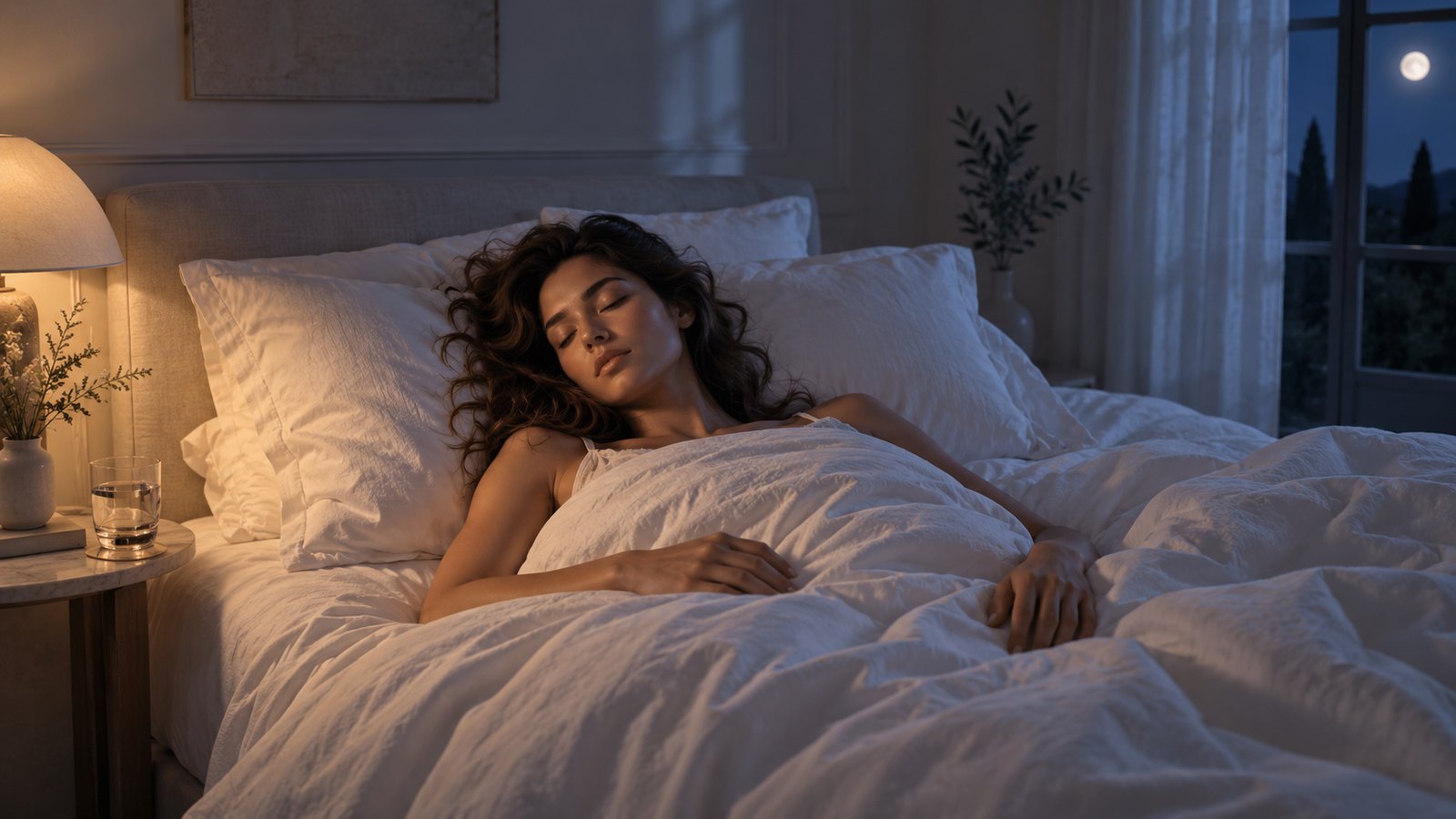
An anti-decubitus mattress is one of those products most people never think about until someone they care for needs it. The name sounds clinical, and the purpose is serious: it distributes pressure across the body so that people who cannot move easily during sleep are not left with the same points compressed for hours. For a bed-bound or low-mobility sleeper, that difference is not a comfort preference but a matter of skin health.
The principle behind it is simple physics. Pressure builds wherever the body touches a hard surface with concentrated weight, usually the heels, hips, shoulders and lower back. In a healthy sleeper, small shifts in position during the night relieve those points automatically. When a person cannot make those shifts, the pressure stays, blood flow to the area falls, and the skin is at risk. An anti-decubitus surface spreads that pressure so no single point carries the load for too long.
This guide explains what an anti-decubitus mattress does, the types available, and how to choose one sensibly. It also explains why the Luxury Relax memory range is a strong option for lighter, home-based needs, and how its complete review fits the wider picture.
What an Anti-Decubitus Mattress Actually Does
An anti-decubitus mattress is designed to reduce and redistribute pressure on the parts of the body most at risk, so that skin and tissue are not starved of circulation. It does this in one of two broad ways: by using a material that conforms closely to the body's shape, or by actively moving the support under the sleeper so the contact points change. Some mattresses combine both ideas.
Passive mattresses rely on foam, memory foam or gel that softens under body heat and weight, spreading the load over a wider area. They are quiet, require no power, and are suitable for people who can still move a little or who are at moderate risk. Active mattresses use air cells or alternating pressure, inflating and deflating sections in cycles so that no area is compressed continuously. These suit higher-risk situations and usually need a pump.
The key is to match the type to the level of risk. A person who can shift position with help may need no more than a good pressure-relieving memory surface. Someone who is immobile for long periods may need the active alternation of an air mattress. Choosing the wrong level wastes money in one direction or fails to protect in the other, which is why a professional assessment matters.
Who Needs One, and Why It Is Not Just a Comfort Choice
Anti-decubitus mattresses are used by people who are bed-bound for extended periods, those recovering from surgery or illness, the elderly with reduced mobility, and anyone whose medical team has flagged a risk of pressure damage. The common thread is an inability to reposition freely during the night, which is what keeps pressure concentrated on the same points.
It is worth being clear that this is a health matter, not a luxury. Prolonged pressure on the skin and underlying tissue can lead to sores and ulcers that are painful and slow to heal, and that can become serious. Relieving that pressure at the surface is one of the simplest protective measures, alongside repositioning, skin care and good nutrition, all of which should be part of a plan advised by a clinician.
That is also why an anti-decubitus mattress is not the same thing as a firm orthopedic one. A mattress that is good for back support is not automatically good for pressure relief; in fact, a very firm surface can concentrate pressure at the heels and hips. The two goals require different designs, and it is a mistake to assume one solves the other. For general back-pain needs, the orthopedic mattress guide is the more relevant read.
The Main Types Compared
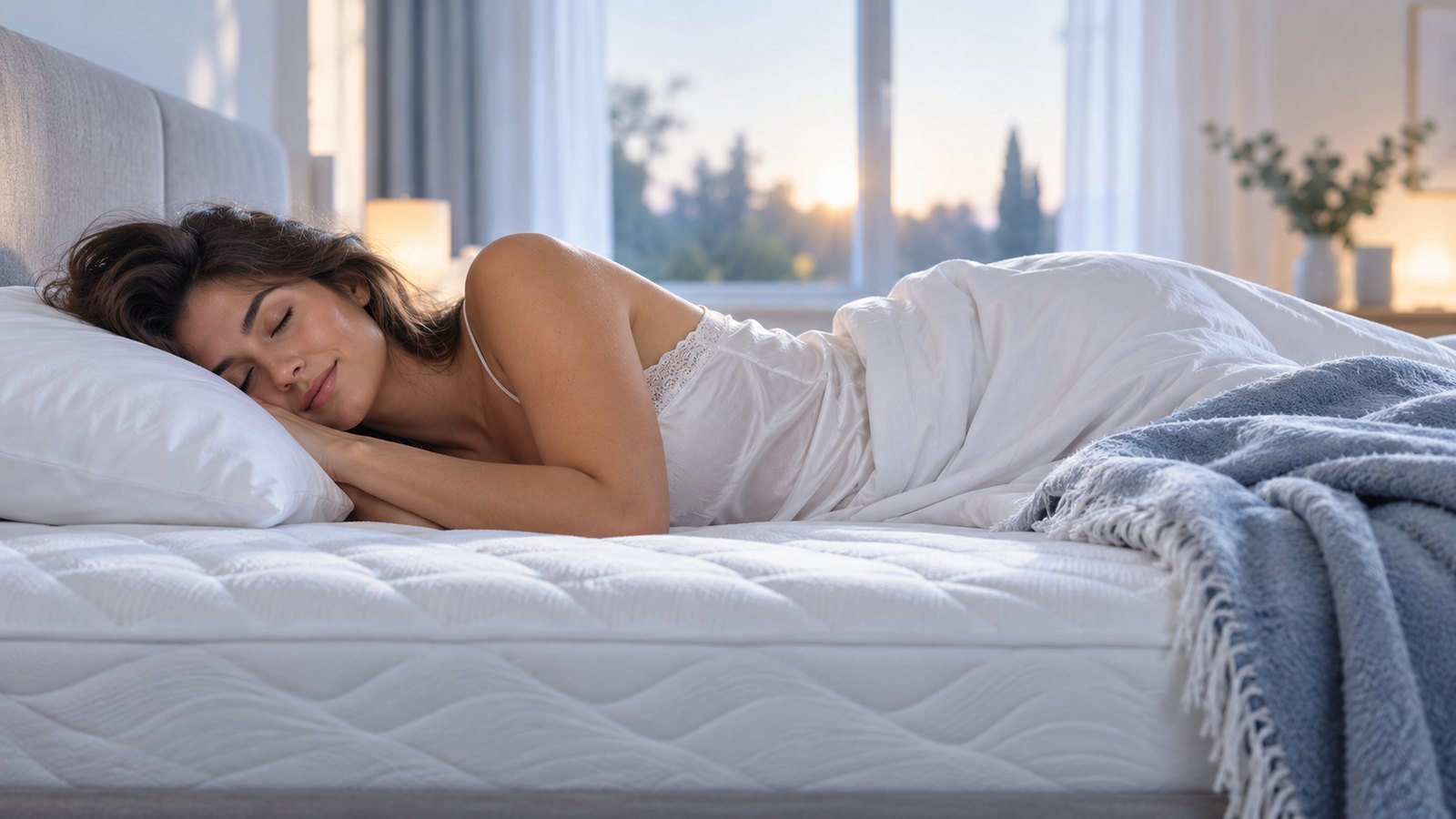
There are three broad families of anti-decubitus surface, and each suits a different situation. The table below sets them side by side.
| Type | How it works | Best for | Notes |
|---|---|---|---|
| Static memory / gel foam | Conforms under heat and weight | Moderate risk, can reposition with help | Quiet, no power, easy at home |
| Air cell (alternating) | Cells inflate and deflate in cycles | Higher risk, immobile sleepers | Needs a pump and power |
| Hybrid overlay | Foam base with an air or gel layer | Flexible care settings | Balances comfort and relief |
Memory foam is the most accessible starting point for home care. A high-density memory layer softens exactly where the body is warm and heavy, spreading pressure over a wider area instead of letting it concentrate. It is quiet, needs no electricity, and doubles as a comfortable surface for a guest or a recovering family member. Its limit is that it does not actively move the contact points, so it suits moderate rather than high risk.
Air cell mattresses are the clinical workhorse for immobile patients, because the alternating inflation shifts support continuously so no area is compressed for long. They are effective but more complex, requiring a pump and power, and some sleepers find the movement strange at first. Where a loved one is truly immobile, this is often what a medical team will recommend.
A hybrid overlay gives a middle path, using a foam base for structure with an air or gel layer on top to spread pressure. It can suit care settings where a compromise between active relief and comfort is wanted. Whichever type is chosen, the priority is pressure redistribution, not firmness.
Breathability, Hygiene and Skin Health
Pressure relief is only part of the picture. Moisture and heat soften the skin and make it more vulnerable, so an anti-decubitus surface must also breathe. A mattress that traps heat and sweat works against the very goal it is meant to serve, which is why open structures and breathable perimeter bands matter as much here as on any other mattress.
Hygiene is the other half. A person who spends long hours in bed is more sensitive to dust, allergens and the build-up that mattresses collect over time. A removable, washable cover is essential, because it lets the surface that meets skin be cleaned regularly without soaking the core, and an anti-mite, hypoallergenic treatment keeps the mattress cleaner between washes.
Rotation and inspection matter too. Even a protective mattress should be turned and checked regularly for wear or hollowing, since a compressed area offers less relief precisely where it is needed. A maker that builds a deformable core and a washable cover is making the care routine easier, which is the practical difference between a surface that works and one that quietly stops working.
Choosing a Mattress for Home Care
For home-based, moderate-risk needs, the sensible approach is a high-density memory mattress with a washable cover and a breathable structure. It relieves pressure, stays hygienic and remains comfortable enough to be used by others when the need passes, which makes it a more versatile choice than a clinical air system in a domestic setting.
It is important to be guided by medical advice, especially for anyone with existing skin damage or high immobility. A clinician or occupational therapist can assess the level of risk and recommend whether a static or active surface is required. A mattress is only one part of pressure care, alongside repositioning, skin checks and nutrition.
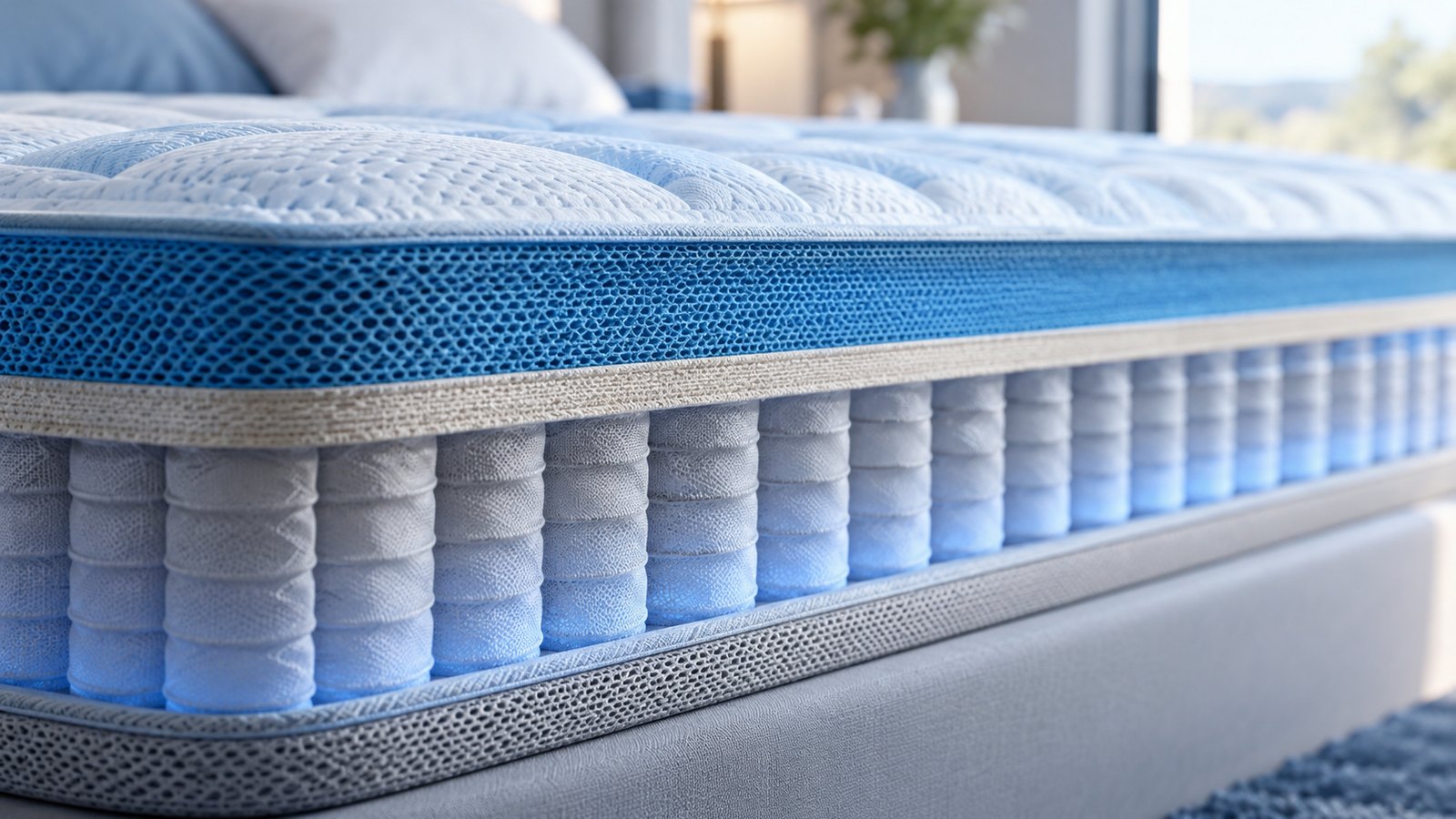
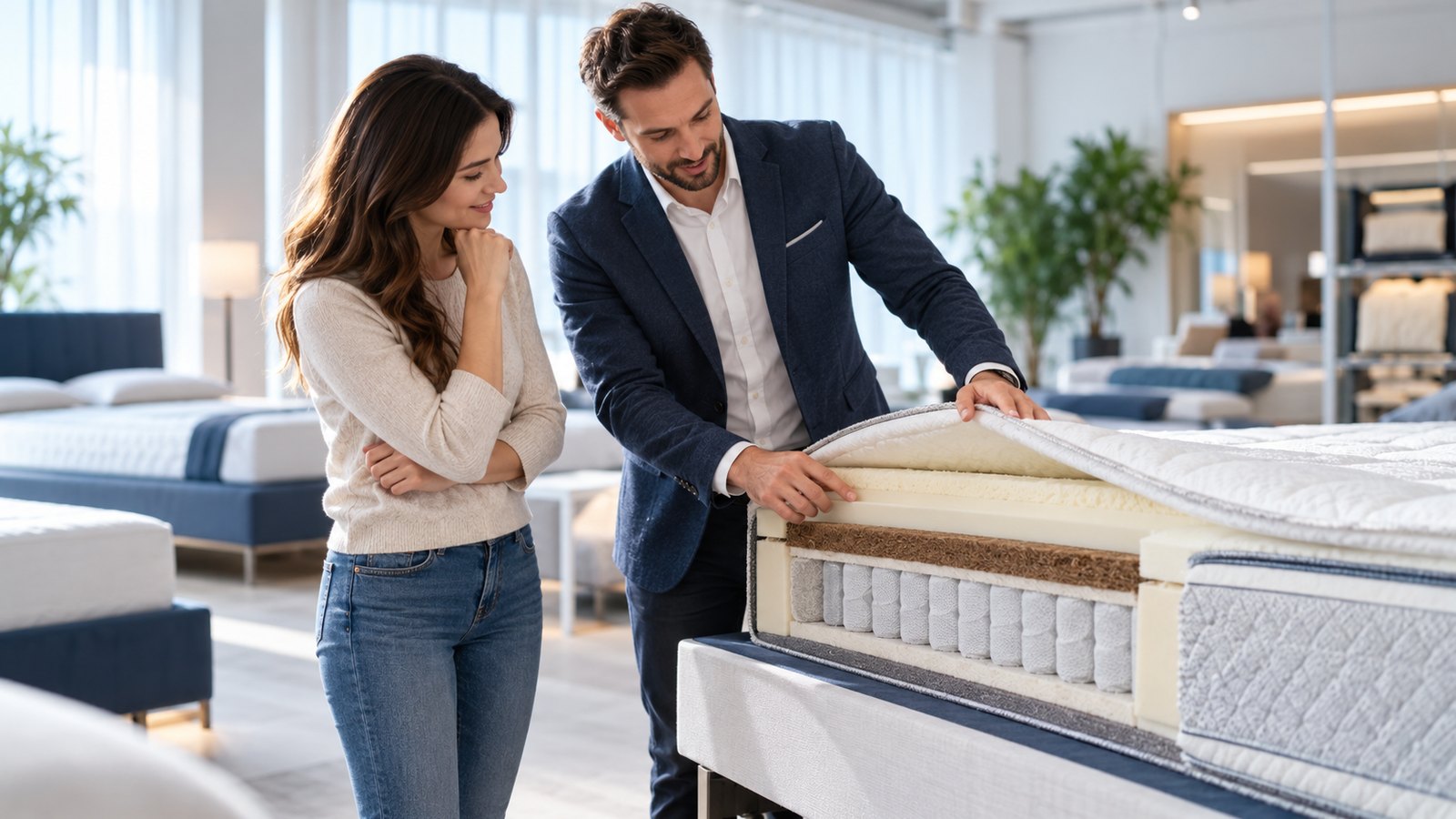
Within those bounds, the Luxury Relax memory range offers a strong home option. A thermosensitive memory layer over a high-density Confortgel base spreads pressure and cushions the contact points, while the breathable 3D perimeter band and washable aloe cover manage heat and hygiene. The anti-mite, hypoallergenic treatment keeps the surface clean, and the deformable core resists the hollowing that would reduce relief over time.
The range also keeps a domestic mattress affordable and usable: the Venere from €149, the Elisir from €179, the Gold from €399, the Platinum from €699 and the Athena from €990, all made in Italy with a ten-year warranty and ten trial nights. For a recovering family member or a guest room that doubles as a care bed, that combination is far more practical than a single-purpose clinical product. Our mattress buying guide explains how to weigh material and firmness for any household member.
Where Pressure Relief Meets Everyday Comfort
An anti-decubitus mattress does not have to look or feel like hospital equipment. A well-made memory surface that relieves pressure can also be a comfortable bed for a recovering sleeper, and even for the occasional guest. That dual purpose matters in a home, where the same room may be a spare bedroom most of the year and a care bed when needed.
The design that achieves both is the layered memory build: a conforming surface that softens at the contact points, resting on a supportive core that keeps the body from sinking unevenly. Add breathability and a washable cover, and you have a mattress that protects skin while remaining a pleasant place to sleep. That is the sensible middle ground for lighter home care.
Where higher-risk care is involved, follow clinical guidance and consider an active air mattress. Where the need is moderate and domestic, a high-quality pressure-relieving memory mattress is often the most practical answer. Open the contact page to request a free consultation and discuss the right build for the person you are caring for.
Frequently Asked Questions
What is an anti-decubitus mattress for? It redistributes pressure across the body so that people who cannot reposition easily during sleep are not left with the same points compressed for hours, reducing the risk of pressure sores.
How much does an anti-decubitus mattress cost? A home-use memory mattress with pressure-relieving properties can start around €149 to €179, rising with depth and material. Active air mattresses with pumps cost more because of the mechanism.
Is a memory foam mattress anti-decubitus? A high-density memory foam conforms under heat and weight and spreads pressure, which helps for moderate risk. It does not actively change contact points, so fully immobile sleepers may need an air system instead.
Does an anti-decubitus mattress need to breathe? Yes. Heat and moisture soften the skin and increase risk, so a breathable structure and a washable cover are important alongside pressure relief.
Can I use an anti-decubitus mattress at home? For moderate, home-based needs, yes. A pressure-relieving memory mattress with a washable cover works well domestically and remains comfortable for other users. Higher-risk cases should follow clinical advice.
Is a firm mattress good for preventing pressure sores? Not by itself. Very firm surfaces can concentrate pressure at the heels and hips. Preventing sores is about redistributing pressure, not about firmness, and should be guided by a clinician.
What is an anti-decubitus mattress for?
It redistributes pressure across the body so that people who cannot reposition easily during sleep are not left with the same points compressed for hours, reducing the risk of pressure sores.
How much does an anti-decubitus mattress cost?
A home-use memory mattress with pressure-relieving properties can start around €149 to €179, rising with depth and material. Active air mattresses with pumps cost more because of the mechanism.
Is a memory foam mattress anti-decubitus?
A high-density memory foam conforms under heat and weight and spreads pressure, which helps for moderate risk. It does not actively change contact points, so fully immobile sleepers may need an air system instead.
Does an anti-decubitus mattress need to breathe?
Yes. Heat and moisture soften the skin and increase risk, so a breathable structure and a washable cover are important alongside pressure relief.
Can I use an anti-decubitus mattress at home?
For moderate, home-based needs, yes. A pressure-relieving memory mattress with a washable cover works well domestically and remains comfortable for other users. Higher-risk cases should follow clinical advice.
Is a firm mattress good for preventing pressure sores?
Not by itself. Very firm surfaces can concentrate pressure at the heels and hips. Preventing sores is about redistributing pressure, not about firmness, and should be guided by a clinician.
What Luxury Relax owners say
Su consiglio di mio papà già cliente mi sono recato da Luxury Relax per l'acquisto di un materasso. Prodotti molto comodi ed ergonomici.
Prodotti di qualità, personale disponibile e competente. Consigliatissimo a chi cerca un materasso vero, non un nome.
Ho risolto i dolori alla schiena che mi accompagnavano da anni. Il materasso giusto cambia le giornate.
Come visit us
Luxury Relax Materassi
Via San Rocco, 42 — 20831 Seregno (Monza e della Brianza), Italia0362 222407 · info@luxuryrelax.it
Open in Google Maps