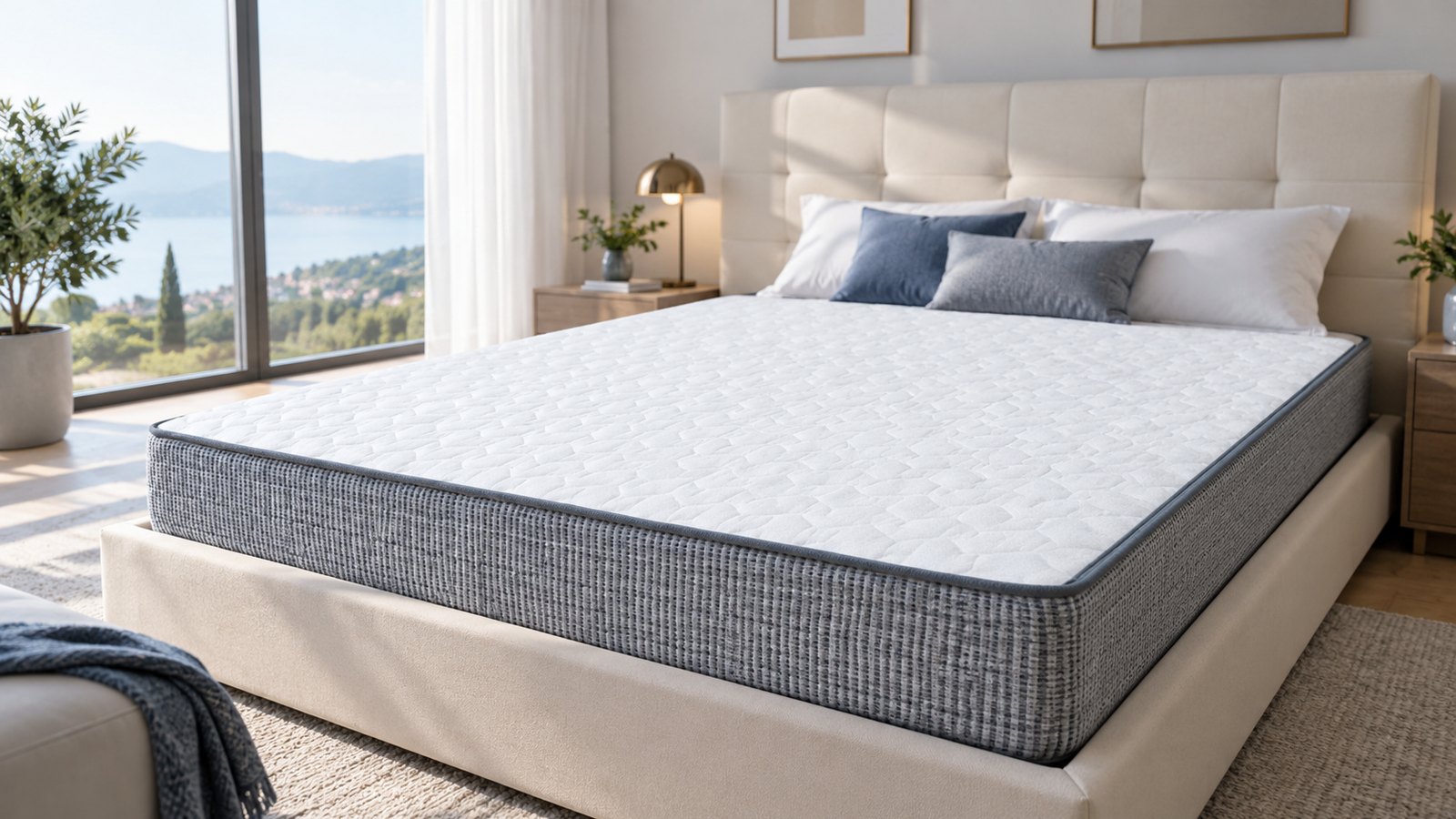
Smoking and sleep: how nicotine disrupts your nightly rest
Key facts at a glance
- What to know right away: Smoking and sleep: how nicotine and second-hand smoke cut deep sleep, what changes after two weeks and how to set up the bedroom. Luxury Relax guide.
- Trial, warranty and delivery: 10 trial nights · 10-year warranty · Free delivery 24/48h
- Who it is for: How smoking affects sleep
- What this guide covers: How smoking affects sleep · Nicotine, night waking and sleep quality · Second-hand smoke, bedroom air and the mattress
- How to book or get help: Get your free consultation · 0362 222407 · info@luxuryrelax.it
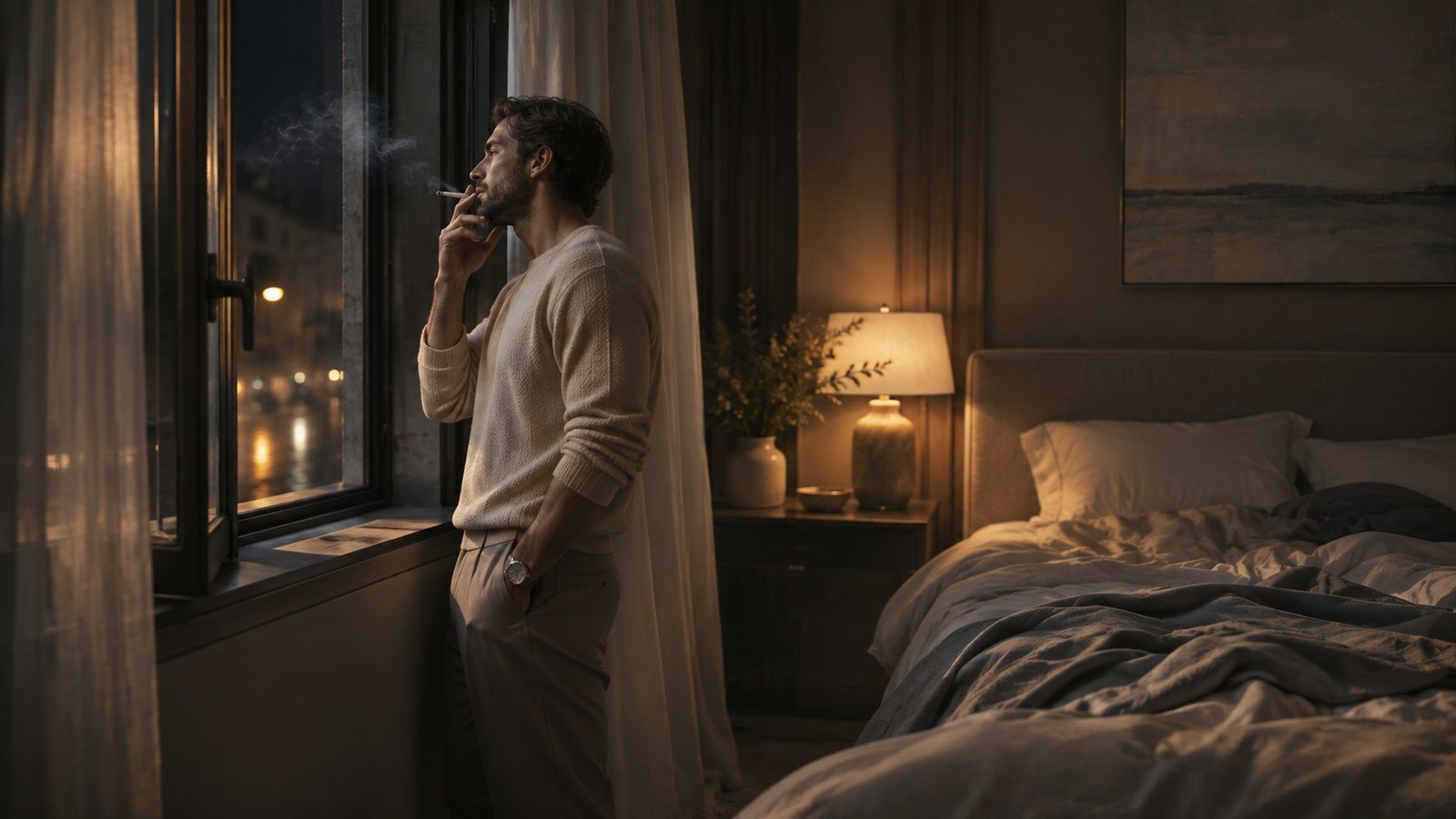
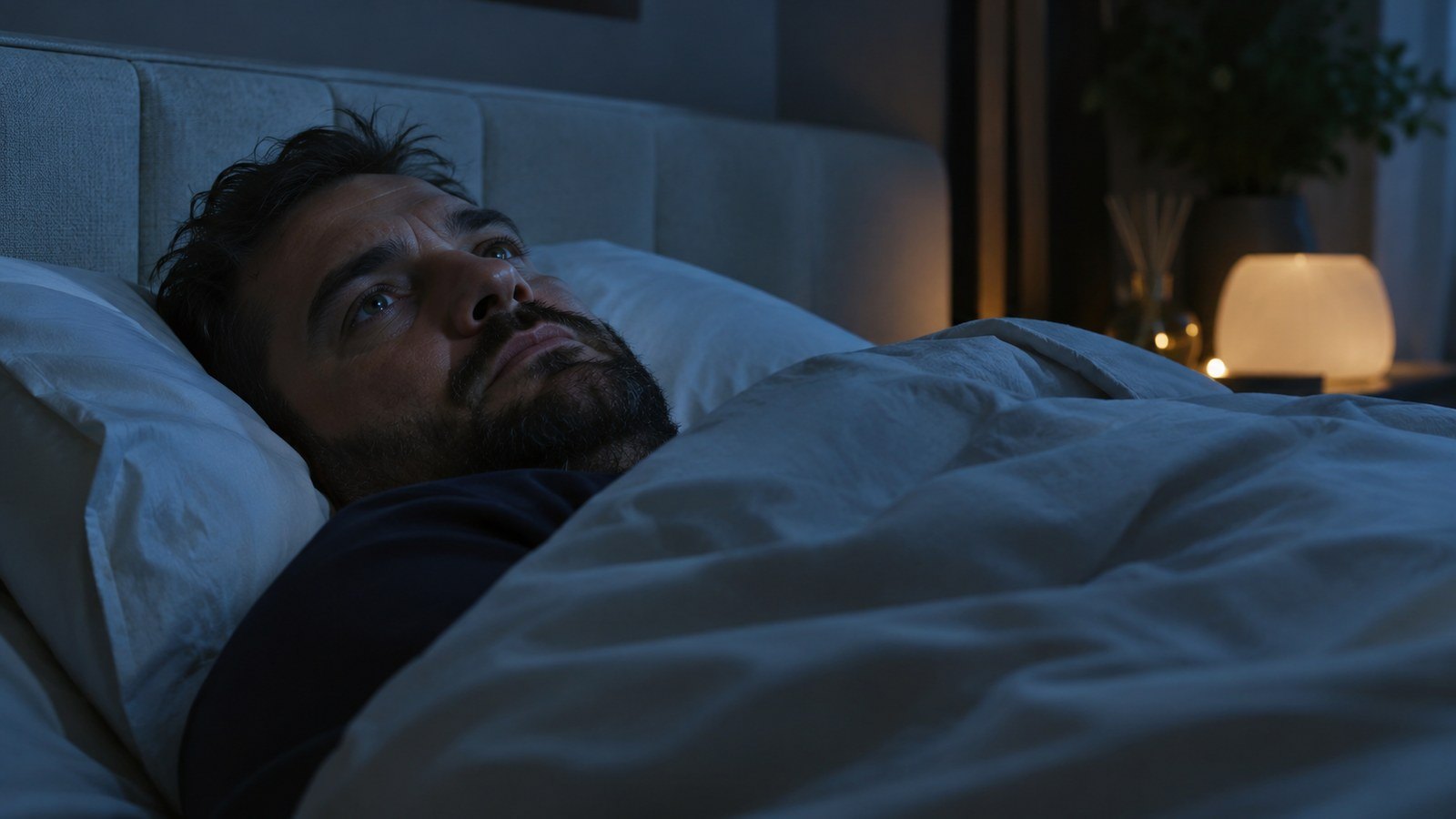
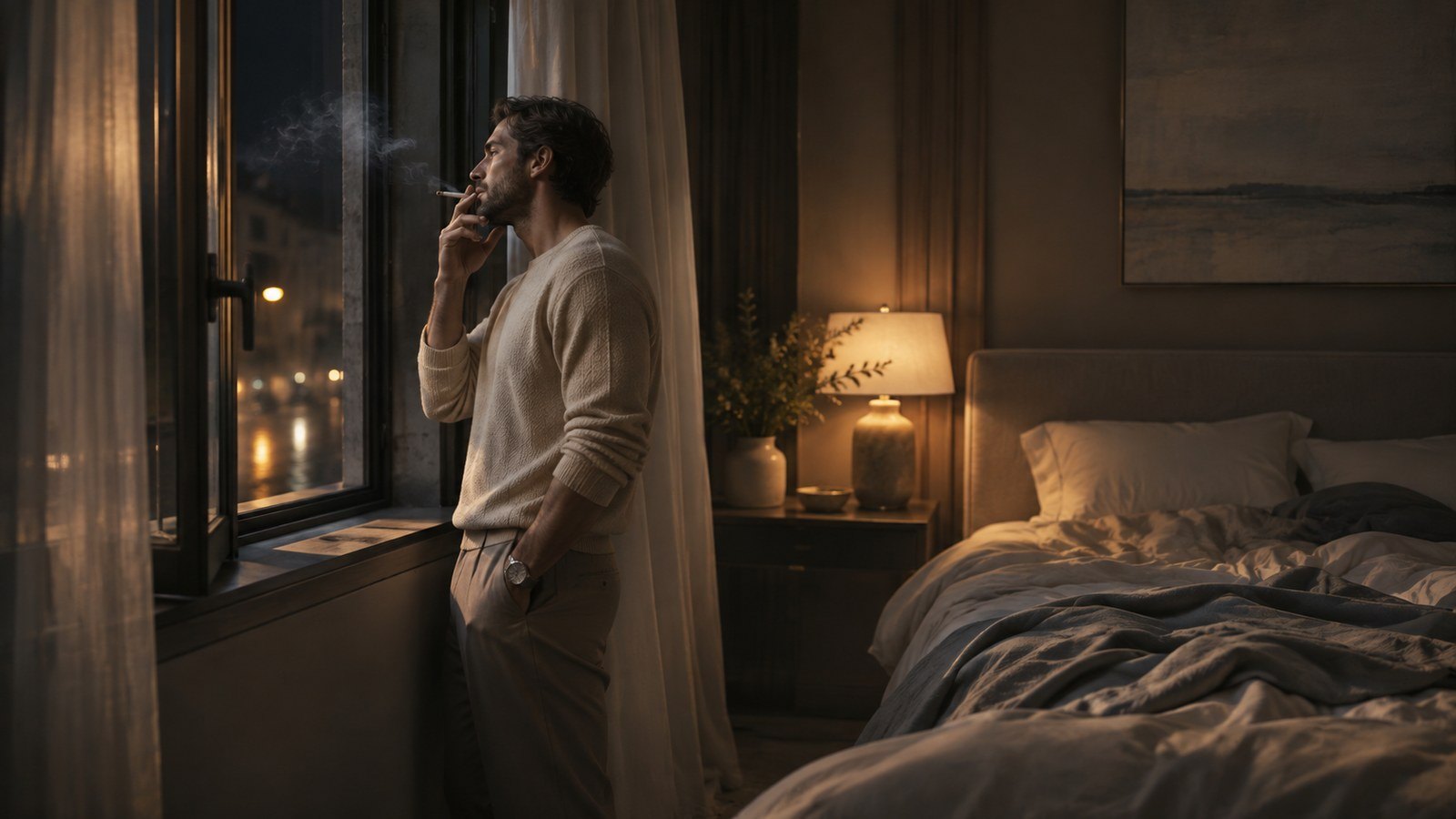
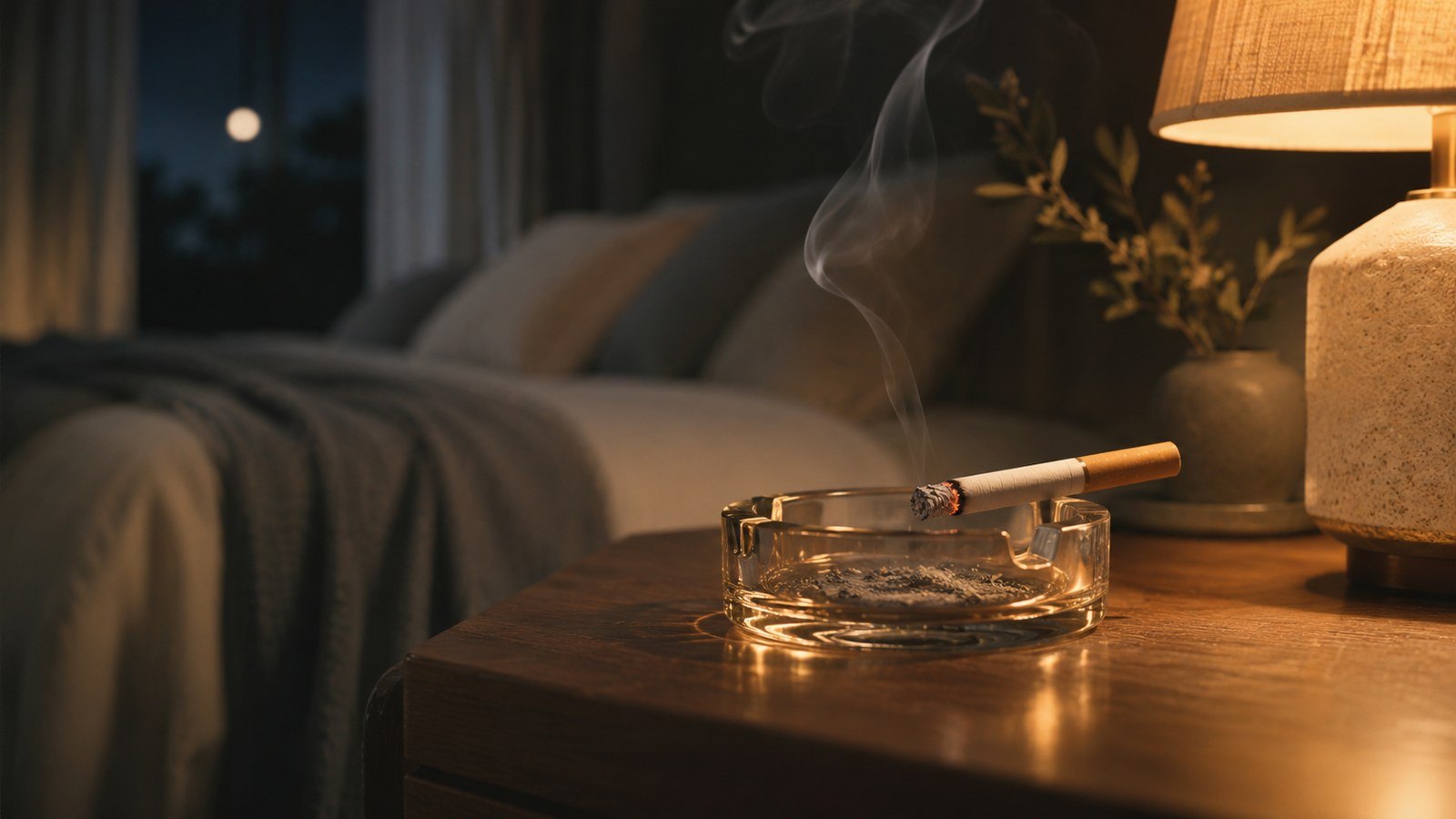
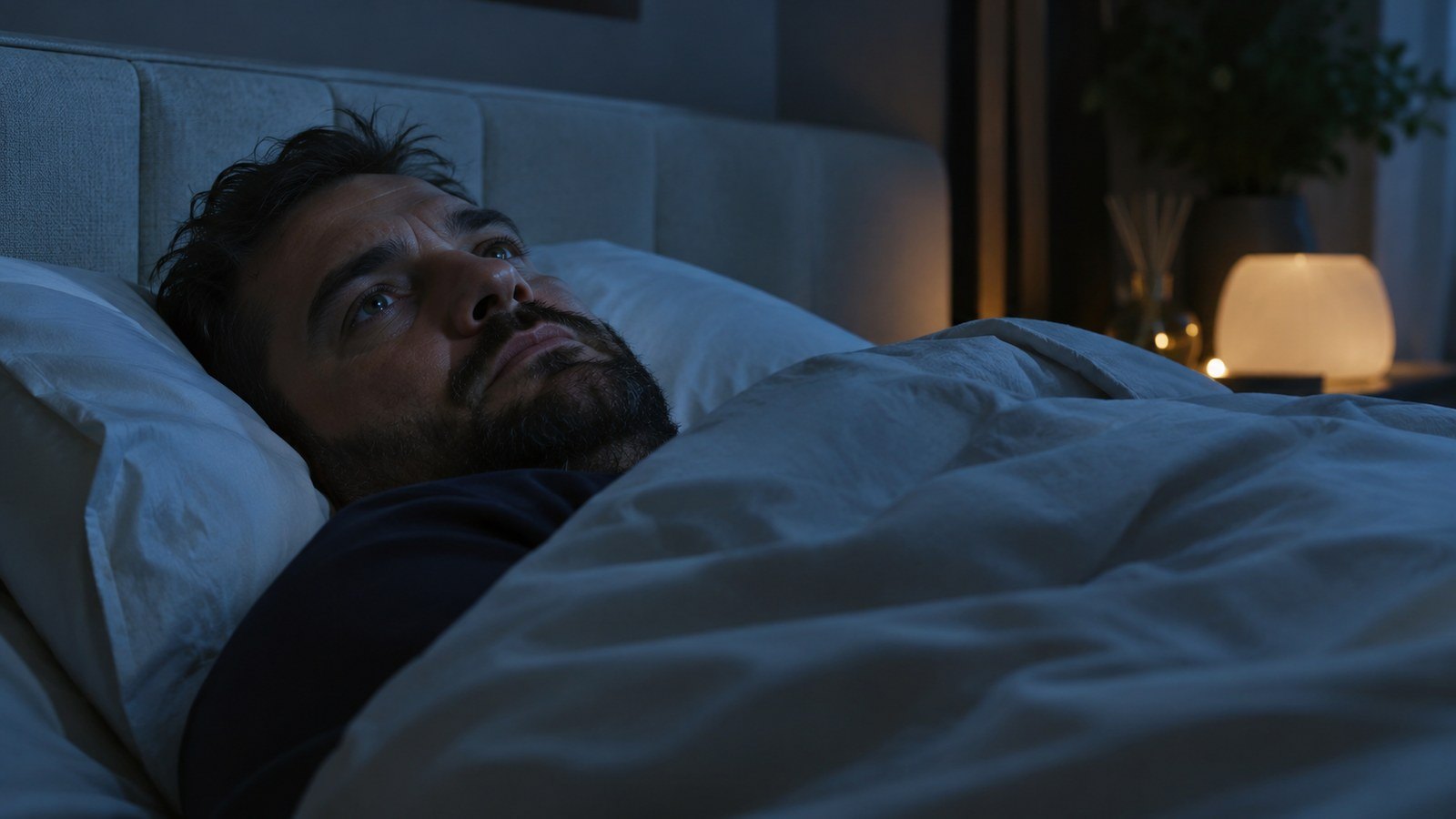
The last cigarette of the evening usually happens in bed: the phone goes dark, the lamp stays on, and the cigarette covers the final ten minutes of the day. Then sleep takes a while to arrive, or it arrives at once and breaks into three or four pieces before dawn. Smoking and sleep are linked in a direct, measurable way, and it does not only affect heavy smokers.
Nicotine is a stimulant: it raises heart rate and blood pressure and keeps the brain in a light state of alert that works against the descent into deep sleep. Tar and the other compounds of combustion irritate the airways and force the body into recovery mode at night, when it should be resting.
This guide looks at what happens to a smoker's sleep, how night-time waking and physical recovery change, and which habits help you sleep better right away. The Luxury Relax review tells the story of a brand built around deep rest, with materials chosen for anyone who wants a clean bedroom and an unbroken night. Let us start with the mechanisms.
How smoking affects sleep
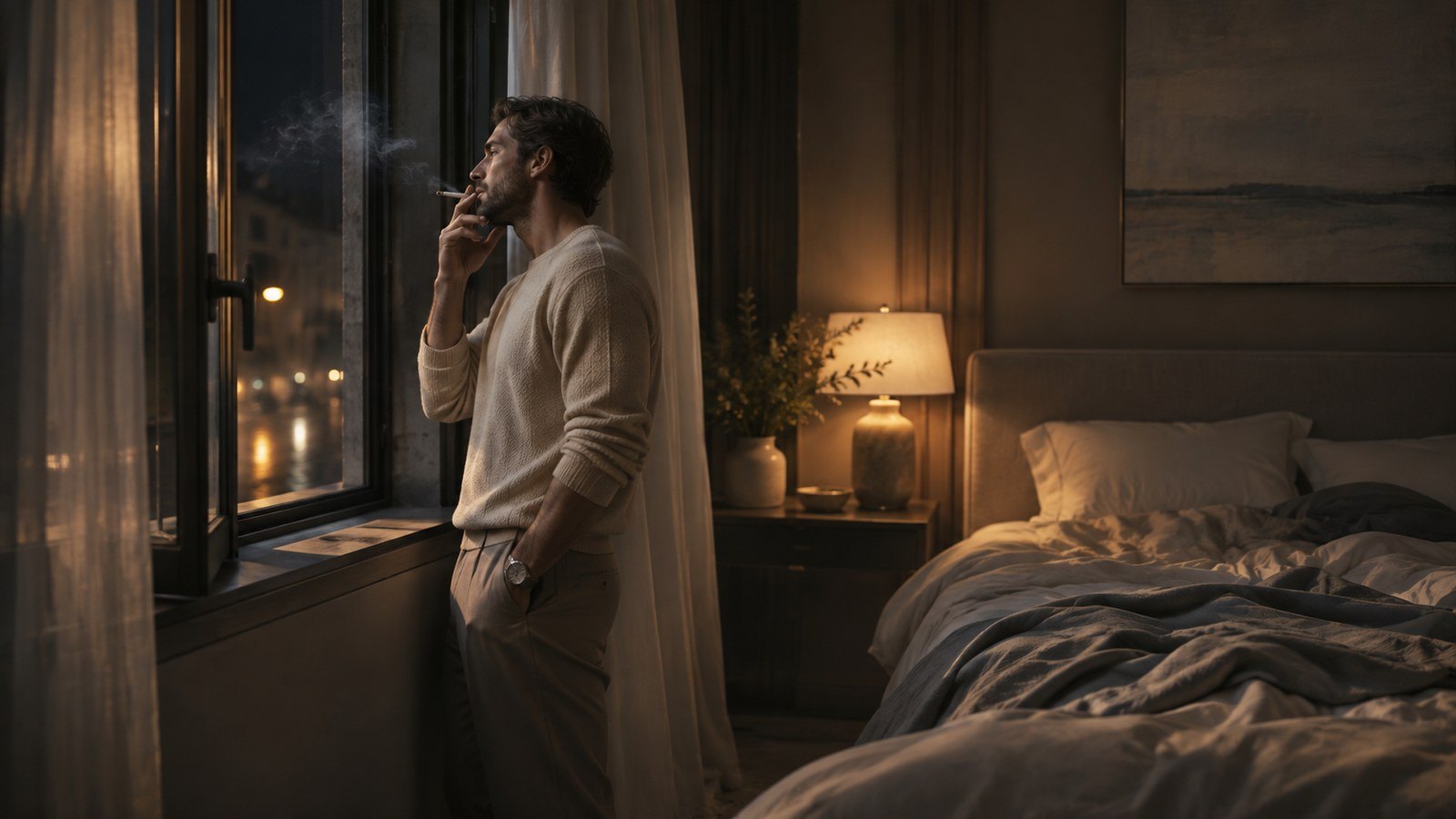
Nicotine reaches the brain within seconds and triggers dopamine and adrenaline. During the day this passes unnoticed; at night it collides with melatonin, the hormone that prepares sleep. Smoking within an hour of going to bed means asking the body to speed up exactly when it should slow down.
The second mechanism is breathing. Smoke irritates the trachea and bronchi and slightly reduces lung capacity overnight: breathing becomes shorter, snoring increases, and micro-apnoeas become more frequent. The result is a night that looks like eight hours but is worth six.
The third mechanism is withdrawal. Overnight the level of nicotine in the blood falls hour by hour, and the body asks for the next dose with gentle but continuous signals: restlessness, moving legs, brief wakings that leave no memory in the morning. Anyone smoking ten cigarettes a day lives this cycle every night.
A last mechanism concerns body temperature. Nicotine has a vasoconstrictor effect: it cools hands and feet and slightly raises heart rate, two signals the body reads as wakefulness. That is why the late cigarette works like a silent alarm, especially for anyone with light sleep or a bedroom that is too warm.
To these factors the habit adds itself: the evening cigarette becomes a ritual, and when it is missing the night stretches. To build a firmer evening routine, our guide to evening rituals lists simple sequences that prepare sleep without stimulants.
Nicotine, night waking and sleep quality
Studies on smokers' sleep agree on three findings: people fall asleep faster, sleep worse and dream less. Total time in bed changes very little; the composition of the night changes a lot.
| Phase of the night | Effect of smoking | What you notice |
|---|---|---|
| Falling asleep | Faster through tiredness, not relaxation | You drop off and wake up groggy |
| Light sleep | Lengthens at the expense of deep sleep | Fragmented night, frequent brief wakings |
| Deep sleep | Falls by 15-20% in regular smokers | Incomplete muscle recovery, morning tiredness |
| REM phase | Shortens and shifts later | Fewer dream memories, flatter mood |
Deep sleep is the phase in which the body repairs muscle and tissue and memory is consolidated. Cutting it by 15-20% means arriving at work with recovery unfinished, even after eight hours in bed. It is not an impression: it is the reason smokers describe their night as long but useless.
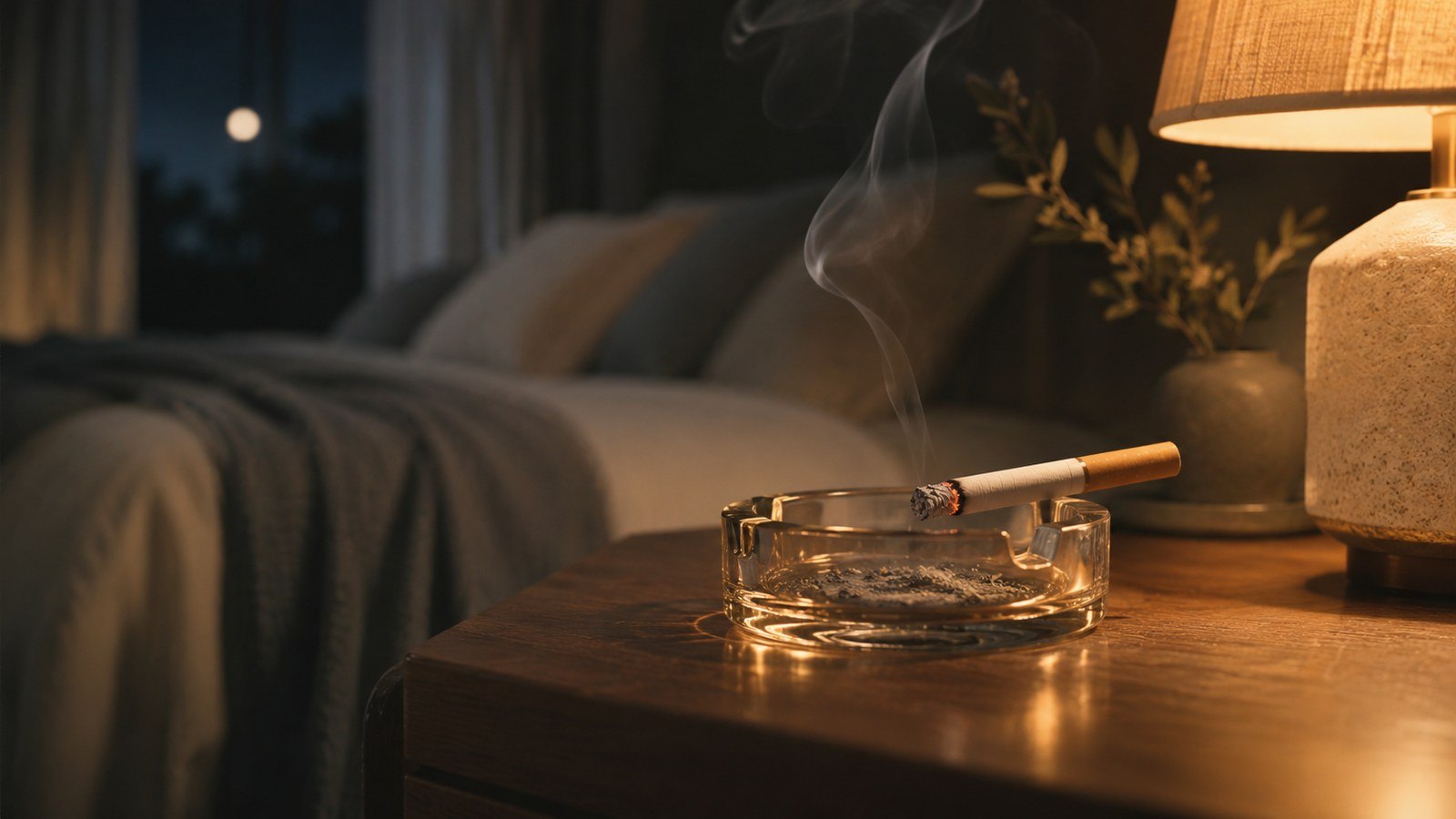
Night wakings are not all the same. Some last a few seconds and only serve to change position; others are real wakings, with the mind starting to think again. Smokers collect mostly the first kind between three and five in the morning, exactly when blood nicotine is at its lowest.
Nicotine also shifts the circadian clock slightly earlier: smokers tend to feel tired earlier in the evening and wake up early, but with a sleep cycle that never finished its work. Our analysis of sleep and caffeine shows a similar mechanism with one difference: caffeine stays in the bloodstream longer and has to be cut off well before late afternoon.
Second-hand smoke, bedroom air and the mattress
The topic concerns non-smokers who live with smokers too. Second-hand smoke deposits nicotine and particulate matter on curtains, pillows and bed surfaces: the bedroom becomes the room where you breathe the same air longest, for six or seven hours straight, with no exchange if the windows stay shut.
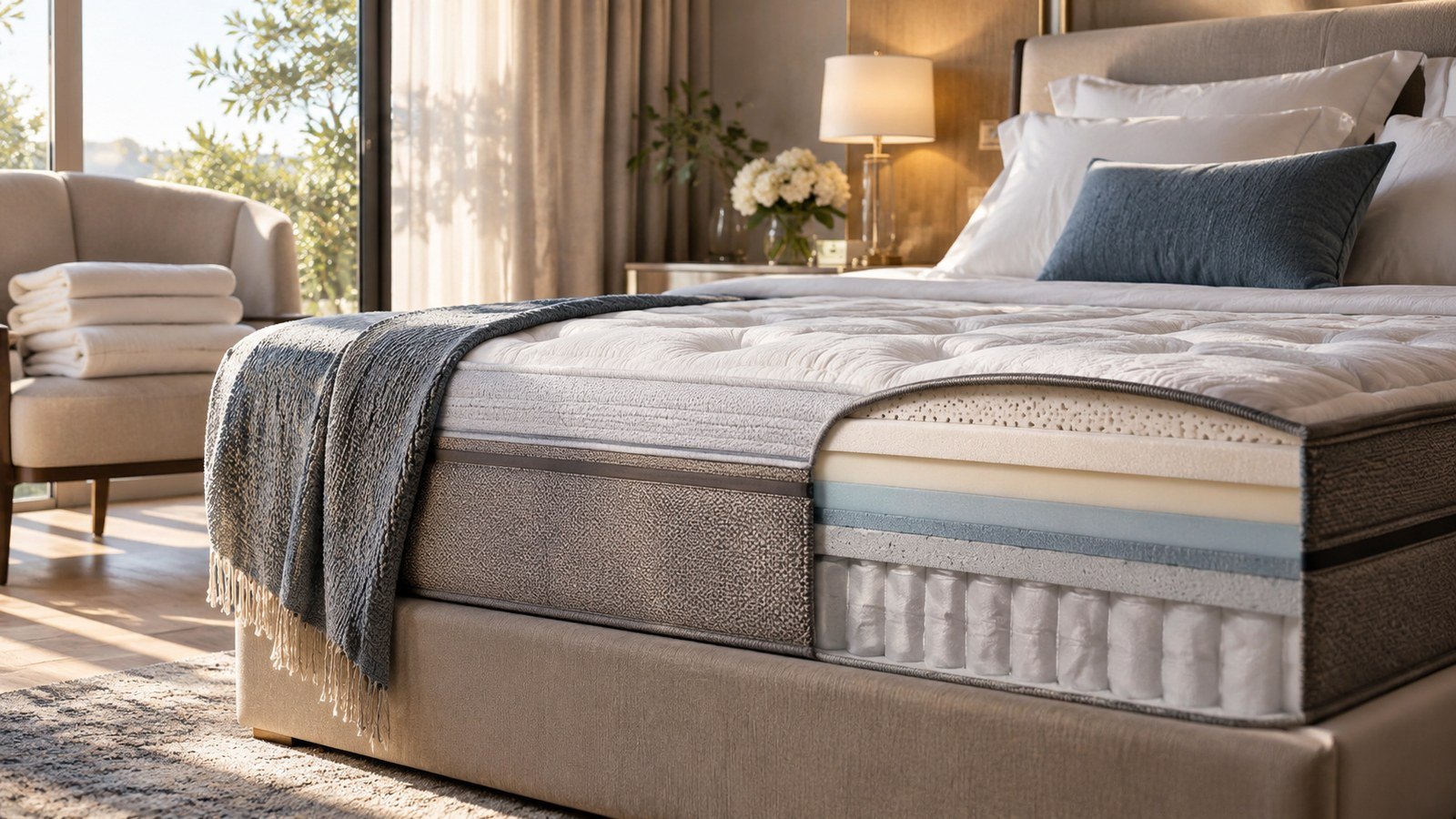
The second victim is the mattress. Cover fibres absorb smells and combustion residues, and body heat releases them during the night. A mattress used in a home where people smoke in the bedroom loses freshness long before its ten expected years, and washing the cover helps but does not remove what has entered the inner layers.
The third consequence concerns the airways. Second-hand smoke and dust add up: dust mites find a warm, damp environment, and anyone with respiratory allergies sleeps worse because of two irritants at once. Our guide to mattress cleaning explains how to keep the top layer of the bed clean, while the page on dust mites in the mattress lists the checks to make every season.
The three measures that really count are simple. First: smoke only outside, never in the bedroom. Second: air the room for ten minutes before sleeping, even in winter. Third: choose a mattress with a washable cover and a breathable band, so smells do not stay trapped in the first centimetres of the surface.
What changes when you quit smoking
The body responds faster than most people expect, and sleep is one of the first indicators. Here is the typical sequence over the first weeks, including the swings almost everyone goes through.
| Time | What happens to sleep |
|---|---|
| First 3 days | More restless sleep, more wakings, vivid dreams |
| Week 1 to week 2 | Slower to fall asleep but deeper sleep |
| After 3-4 weeks | Wakings decline, morning energy grows |
| After 2-3 months | Sleep quality close to someone who never smoked |
The first three days are the hardest: the body clears nicotine and sleep becomes agitated. It is not a real worsening, it is the transition phase. Those who get through it already sleep better in the second week, with shorter wakings and an easier morning.

Two habits make this phase simpler. First: do not replace the evening cigarette with sweets or coffee, because they move the problem instead of solving it. Second: give yourself a bedroom that invites rest, with fresh linen, a temperature around 18-19 degrees and no residual smell.
One detail worth checking is the link between cigarettes and evening alcohol. Many people smoke more after a drink, and alcohol adds its own wakings in the second half of the night: the two together produce the classic night that starts well and ends badly. Our guide to sleep and alcohol measures the effect of each glass on deep sleep.
Another practical step: keep a sleep diary for two weeks. Writing down when the last cigarette was smoked, when you fell asleep and how often you woke is enough to see the correlation. Almost everyone finds that the worst nights follow evenings with more cigarettes after dinner, and that personal evidence is worth more than any generic advice.
Evening habits to sleep better without smoking
Anyone quitting, or simply wanting to remove the cigarette from the end of the day, needs an evening substitute that is not another stimulant. Five habits work in daily practice.
The first is going out: a twenty-minute walk after dinner spends the last nervous energy and stretches the time between the last cigarette and sleep. The second is a warm shower half an hour before bed: heat tells the body it is time to slow down. The third is the empty-room rule: no work, no television, no smoke in the room where you sleep.
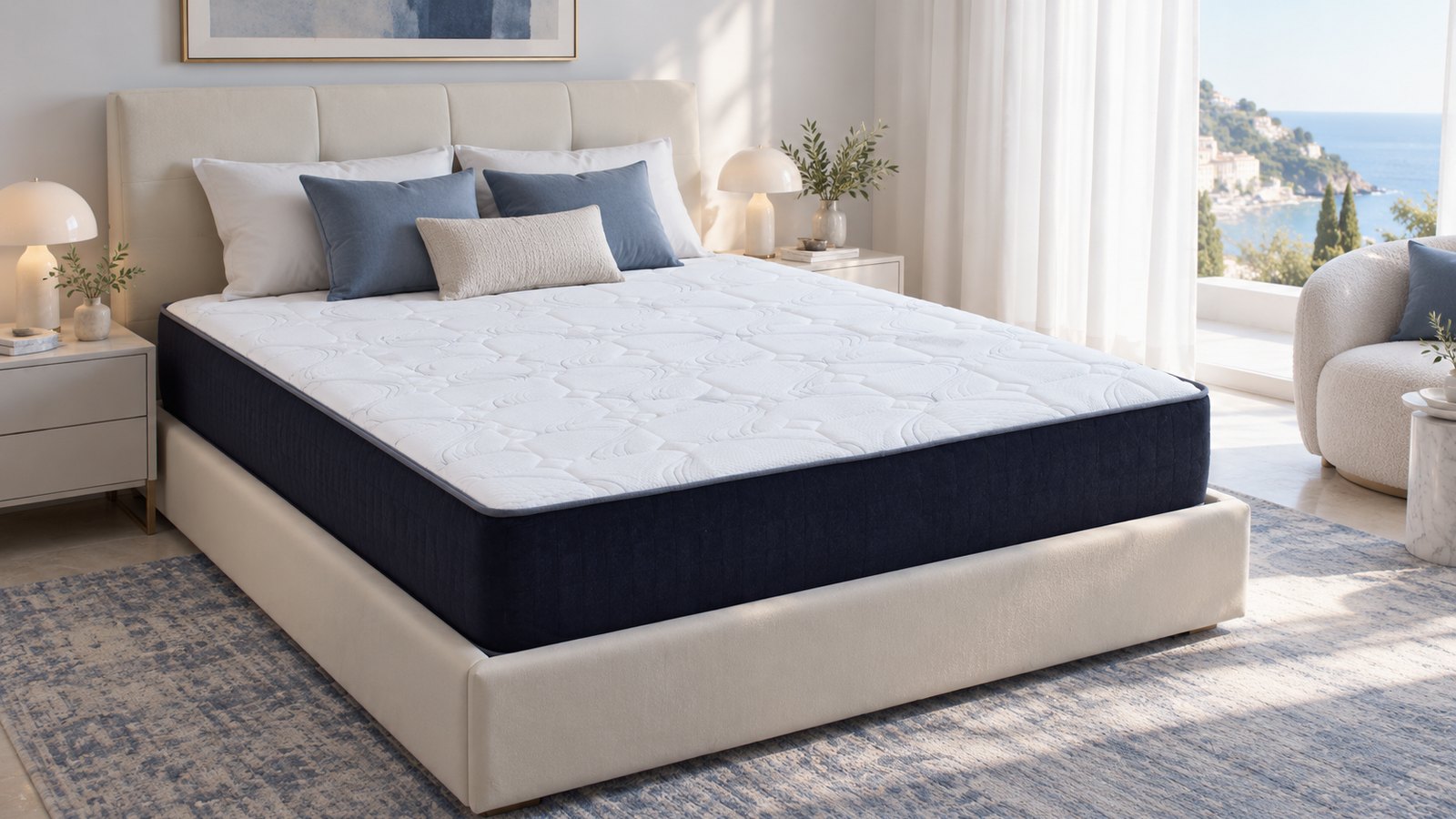
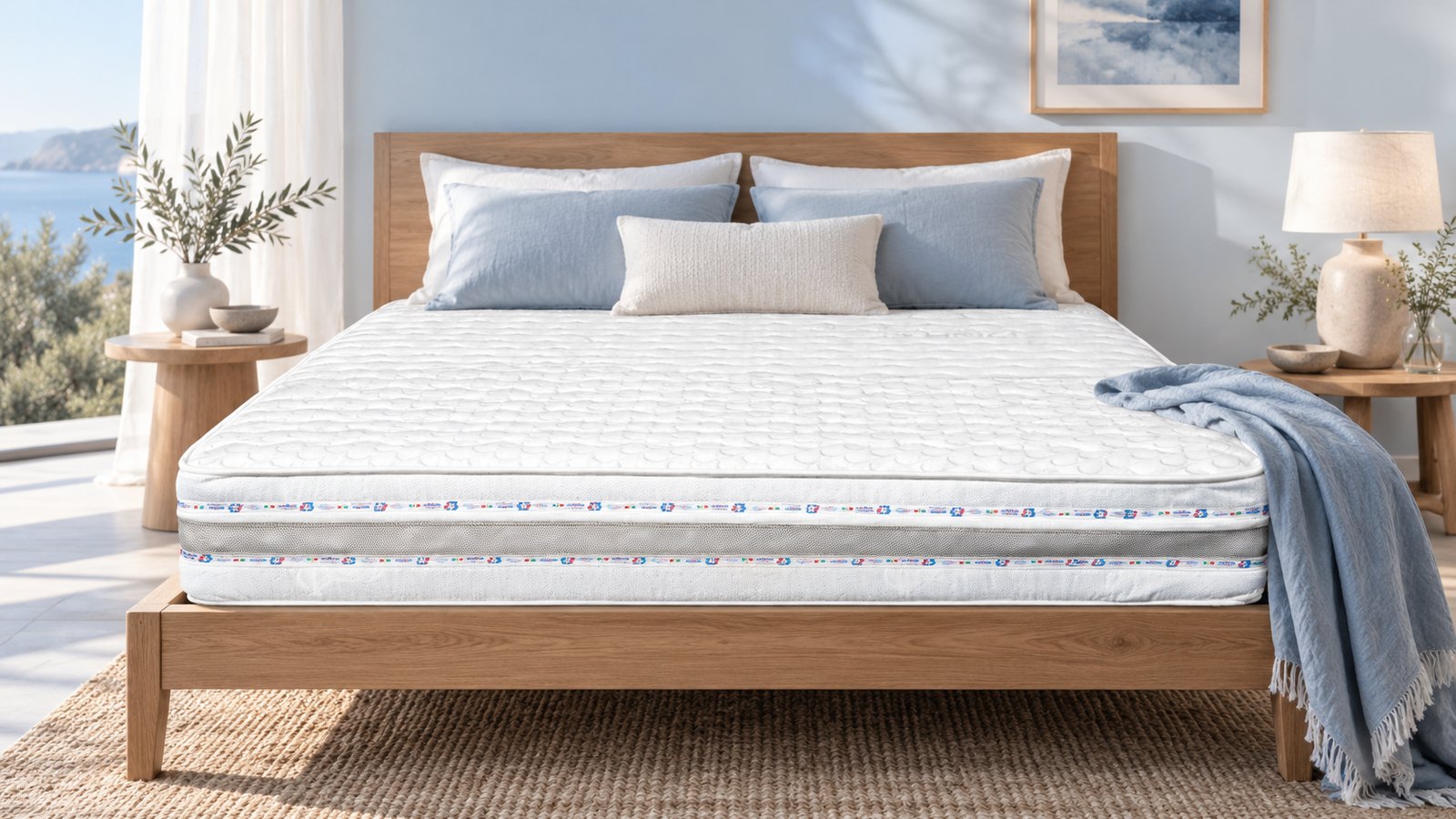
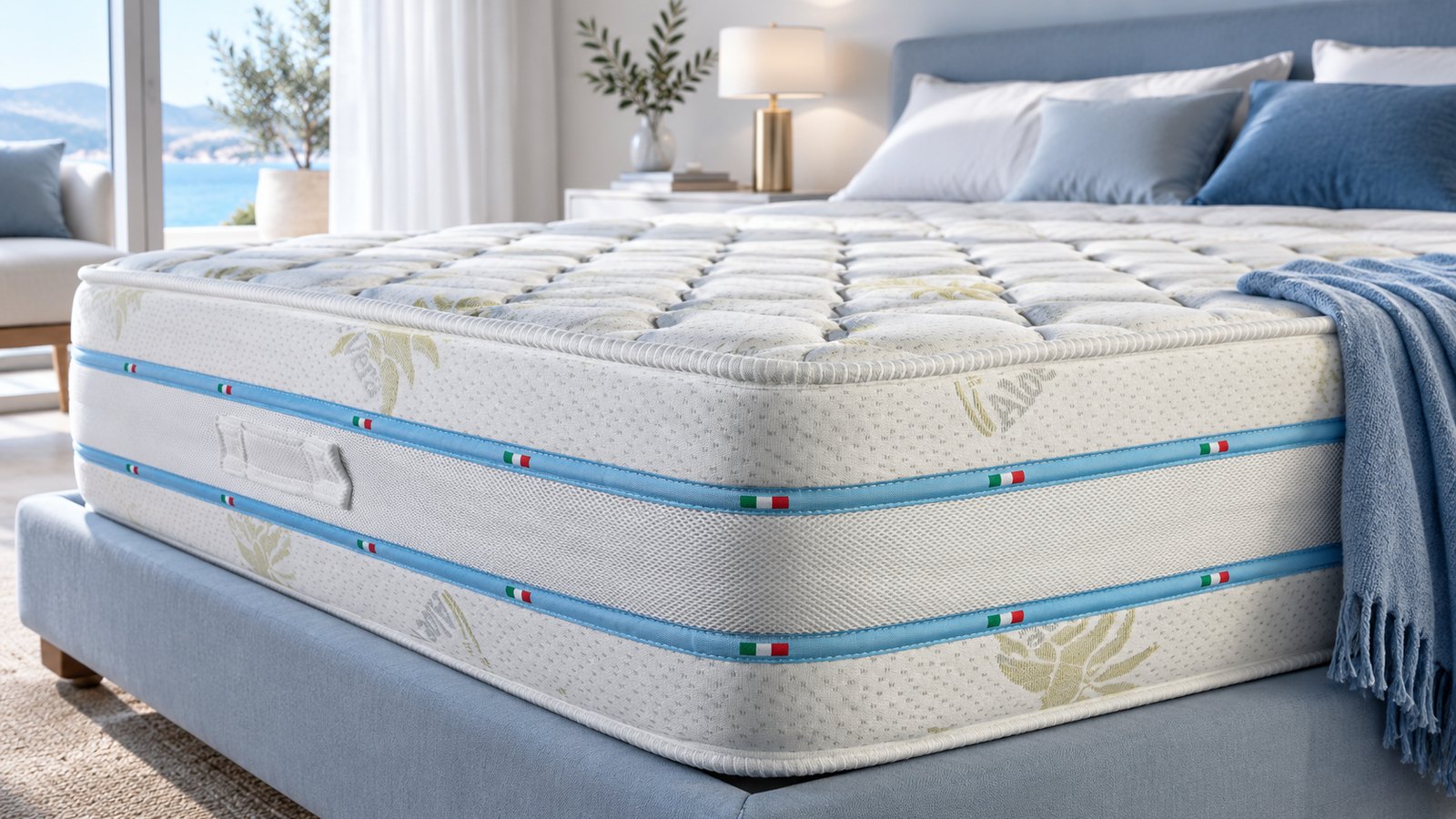
The fourth habit concerns the bed itself. A mattress that supports the spine well reduces night-time micro-movements, and people who sleep on the right surface wake less often even when sleep is agitated. Luxury Relax mattresses use differentiated support, a washable Aloe Vera cover and a breathable 3D band: three features designed for anyone who wants an unbroken night and a clean surface, with 10 trial nights and a 10-year warranty.
The fifth habit is asking for help when it is needed. If sleep stays fragmented for weeks, a conversation with a specialist is worth more than any do-it-yourself remedy. For a free consultation on the right mattress, the contact form is the fastest route: sector experts answer quickly with concrete guidance on sizes, firmness and materials.
There is also a weekend effect worth knowing. Many smokers try to recover lost sleep by staying in bed longer on Saturday morning, but nicotine-related sleep debt is not repaid by extra hours: the night remains light and fragmented. Better to keep the same wake-up time every day and to fix the evening habits, because that is where the damage is done.
The recovering smoker's bedroom deserves one more check: curtains, pillows and mattress protector. These are the surfaces that hold smoke residue longest, and washing them at 60 degrees twice a season keeps the air in the room neutral. A mattress with a removable, washable cover makes the job easy and keeps the sleeping surface fresh for years.
Frequently asked questions
How long before bed should I stop smoking? Ideally, no smoking in the two hours before sleep. Nicotine takes about 40-60 minutes to fall in the blood, but the stimulant effect on the nervous system lasts longer: a cigarette at 10 pm makes an 11 pm bedtime harder even when tiredness is strong.
Does the electronic cigarette disturb sleep in the same way? Electronic cigarettes contain nicotine, so they keep the stimulant effect and the night-time withdrawal cycle. Combustion and part of the particulate are missing, but the sleep disturbance linked to nicotine remains: evening vaping still lightens deep sleep.
Does smoking less during the day improve the night? Yes, in proportion. Every cigarette removed after 6 pm turns into more regular sleep. Cutting down is already a useful step: the night improves before quitting completely.
Does second-hand smoke in the bedroom disturb a non-smoker's sleep? Yes. Particulate and smells deposited on pillows and mattress keep the airways mildly irritated all night. Smoking outside and airing the bedroom before sleep clearly reduces wakings for anyone sharing the bed.
How long after quitting do you sleep better? Most people notice the difference between the second and the fourth week: fewer wakings, deeper sleep, a lighter morning. In the first three days sleep can get worse: it is the transition phase and it is short.
Do you need a special mattress after years of smoking? No dedicated model is needed, but a washable and breathable surface makes a real difference. Luxury Relax mattresses have a washable Aloe Vera cover, a perimeter 3D band and anti-mite, anti-allergy layers: a combination that suits anyone who wants a clean bedroom and an unbroken night, with free delivery in 24/48 hours throughout Italy.
Do cigars and pipes affect sleep the same way? Yes, because of nicotine and combustion. Even without deep inhalation, stimulants and residues enter the room where you sleep. Quantity matters: less nicotine means less disturbance, but smoking in the evening remains the heaviest variable on sleep quality.
Does smoking affect dreams? Yes. Smoking shortens and delays the REM phase, the stage where most dreams are produced and remembered. Smokers often report fewer and flatter dreams, and the vivid dreams of the first quitting weeks are a sign that REM sleep is returning to its natural place in the night.
Can you sleep well if your partner smokes in the bedroom? Yes, with two shared rules: the partner smokes only outside the bedroom and outside the home, and the room is aired for ten minutes before sleeping. Under these conditions a non-smoker cuts night-time exposure to a minimum, and sleep quality returns to acceptable levels within a few weeks. If the cigarette indoors is not negotiable, at least removing it from the late evening hours makes a real difference for both people.
Ideal Mattress Configurator in 3 Clicks
Answer 3 questions and see which Luxury Relax model fits your sleep best.
Step 1 of 3
Images from this guide

How long before bed should I stop smoking?
Ideally, no smoking in the two hours before sleep. Nicotine takes about 40-60 minutes to fall in the blood, but the stimulant effect on the nervous system lasts longer: a cigarette at 10 pm makes an 11 pm bedtime harder even when tiredness is strong.
Does the electronic cigarette disturb sleep in the same way?
Electronic cigarettes contain nicotine, so they keep the stimulant effect and the night-time withdrawal cycle. Combustion and part of the particulate are missing, but the sleep disturbance linked to nicotine remains: evening vaping still lightens deep sleep.
Does smoking less during the day improve the night?
Yes, in proportion. Every cigarette removed after 6 pm turns into more regular sleep. Cutting down is already a useful step: the night improves before quitting completely.
Does second-hand smoke in the bedroom disturb a non-smoker's sleep?
Yes. Particulate and smells deposited on pillows and mattress keep the airways mildly irritated all night. Smoking outside and airing the bedroom before sleep clearly reduces wakings for anyone sharing the bed.
How long after quitting do you sleep better?
Most people notice the difference between the second and the fourth week: fewer wakings, deeper sleep, a lighter morning. In the first three days sleep can get worse: it is the transition phase and it is short.
Do you need a special mattress after years of smoking?
No dedicated model is needed, but a washable and breathable surface makes a real difference. Luxury Relax mattresses have a washable Aloe Vera cover, a perimeter 3D band and anti-mite, anti-allergy layers: a combination that suits anyone who wants a clean bedroom and an unbroken night, with free delivery in 24/48 hours throughout Italy.
Do cigars and pipes affect sleep the same way?
Yes, because of nicotine and combustion. Even without deep inhalation, stimulants and residues enter the room where you sleep. Quantity matters: less nicotine means less disturbance, but smoking in the evening remains the heaviest variable on sleep quality.
Does smoking affect dreams?
Yes. Smoking shortens and delays the REM phase, the stage where most dreams are produced and remembered. Smokers often report fewer and flatter dreams, and the vivid dreams of the first quitting weeks are a sign that REM sleep is returning to its natural place in the night.
Can you sleep well if your partner smokes in the bedroom?
Yes, with two shared rules: the partner smokes only outside the bedroom and outside the home, and the room is aired for ten minutes before sleeping. Under these conditions a non-smoker cuts night-time exposure to a minimum, and sleep quality returns to acceptable levels within a few weeks. If the cigarette indoors is not negotiable, at least removing it from the late evening hours makes a real difference for both people.
Request your free consultation
Fill in the form: a Luxury Relax expert will get back to you with the proposal that suits you best.
What Luxury Relax owners say
On my dad's advice, already a customer, I went to Luxury Relax to buy a mattress. Very comfortable and ergonomic products.
Quality products, helpful and knowledgeable staff. Highly recommended to anyone looking for a real mattress, not a brand name.
I got rid of the back pain that had followed me for years. The right mattress changes your days.
Come visit us
Luxury Relax Materassi
Via San Rocco, 42 - 20831 Seregno (Monza e della Brianza), Italia0362 222407 · info@luxuryrelax.it · WhatsApp 339 4797213
Open in Google MapsDirect Italy Logistics & Seregno Showroom
Direct delivery and support in Seregno (MB) & all of Italy
- Delivery window: Free 24/48h shipping across Italy
- Included cover: 10-night home trial + 10-year Luxury Relax warranty
- Showroom address: Luxury Relax Materassi, Via San Rocco, 42 - 20831 Seregno (Monza e della Brianza)