Rest Trends 2026: Materials, Sustainability and Made in Italy
Request your free consultation
Fill in the form: a Luxury Relax expert will get back to you with the proposal that suits you best.
Every year the mattress market discovers a new word and sells it as a revolution. Last decade it was memory foam, then hybrid, then cooling gel, then the smart bed that tells you how you slept. In 2026 the vocabulary has shifted again, toward sustainability, transparency and provenance, and as usual the honest buyer has to separate what genuinely improves sleep from what merely improves a brochure.
The good news is that the trends genuinely worth following this year are the ones that were always going to matter regardless of fashion: real materials used at the right density, honest pricing, repairable and washable construction, and manufacturing that can be traced rather than claimed. The bad news is that these virtues are easy to imitate in language and hard to fake in a product, which is exactly why the 2026 buyer needs a sharper eye than the 2020 one.
This article looks at where rest is heading in 2026 — the materials, the sustainability conversation, the technology, and the marketing to ignore — and connects each trend to the purchase decision in front of you. It ends where every honest guide should, at the point where research turns into a conversation with an expert, because in 2026 the deciding factor is still a person who understands your body, your room and your budget, and who can translate all three into a single recommendation you can try at home.
The Materials Reshaping 2026
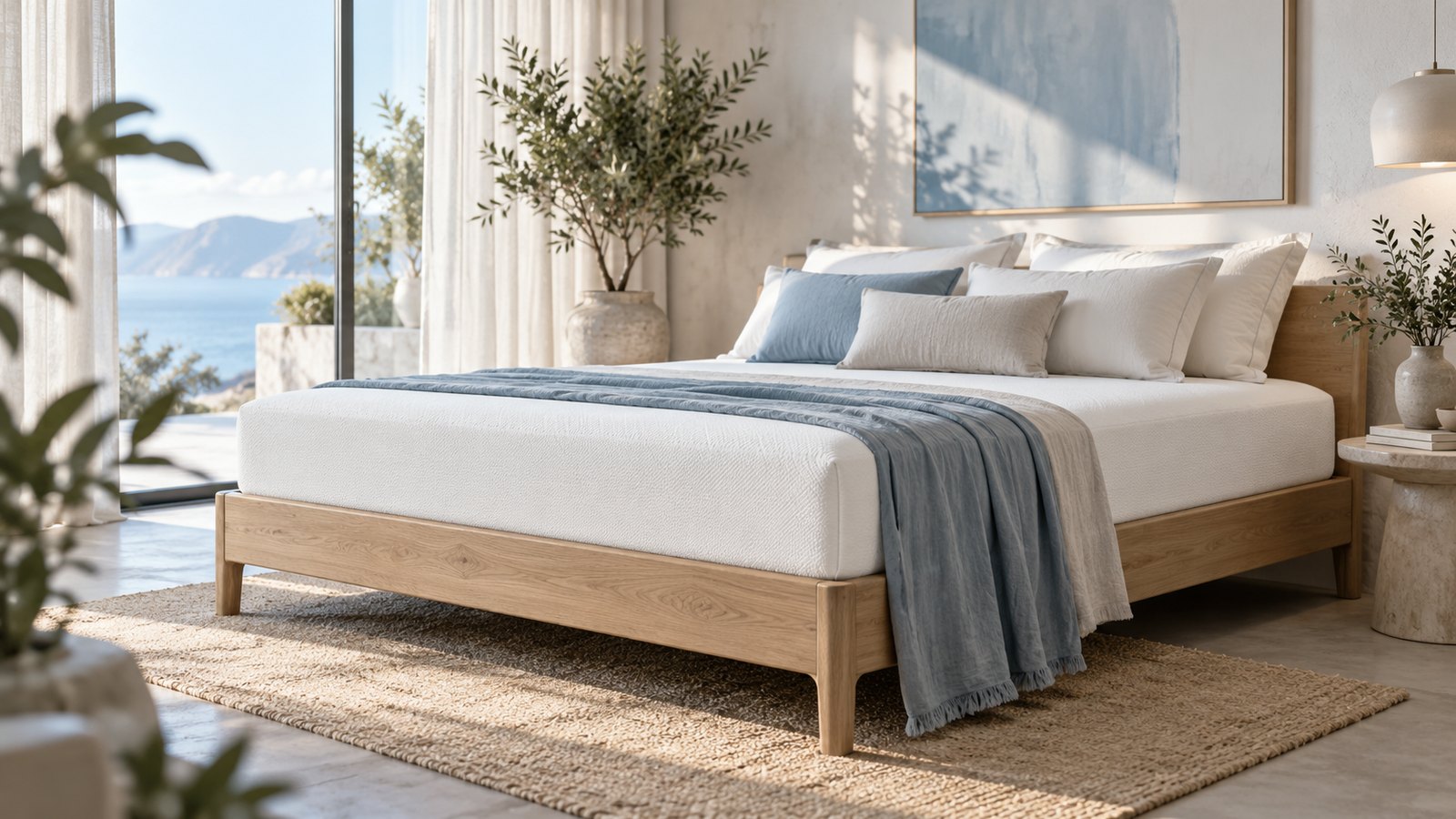
The most meaningful material trend of 2026 is the decline of the single-material mattress. Buyers have learned that no one substance does everything well: memory foam contours but can trap heat, latex breathes but isolates motion poorly, springs support but need a deep comfort layer. The result is a market that has moved decisively toward layered construction, where each layer does one job properly.
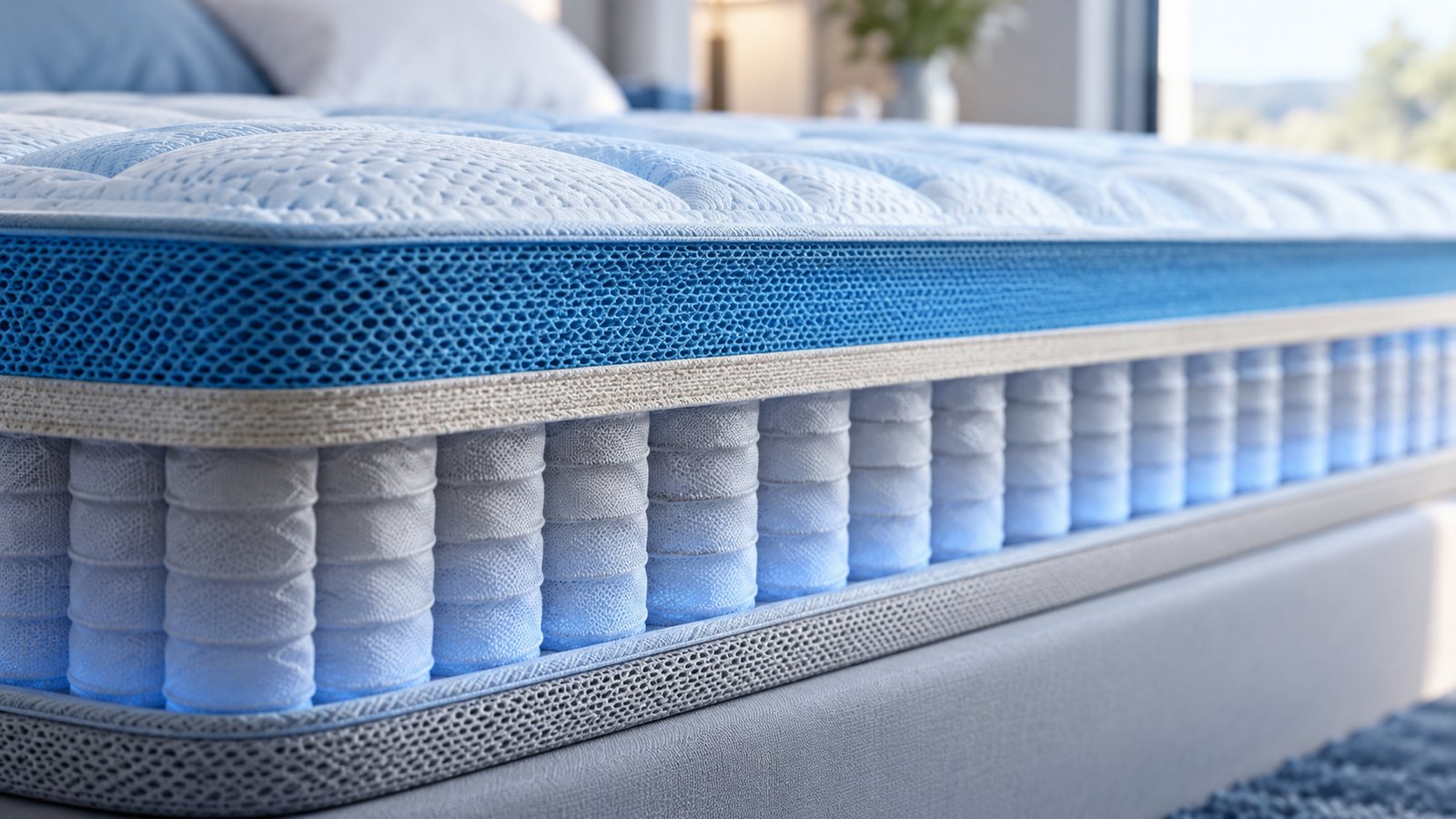
At the centre of that shift sits the pairing of a thermosensitive memory layer with a high-density support base. Memory foam earned its place because it responds to body heat and pressure, contouring at the shoulder and hip where pressure builds. The base earned its place because it carries the load and keeps the lumbar spine from sinking. Together they resolve the old tension between softness and support, which is why the best 2026 builds are layered rather than uniform.
Breathable engineering is the second material story of the year. A breathable 3D perimeter band around the core lets air circulate from the edges inward, tackling the heat trap that made early memory foam unpopular. Alongside it, covers have become functional rather than decorative: washable fabrics, aloe vera treatments and anti-mite finishes turn hygiene into a feature instead of an afterthought. In 2026, the cover is part of the sleep system, not packaging.
What has quietly declined is the gimmick material. Powders, sprays and thin decorative layers that claim to cool or purify rarely survive scrutiny, because they add cost without adding support. The buyer who understands what each layer is for can ignore them entirely and concentrate on density, thickness and construction, which is where the real differences live. That single shift in attention is worth more than any new material launched this year.
Sustainability and the Made in Italy Advantage
Sustainability was once a marketing theme; in 2026 it is a measurable expectation. Buyers increasingly ask where a mattress is made, how long it will last and whether it can be cleaned and maintained rather than replaced. The most sustainable mattress is, unglamorously, the one you keep for a decade, which puts durability at the centre of the environmental conversation.
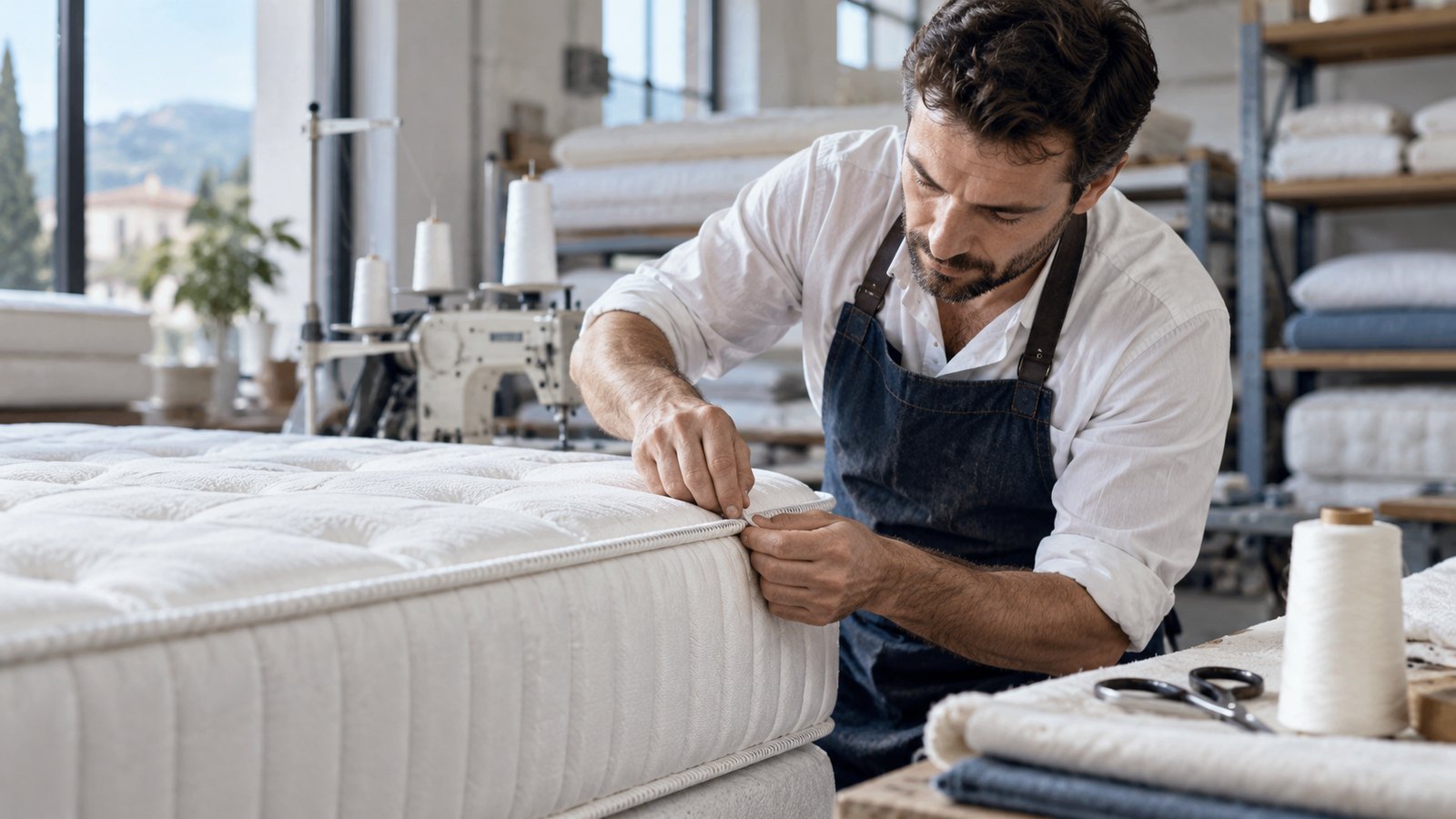
Made in Italy sits naturally in that frame. Luxury Relax Materassi produces and sells its own mattresses in Italy, with its workshop and showroom at Via San Rocco 42, 20831 Seregno, in the province of Monza and Brianza. Manufacturing close to home shortens supply chains, supports local craft and keeps the production of each bed visible rather than hidden behind a container port. For buyers who care about provenance, it is a concrete answer rather than a slogan, and one that can be verified at an address rather than inferred from a label.
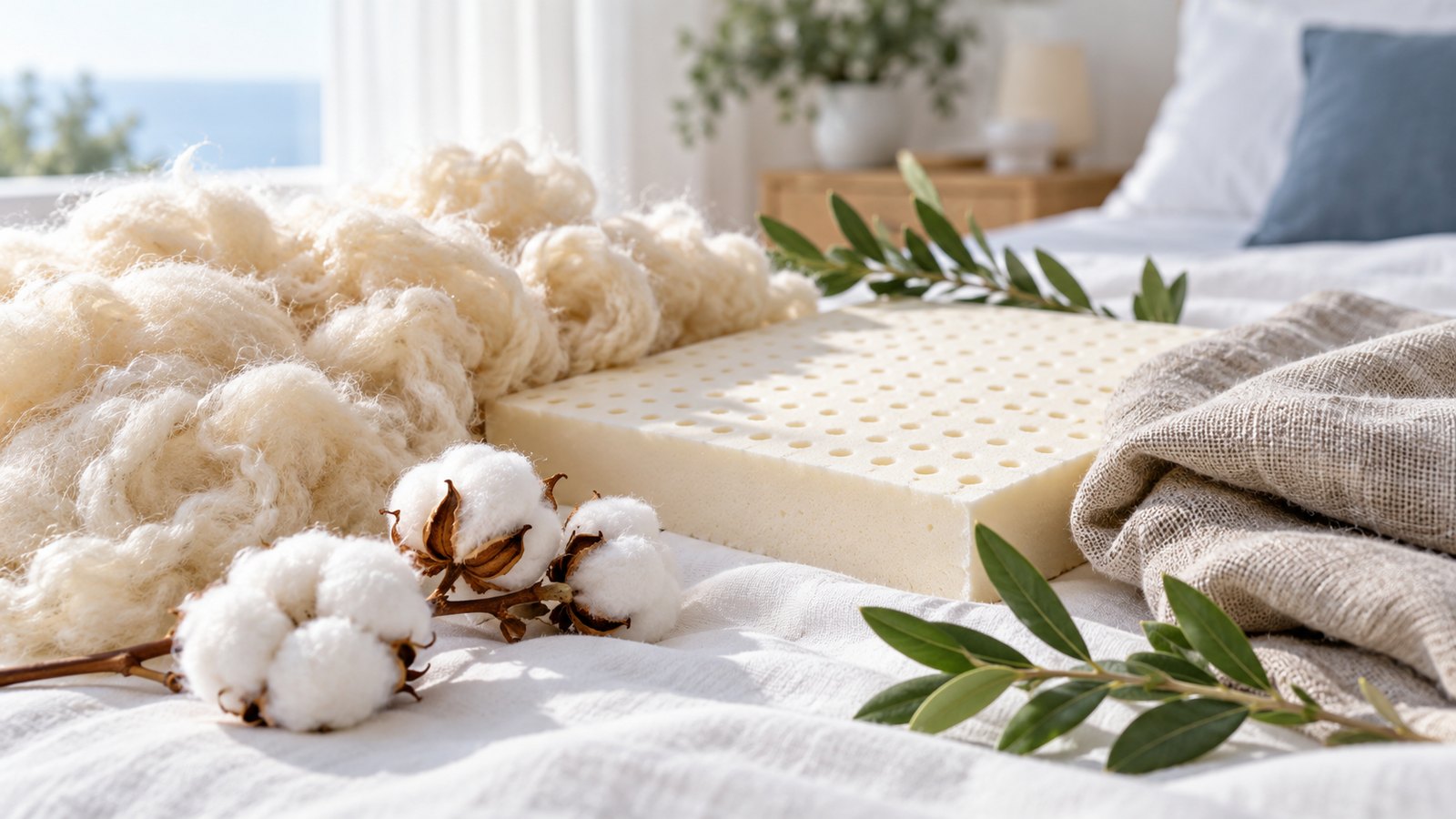
Durability is the other half of the story, and it is where construction choices pay off environmentally as well as financially over the whole life of the product, not just on the day of purchase. A high-density support core resists sagging for years, a washable cover keeps the surface hygienic so the mattress is not discarded early, and a ten-year warranty reflects an expectation of a long life rather than a short one. A mattress that serves a decade is the least wasteful option available, whatever material it is made from.
Honest pricing belongs here too. Luxury Relax publishes both discounted and list prices rather than hiding behind a permanent sale, so buyers can judge value rather than decode a discount. Transparency of that kind is quiet but it is a sustainability of its own: it keeps the market honest and reduces the churn of purchases made in confusion and regretted in haste. A market that explains itself produces fewer wasted mattresses, and that is an environmental gain as much as a financial one.
Sleep Technology That Actually Helps
It is worth being sceptical about technology claims, because most of what is sold as innovation changes nothing about how you sleep. A mattress cannot diagnose you, and the presence of a sensor does not make a surface more supportive. The technology that genuinely helps is invisible: it is the thermal response of a memory layer, the density of the base, the airflow of the perimeter band and the washability of the cover.
Thermosensitivity is a good example of quiet technology. A memory layer that softens under body heat adapts to the sleeper’s shape rather than fighting it, which is why it suits so many different bodies. There is no app involved and nothing to charge; the intelligence is in the material and its response to temperature and load. This is the kind of innovation that improves every night without asking for attention.
Differential support is another. By tuning a mattress to be firmer under the lumbar spine and softer under the shoulders and hips, a build can keep the spine neutral regardless of position. This is engineering rather than gadgetry, and it is achieved with layers rather than electronics. For the vast majority of sleepers, this is the technology that matters, and it is the one that marketing tends to skip because it is hard to photograph.
Handles, breathable bands, removable covers and anti-mite treatments round out the genuinely useful features. Each one solves a real, recurring problem: rotating a heavy mattress, cooling a warm bedroom, washing a surface used every night, controlling allergens. Taken together, they represent the honest definition of a modern mattress. None of them makes headlines, and all of them make a difference every single night, which is a fair summary of what counts as real progress in 2026.
How to Choose Well in 2026
The 2026 buyer has more information and more noise than ever, so the method matters far more than the raw data on any single product page. Start with your body and your room: weight, sleeping position, whether you share the bed, and the dimensions the mattress must fit. Those four facts eliminate most of the market before you spend a minute comparing products.
Then judge construction before brand. Look for a genuine comfort layer over a high-density base, a breathable structure, a washable cover and a warranty long enough to signal confidence. Those are the features that survive the showroom and the first year. A model that offers them all is worth more than a famous name that offers them in the copy but not the build.
| What to look for in 2026 | Why it matters |
|---|---|
| High-density support core | Keeps its shape for a decade |
| Genuine memory comfort layer | Contours joints, relieves pressure |
| Breathable 3D perimeter band | Moves heat away from the core |
| Removable, washable cover | Hygiene and longer life |
| Ten-year warranty and trial nights | Confidence and a safety net |
Finally, buy from someone willing to be judged. A maker who publishes its prices, offers a real warranty and lets you sleep on the product for trial nights is transferring the risk away from you. That is the single most reliable signal in the market, and it cuts through more marketing noise than any badge, award or headline claim ever will. For a direct comparison of how the leading models perform against these criteria, our complete mattress ranking lays out the field model by model.
What to Ignore in 2026 Marketing
Learn to recognise the phrases that mean nothing. A permanent sale is not a discount; it is the price. A cooling claim without a breathable structure is decoration. A high coil count without good foam above it is a number, not a benefit. Certification logos are worth checking but rarely change how a mattress feels under your body.
Be sceptical of any claim that promises to fix a medical condition. A mattress can improve comfort, posture and temperature, and those changes often make sleep feel better, but it is not a treatment and no honest maker should pretend otherwise. If you have persistent pain or a sleep disorder, that conversation belongs with a health professional, not a product page.
Equally, ignore the pressure to buy by size of the discount rather than fit. The trendiest product at the deepest markdown is a poor deal if it does not support your body or fit your room. The 2026 buyer who resists urgency and chooses on construction and fit will spend less over a decade than the one who chases the loudest offer every two years. Patience is, in the end, the most underrated feature in the whole market.
Put the trends to work rather than collecting them. Understand the layer system, demand honest pricing and a real warranty, and let a genuine trial period be your final test rather than a showroom demonstration. If back support is your priority, our back pain guide shows how to match a model to your posture; if you want the layer-by-layer reasoning, the mattress buying guide is the place to continue. When you are ready to move from trend to decision, open the contact page and request a free consultation. Ten nights in your own bedroom will tell you more about 2026 than any trend report ever could.
Frequently Asked Questions
What are the biggest mattress trends in 2026? Layered construction, breathable engineering, washable covers and Made in Italy provenance. Buyers are moving away from single-material mattresses and toward builds that combine a memory comfort layer with a high-density support base.
Are smart mattresses worth it? Rarely. Sensors and apps do not improve support or pressure relief. The technology that genuinely helps is invisible: thermal response, base density, airflow and a washable cover, none of which need charging.
Is Made in Italy better for a mattress? It offers traceable provenance, shorter supply chains and local craft, and it usually comes with a maker you can contact directly. For buyers who value durability and transparency, it is a meaningful advantage.
What should I avoid when buying a mattress in 2026? Permanent sales, cooling claims without a breathable structure, high coil counts without good foam, and anything promising to fix a medical condition. Choose on construction, fit and a real warranty instead.
How long should a 2026 mattress last? A well-built mattress with a high-density core and a washable cover should last around a decade. That durability is both the better environmental choice and the better value over time.
How do I test a mattress in 2026? Buy from a maker that offers genuine trial nights. Ten nights at home reveal how your shoulder, back and temperature respond far better than a showroom visit ever can.
What are the biggest mattress trends in 2026?
Layered construction, breathable engineering, washable covers and Made in Italy provenance. Buyers are moving away from single-material mattresses and toward builds that combine a memory comfort layer with a high-density support base.
Are smart mattresses worth it?
Rarely. Sensors and apps do not improve support or pressure relief. The technology that genuinely helps is invisible: thermal response, base density, airflow and a washable cover, none of which need charging.
Is Made in Italy better for a mattress?
It offers traceable provenance, shorter supply chains and local craft, and it usually comes with a maker you can contact directly. For buyers who value durability and transparency, it is a meaningful advantage.
What should I avoid when buying a mattress in 2026?
Permanent sales, cooling claims without a breathable structure, high coil counts without good foam, and anything promising to fix a medical condition. Choose on construction, fit and a real warranty instead.
How long should a 2026 mattress last?
A well-built mattress with a high-density core and a washable cover should last around a decade. That durability is both the better environmental choice and the better value over time.
How do I test a mattress in 2026?
Buy from a maker that offers genuine trial nights. Ten nights at home reveal how your shoulder, back and temperature respond far better than a showroom visit ever can.
What Luxury Relax owners say
Su consiglio di mio papà già cliente mi sono recato da Luxury Relax per l'acquisto di un materasso. Prodotti molto comodi ed ergonomici.
Prodotti di qualità, personale disponibile e competente. Consigliatissimo a chi cerca un materasso vero, non un nome.
Ho risolto i dolori alla schiena che mi accompagnavano da anni. Il materasso giusto cambia le giornate.
Come visit us
Luxury Relax Materassi
Via San Rocco, 42 — 20831 Seregno (Monza e della Brianza), Italia0362 222407 · info@luxuryrelax.it
Open in Google Maps