Mattress Topper: When You Need One and How to Choose
Request your free consultation
Fill in the form: a Luxury Relax expert will get back to you with the proposal that suits you best.
A mattress topper is the most misunderstood product in the bedroom. It is sold as a fix for everything from a hard mattress to a lumpy one, yet it works brilliantly in some situations and does almost nothing in others. Understanding which of the two you are in saves money and, just as often, saves a perfectly good mattress from being replaced for the wrong reason.
A topper is a layer of comfort that sits on top of the mattress. It can soften a surface that is too firm, add pressure relief where shoulders and hips need it, or freshen a mattress whose cover has seen better days. What it cannot do is restore support that has gone. A sagging mattress under a topper is still a sagging mattress, and the topper will follow the sag rather than fix it.
This guide explains when a topper genuinely helps, how to choose the right thickness and material, and how to size one properly. For anyone considering the upgrade, the memory foam toppers from the Luxury Relax range are a useful reference, and we use them to illustrate what a good topper should do.
When a Topper Helps and When It Does Not
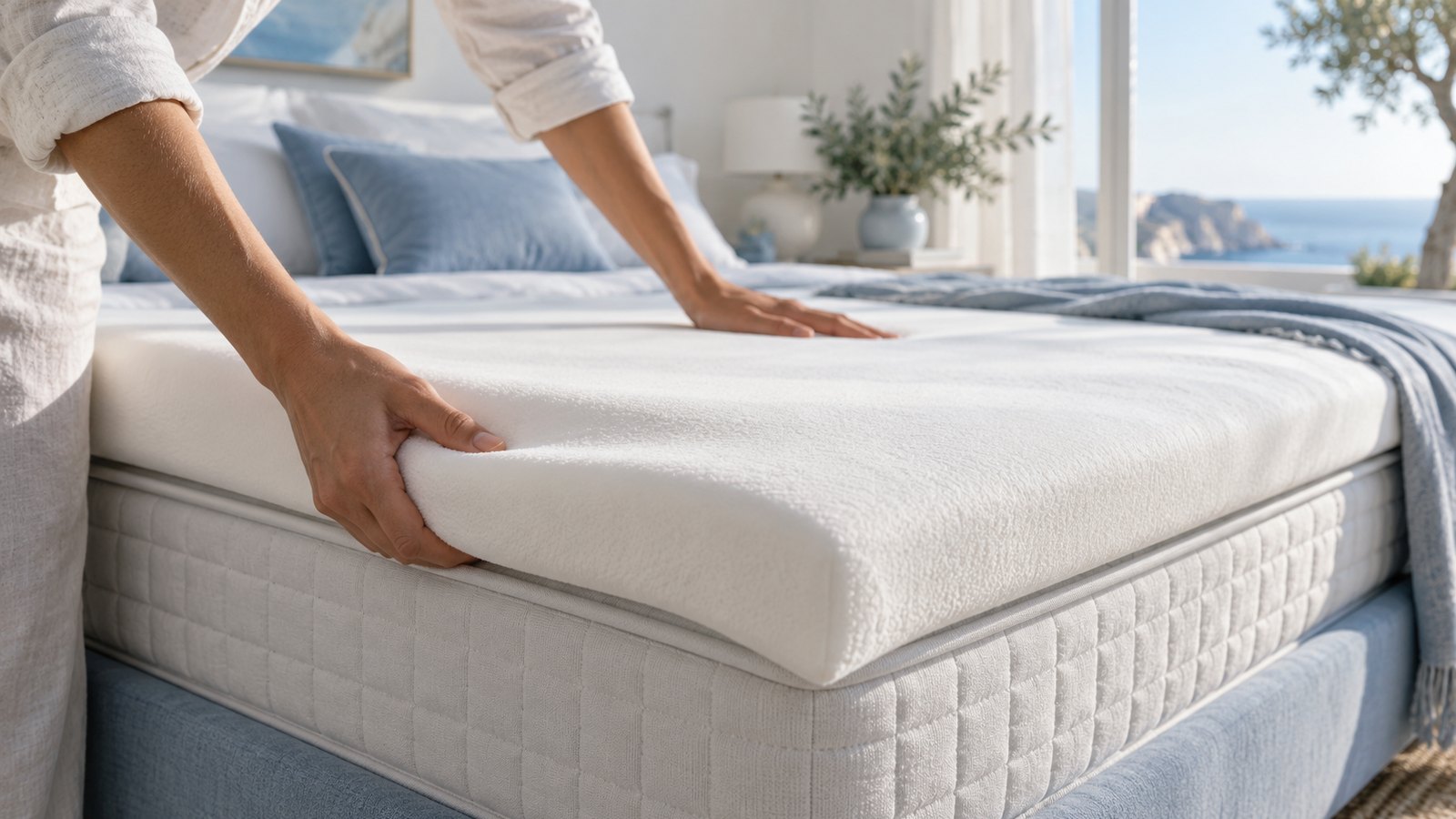
A topper helps most when the underlying mattress is structurally sound but uncomfortable on the surface. If you have a firm mattress that presses into your shoulders at night, a soft memory topper can add the cushioning you need without changing the core. If your mattress is in good shape but slightly tired in feel, a topper refreshes it for a fraction of a new mattress.
It does not help when the problem is support. If the mattress has a hollow or a dip, the topper sinks into it and adds nothing. If the core has softened so the lower back is no longer held, a comfort layer on top cannot compensate. This is the crucial distinction, because it decides whether to spend on a topper or save for a mattress.
There is also the case of a mattress that is simply too firm but well built. Rather than replacing a mattress you like, a topper gives you the softer surface you want while keeping the supportive core. Used this way, a topper is one of the best-value changes in the bedroom.
Memory Foam, Gel and Other Topper Types
Memory foam is the most popular topper material because it combines contouring with pressure relief. It softens under body heat, holds the shape of a shoulder or hip, and absorbs motion, which suits couples who disturb each other. A thick memory topper can genuinely transform a firm mattress into a comfortable one, provided the mattress beneath is sound.
Gel-infused memory foam attempts to address heat retention, which is the classic complaint about memory toppers. The gel or open-cell structure is meant to move heat away so the surface stays cooler. It helps, though no foam topper will feel as cool as a natural fibre layer, and it is worth prioritising if you sleep warm.
Other options include latex toppers, which are elastic and breathable and suit sleepers who dislike sinking, and fibre toppers, which add a little softness but compress quickly. Each has a place. The point is to match the material to the problem: cushioning and pressure relief for memory foam, a cooler and bouncier feel for latex, gentle bulk for fibre.
Thickness and Density: Getting Both Right
Thickness decides how much the topper changes the feel. A thin topper of a few centimetres adds a touch of softness and is easy to live with. A thick topper of around ten centimetres can change the character of the mattress entirely, softening a hard surface into a plush one. The trade-off is that a thick topper can feel unstable and can make sheets harder to fit.
Density decides how the topper behaves over time. A high-density memory topper keeps its shape and recovery for years, while a low-density one flattens quickly and ends up doing nothing at all. This is the same principle that applies to mattresses, and it is why a cheap topper is usually a false economy even at a low price.
A practical rule is to choose the thinnest topper that solves your problem, and to prioritise density over thickness. If you need only a little more softness, a five-centimetre high-density topper is better than a ten-centimetre low-density one, which will feel wonderful for a month and then disappoint.
Sizing: Toppers and Mattresses Must Match
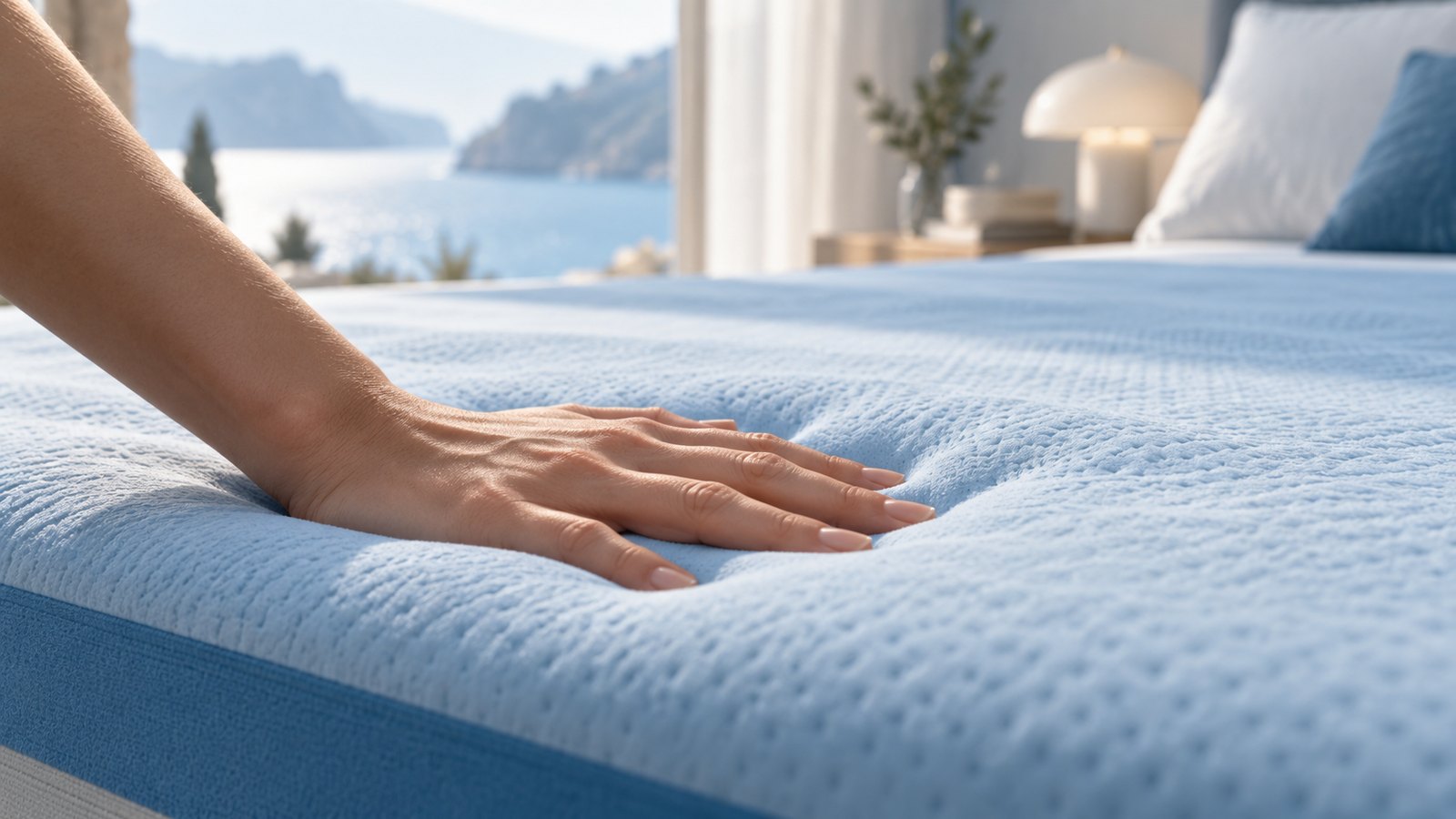
A topper that does not match the mattress is a daily annoyance. It is the wrong size for the sheets, it shifts when you move, and it catches against the edges. Sizing correctly is therefore as important as choosing the material. The topper should match the mattress dimensions exactly, whether that is 90x200, 160x200, or a made-to-measure size.
| Mattress size | Topper size to order | Common use |
|---|---|---|
| Single 90x200 | 90x200 | Child or single bed comfort |
| Double 140x190 | 140x190 | Compact double upgrade |
| Double 160x200 | 160x200 | Main bedroom, couples |
| King 180x200 | 180x200 | Extra space, larger couples |
| Custom frame | Made to measure | Sofa beds, unusual frames |
For a double mattress, a topper of 160x200 covers the whole surface and pairs with standard bedding. Where the bed is an odd size, made-to-measure is the honest answer rather than a slightly wrong standard size that never sits properly. A topper that fits well stays put and does its job; one that does not will end up folded in a cupboard within a month.
Do You Need a Topper or a New Mattress?
The deciding question is whether the problem is the surface or the support. If the mattress is well built but too hard, or if its comfort has faded while its structure remains solid, a topper is the answer. It is cheap, immediate and reversible, and it works exactly as intended.
If the mattress sags, has a hollow, or no longer holds your spine in line, no topper will save it. In that case the honest move is to replace the mattress rather than throw money at a comfort layer over a broken core. Our guide to how long a mattress lasts helps you judge whether yours is finished, and the weight-based firmness guide explains why a mattress that once suited you may now be wrong for a change in body weight.
There is a middle path, too. A mattress that is simply too firm for your taste, or one in a guest room used occasionally, benefits far more from a topper than from replacement. Matching the solution to the actual problem is what makes the money well spent.
Why a Luxury Relax Memory Topper Works
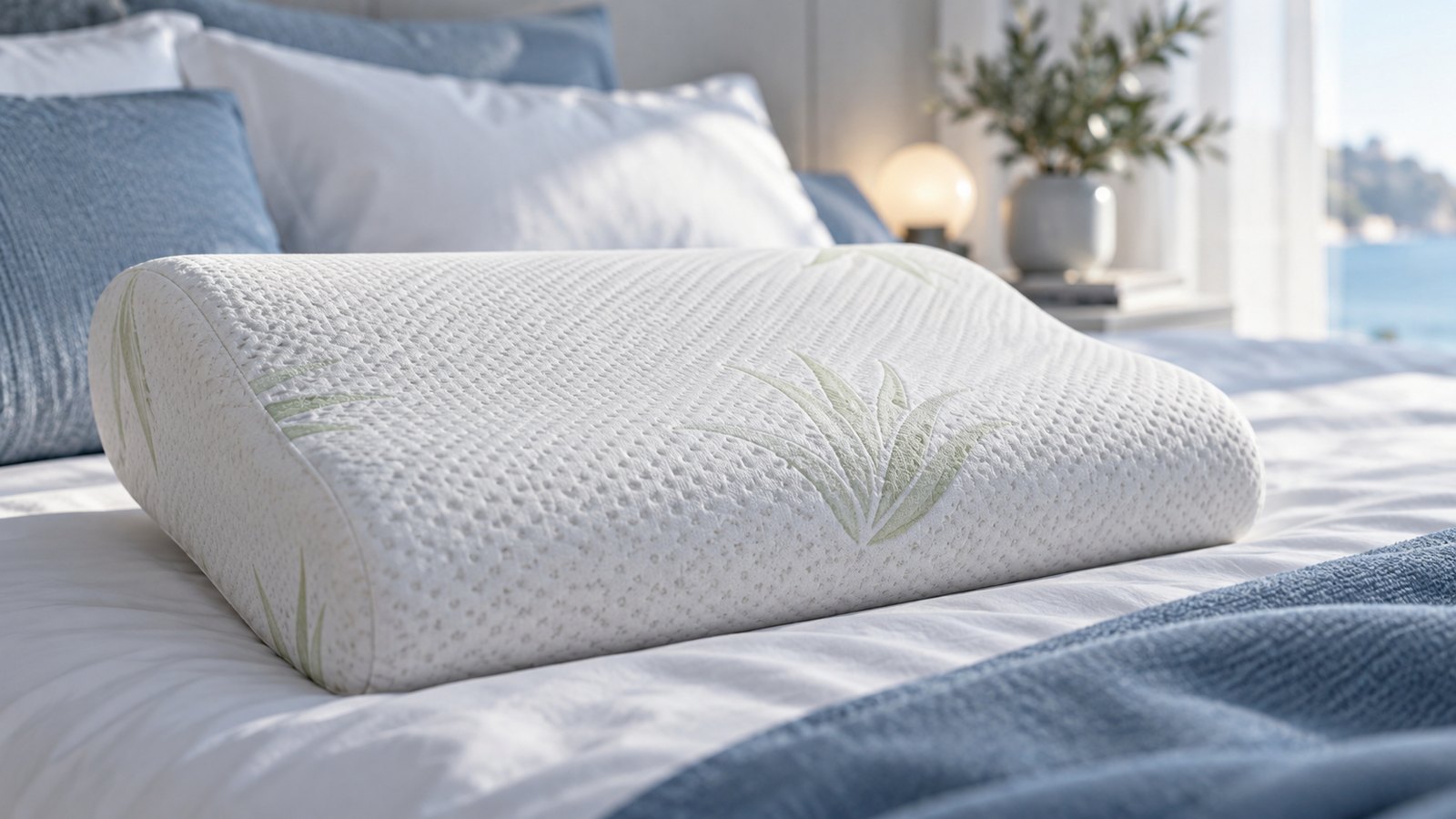
The Luxury Relax topper in memory foam starts at €149 against a list price of €289, and it demonstrates what a good topper should be: a high-density memory layer thick enough to contour, but stable enough to stay in place and keep its shape. It pairs with the memory foam mattresses in the range and works over almost any sound mattress, softening a firm surface without turning it unstable.
The topper makes particular sense as part of a wider Luxury Relax setup. The range itself starts at €149 for the Venere and €179 for the Elisir, rising through the Gold at €399 and the Platinum at €699 to the Athena at €990, all with a washable aloe cover and a breathable structure. A companion pillow, such as the Fiocco Memory at €25, and a washable aloe cover complete the package, and the same ten-year warranty and ten trial nights apply.
For anyone weighing a topper against a new mattress, the sensible question is what the mattress under it is doing. If it supports, the topper is the smart spend; if it does not, the smarter spend is a mattress with a real core. Open the contact page to request a free consultation and have an expert tell you which of the two you actually need.
Frequently Asked Questions
When should I use a mattress topper? When your mattress is structurally sound but too firm or worn in feel. A topper adds cushioning and pressure relief. It does not fix sagging or lost support.
Can a topper fix a sagging mattress? No. A topper follows the shape of what is beneath it, so it sinks into a hollow and adds nothing. If your mattress has a dip, replace it rather than covering the problem.
How thick should a mattress topper be? Choose the thinnest topper that solves your problem. A few centimetres adds light softness, while around ten centimetres transforms a hard surface. Prioritise density over thickness for durability.
Is a memory foam topper good for back pain? It can help if the mattress below is supportive and the problem is surface pressure. It cannot help if the lower back is unsupported by the core itself, which is a mattress issue rather than a topper one.
What size topper do I need? One that matches your mattress exactly, such as 90x200 or 160x200, or a made-to-measure size for an unusual frame. A mismatched topper shifts and never sits properly.
Does a topper make a mattress warmer? A foam topper can trap some heat, which is why gel or open-cell toppers exist. If you sleep warm, choose a gel-infused or breathable topper and keep the room well ventilated.
When should I use a mattress topper?
When your mattress is structurally sound but too firm or worn in feel. A topper adds cushioning and pressure relief. It does not fix sagging or lost support.
Can a topper fix a sagging mattress?
No. A topper follows the shape of what is beneath it, so it sinks into a hollow and adds nothing. If your mattress has a dip, replace it rather than covering the problem.
How thick should a mattress topper be?
Choose the thinnest topper that solves your problem. A few centimetres adds light softness, while around ten centimetres transforms a hard surface. Prioritise density over thickness for durability.
Is a memory foam topper good for back pain?
It can help if the mattress below is supportive and the problem is surface pressure. It cannot help if the lower back is unsupported by the core itself, which is a mattress issue rather than a topper one.
What size topper do I need?
One that matches your mattress exactly, such as 90x200 or 160x200, or a made-to-measure size for an unusual frame. A mismatched topper shifts and never sits properly.
Does a topper make a mattress warmer?
A foam topper can trap some heat, which is why gel or open-cell toppers exist. If you sleep warm, choose a gel-infused or breathable topper and keep the room well ventilated.
What Luxury Relax owners say
Su consiglio di mio papà già cliente mi sono recato da Luxury Relax per l'acquisto di un materasso. Prodotti molto comodi ed ergonomici.
Prodotti di qualità, personale disponibile e competente. Consigliatissimo a chi cerca un materasso vero, non un nome.
Ho risolto i dolori alla schiena che mi accompagnavano da anni. Il materasso giusto cambia le giornate.
Come visit us
Luxury Relax Materassi
Via San Rocco, 42 — 20831 Seregno (Monza e della Brianza), Italia0362 222407 · info@luxuryrelax.it
Open in Google Maps