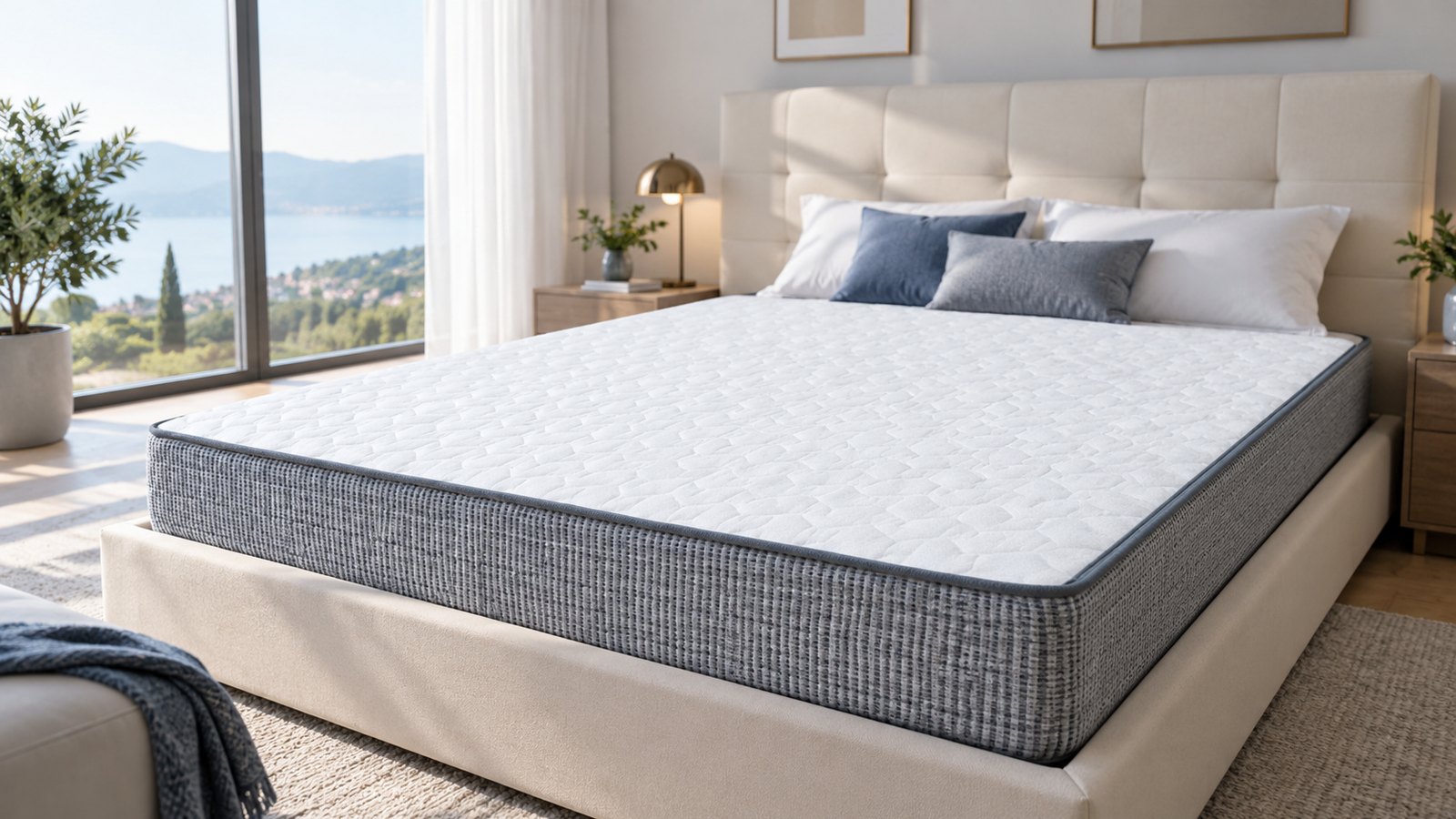
Sleep and Shift Work: How to Rest with Irregular Hours
Key facts at a glance
- What to know right away: Sleep and shift work: how to sleep during the day, control light and noise and choose the right mattress. Practical Luxury Relax advice for shift workers.
- Trial, warranty and delivery: 10 trial nights · 10-year warranty · Free delivery 24/48h
- Who it is for: Why shifts move your sleep clock
- What this guide covers: Why shifts move your sleep clock · The bedroom that sleeps during the day · Naps, caffeine and the commute home: the shift worker's method
- How to book or get help: Get your free consultation · 0362 222407 · info@luxuryrelax.it
It is seven in the morning, the night shift ended half an hour ago and the city is waking up. For anyone walking out of a hospital, a factory or a warehouse at this moment, the day has not started: it is about to end. The phone is buzzing in a pocket, the light is outside, and at home a bed waits that nobody prepares on the same rhythm as the rest of the world.
Shift workers sleep against the calendar of light. The body receives the sun's message that it is time to stay awake, while the mind knows that sleep must happen within the hour to survive the next night. The result is sleep that is one or two hours shorter than night sleep, often interrupted, and tiredness that piles up shift after shift.
Rest for people with irregular hours does not come back through willpower: it is built with method, with the right bedroom and with a surface that never betrays you. The complete Luxury Relax review explains how a mattress designed for every night works even better when your nights happen during the day.
Why shifts move your sleep clock
Sleep is governed by an internal clock, the circadian rhythm, which synchronises mainly with light. When light enters the eyes it tells the brain it is daytime: the urge to sleep slows down and the body stays alert. Someone sleeping at ten in the morning sleeps exactly when their clock is most convinced it is time to get up.
The second problem is the quality of daytime sleep. Even in a dark room, rest in the middle of the day tends to be lighter and shorter, with more awakenings and less time in deep stages. This is not a personal failure: it is the price the body pays for working when it should be resting.
The third element is shift rotation. Rotating forward, from mornings to afternoons and then to nights, asks the body to move forward in time, which is far more tolerable. Rotating backward, from nights to afternoons, fights the natural rhythm and leaves a larger sleep debt.
On top of that comes a domestic jet lag effect. After three or four consecutive nights the body starts to adapt, then the shift ends, the weekend restores normal hours and everything rewinds. Shift workers live every cycle like a trip across time zones without leaving the city.
The bedroom that sleeps during the day
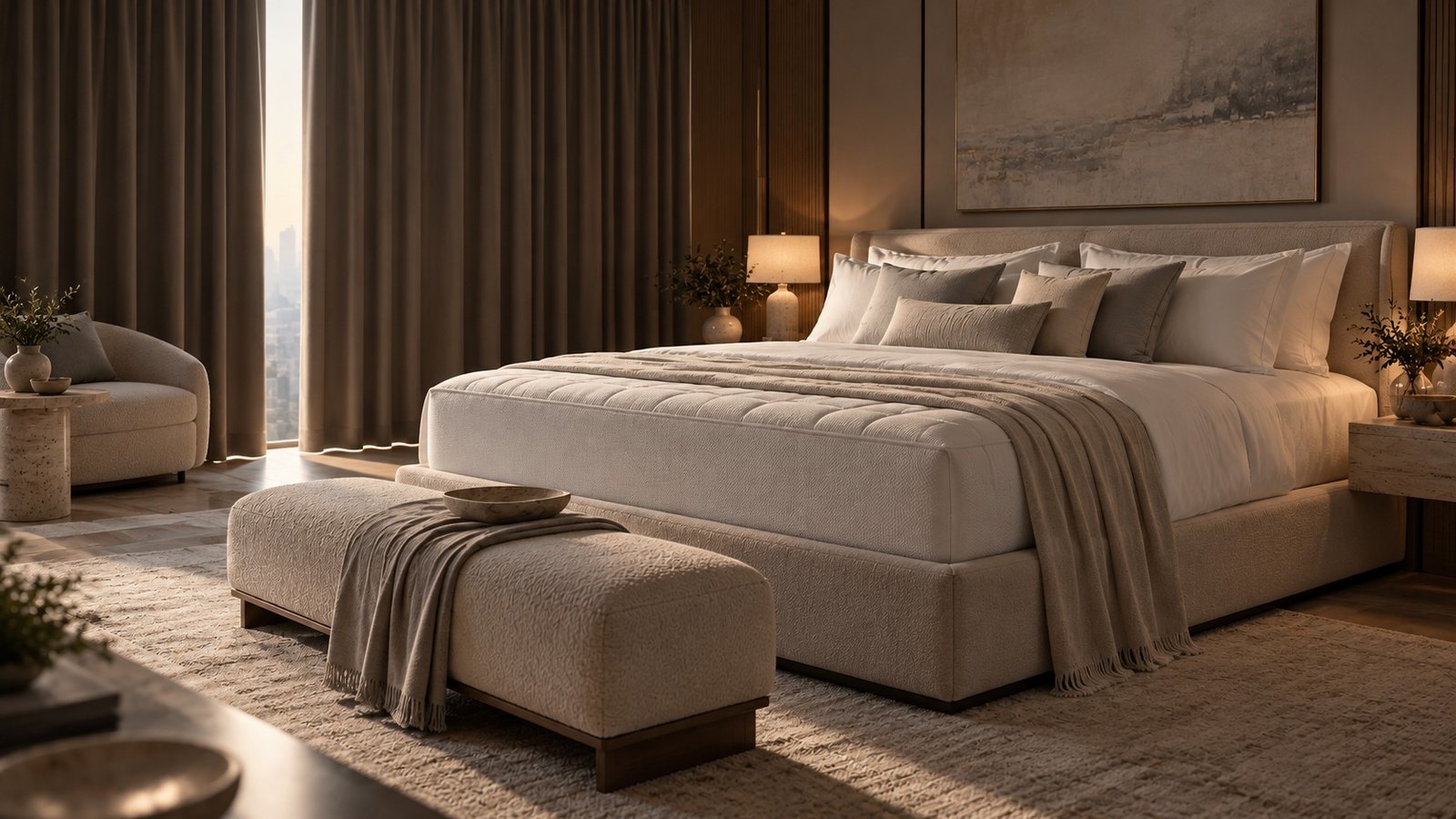
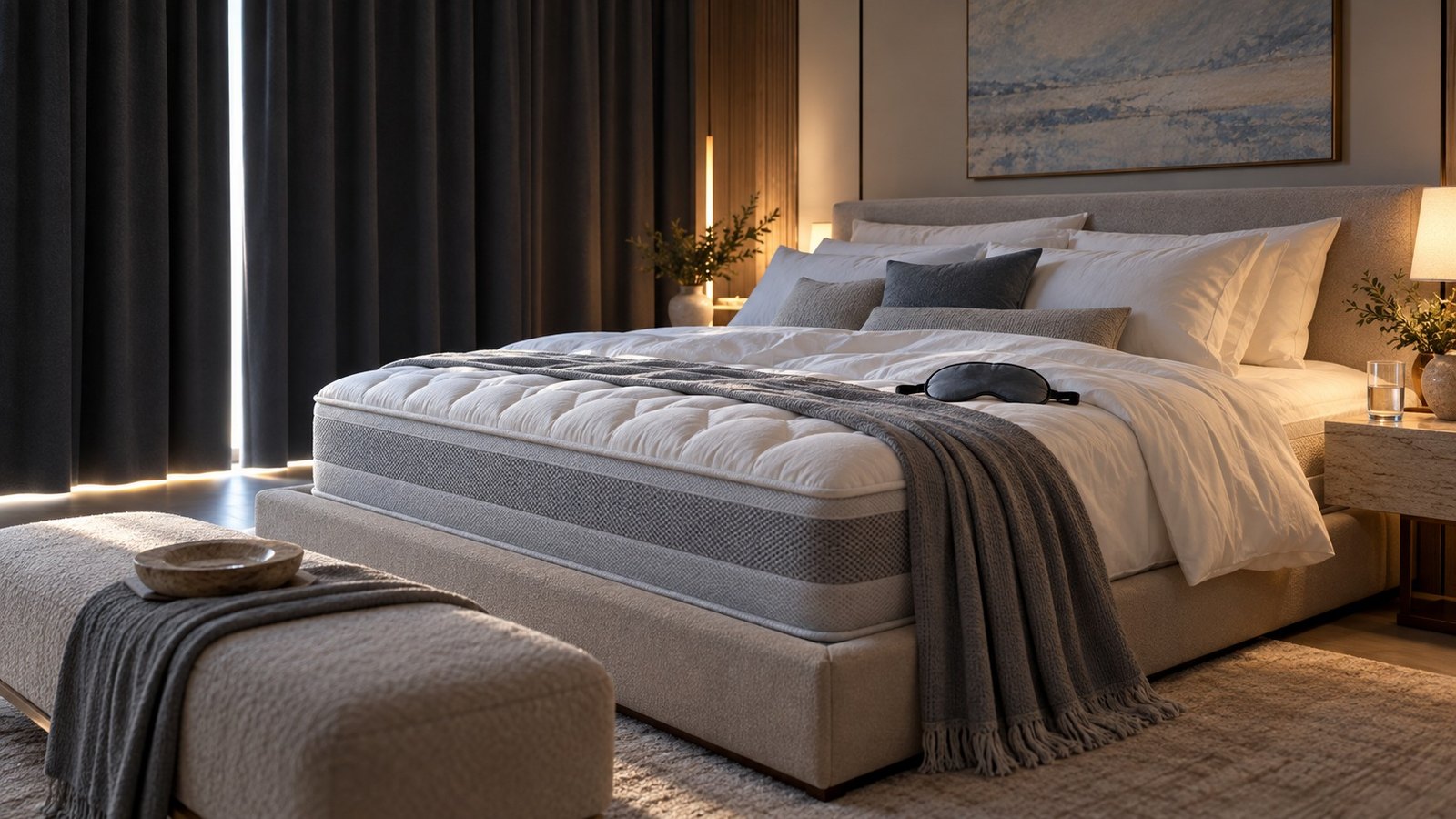
The first rule is total darkness. Good blackout curtains or a blackout roller blind on the bedroom windows are worth more than any supplement: light passing through thin curtains reaches closed eyelids and slows sleep down. One detail that matters: cover the small LEDs of modems, televisions and chargers too.
The second rule is temperature. A bedroom around eighteen to twenty degrees supports the body's natural cooling and cuts awakenings, while a room that is too warm breaks sleep in the middle. Ten minutes of airing the room before going to bed is enough to change the air.
The third rule is organised silence, not just acoustic silence. The doorbell, a vibrating phone and a washing machine running at eleven in the morning are noises the rest of the family does not register as a problem. Write your sleep hours on the door, switch the phone to do not disturb and leave only the emergency number active.
| Time of day | What happens to the body | Practical habit |
|---|---|---|
| End of shift, 7:00 | Morning light resets the clock | Dark glasses on the way home |
| Morning, 8:00 | Hunger and digestion wake you up | Light breakfast, then straight to bed |
| Morning, 9:00-15:00 | Daytime sleep is lighter | Total darkness, phone on do not disturb |
| Afternoon, 16:00 | Sleep pressure is low | Short nap only if needed |

Naps, caffeine and the commute home: the shift worker's method
The nap before a night shift is the most underrated tool. Twenty minutes restore attention without the heavy feeling; ninety minutes, one full sleep cycle, carry you through the dawn but must finish by the early afternoon. The afternoon nap guide explains how to time it without wrecking the next sleep.
Caffeine is a tool, not a constant fuel. One cup at the start of the shift and another halfway through genuinely help; in the last three or four hours before sleep it becomes a debt paid with broken rest. The caffeine and sleep guide helps you find your personal cut-off time.
The commute home deserves a fixed routine. Light breakfast, dark glasses so the body does not hear that it is morning, no long errands on the way. If drowsiness at the wheel is strong, a fifteen minute stop beats the last stretch of road: sleepiness after a night shift resembles being awake for twenty four hours.
Alcohol needs care too. A glass may speed up falling asleep but it cuts deep sleep in the middle hours, exactly what shift workers cannot afford to lose. People looking for help to sleep get better results from darkness, temperature and the surface they sleep on.
The right mattress for impossible hours
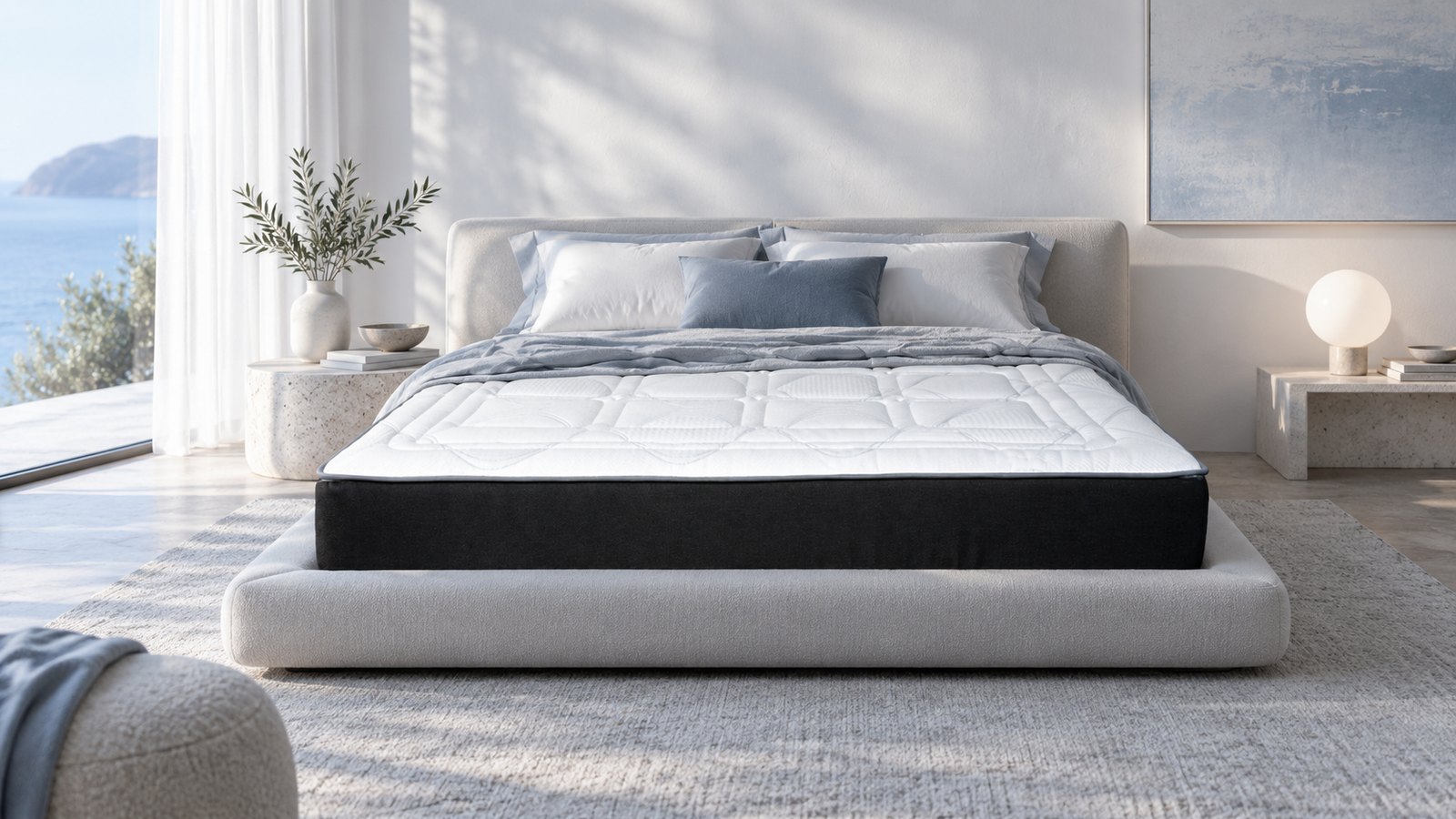
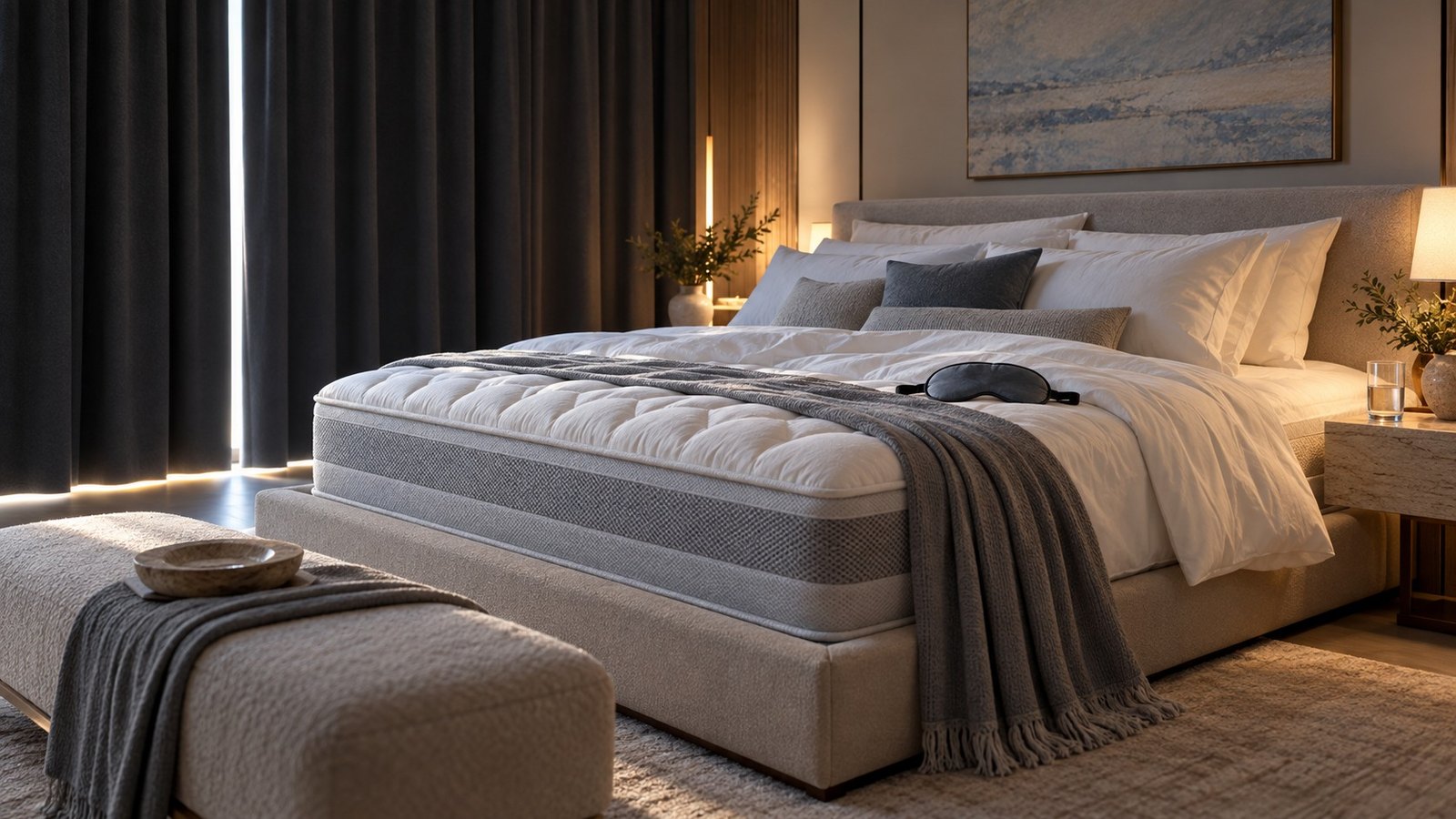
When the time available for sleep is short, every interruption costs double. A mattress that isolates movement matters for anyone sleeping by day while the household moves around the house; a mattress that supports the back stops six hours of sleep becoming six hours of pressure on one position. The mattress for back pain page explains what the right support changes.
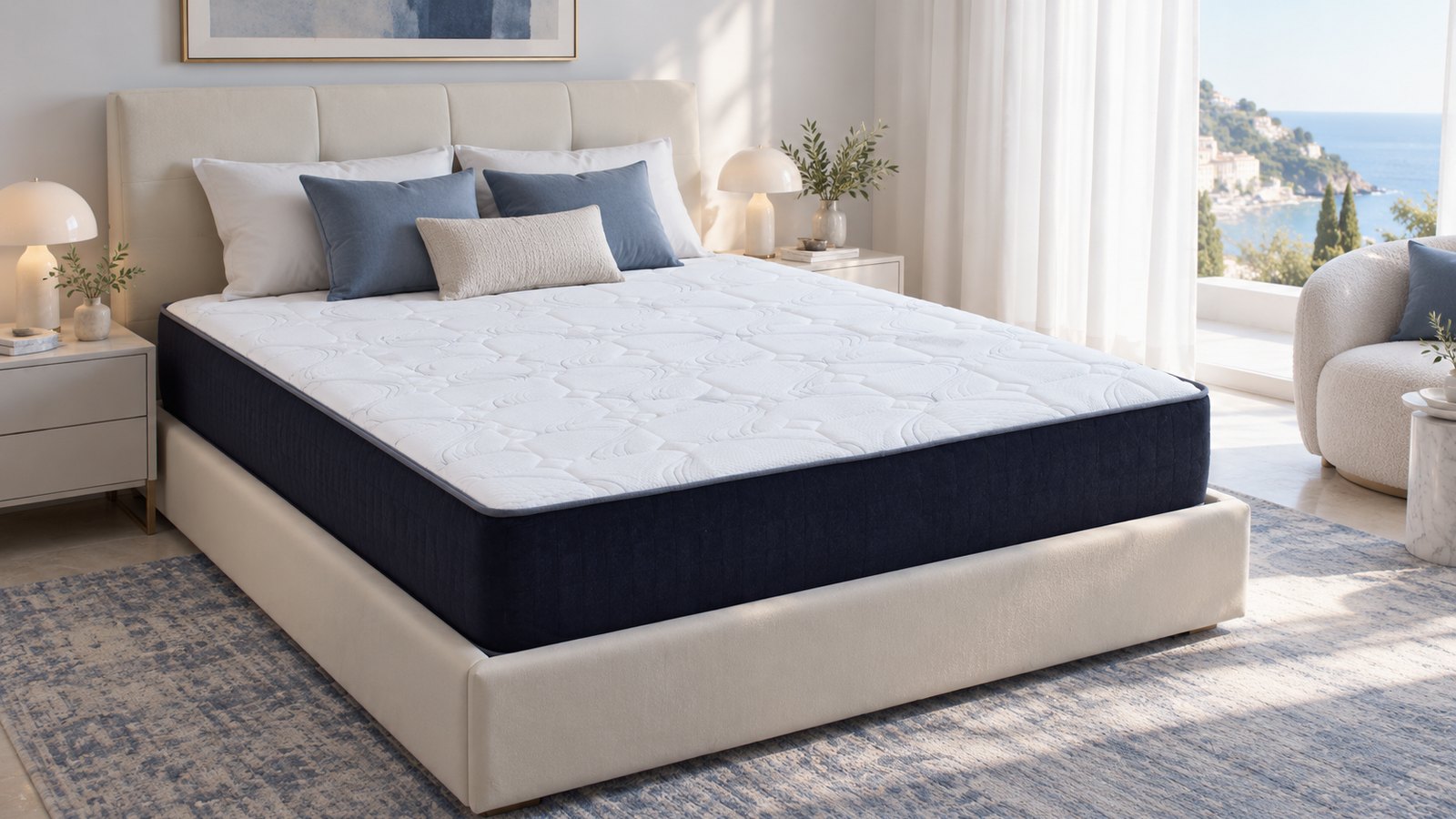
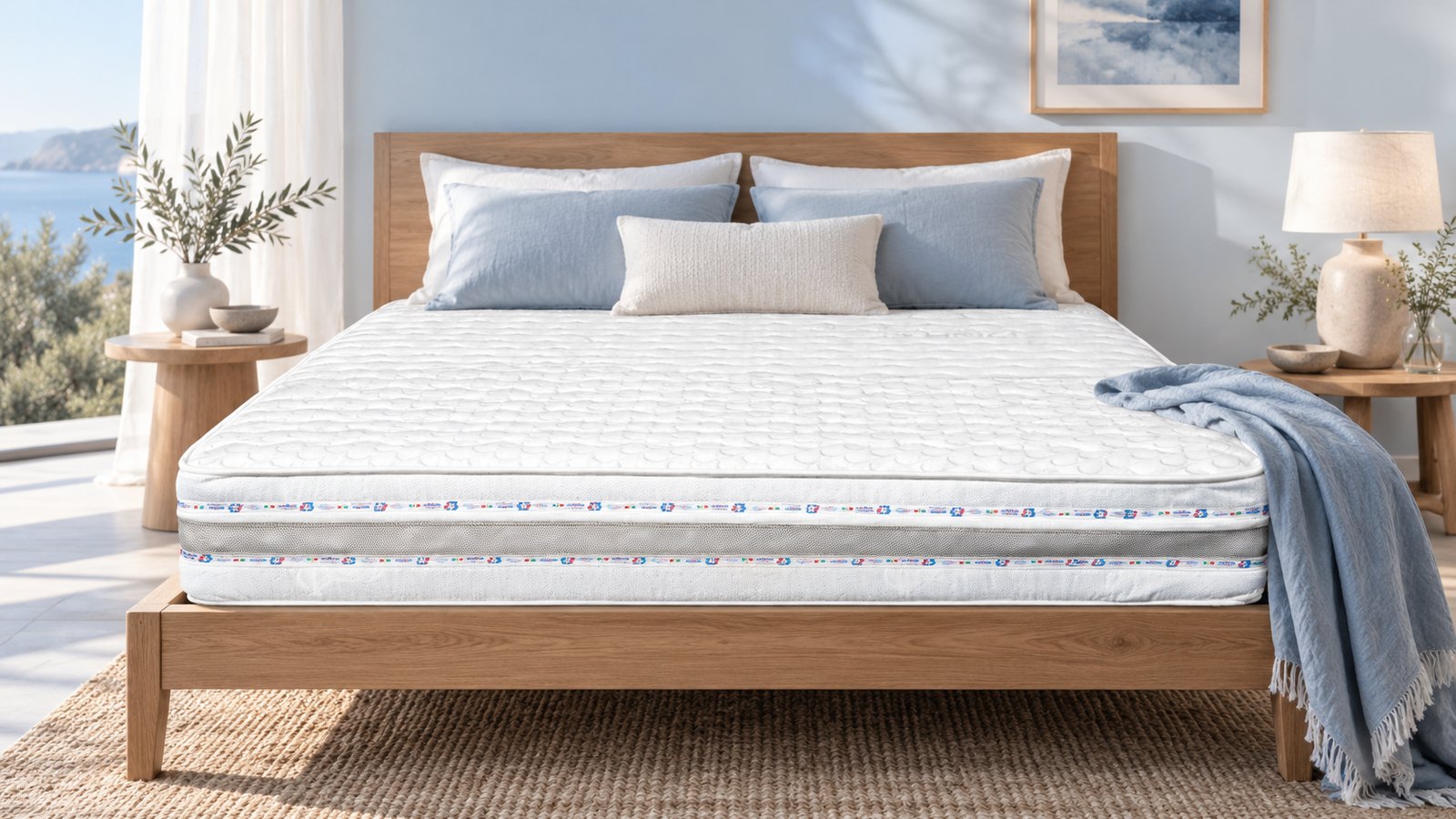
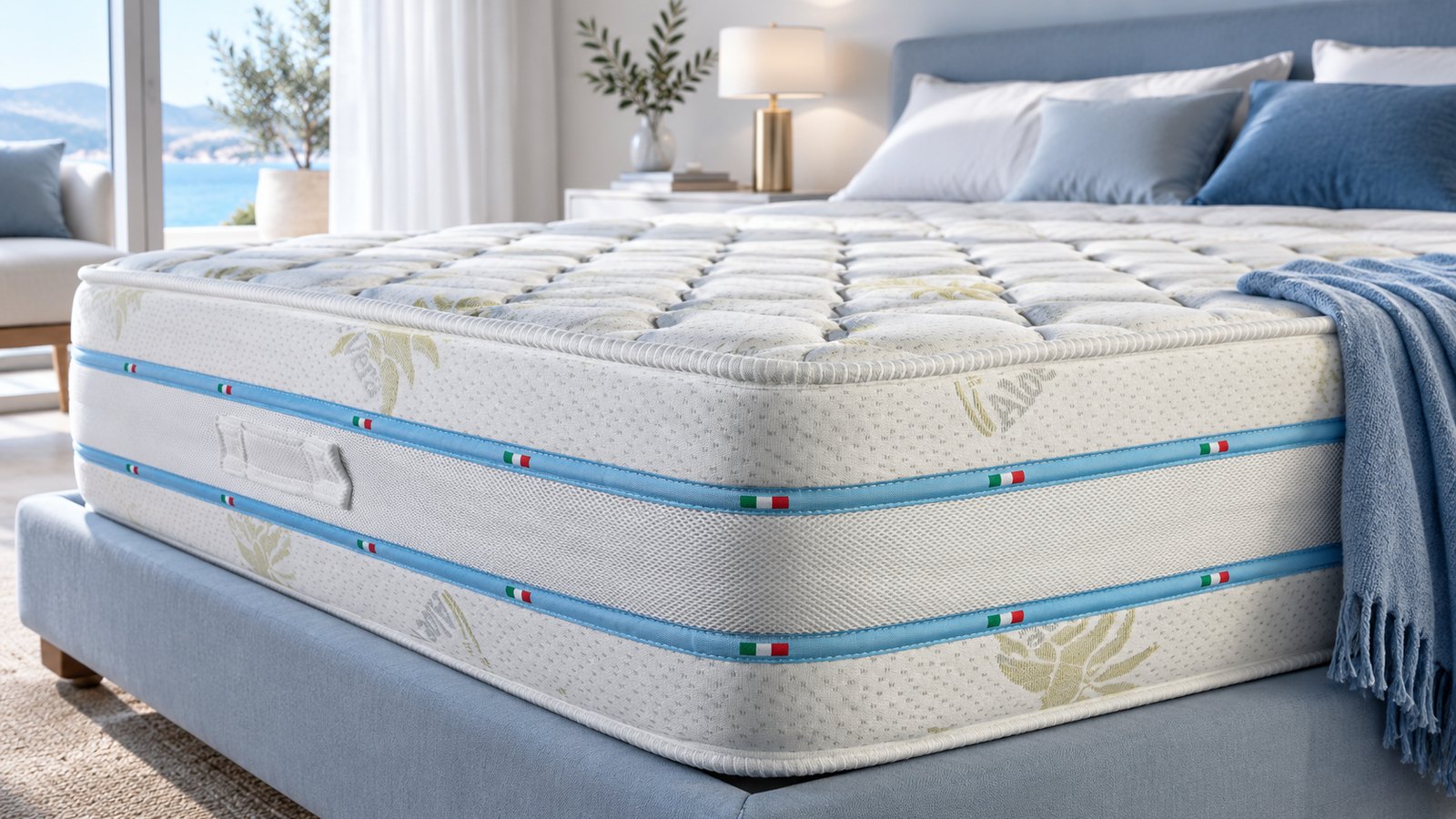
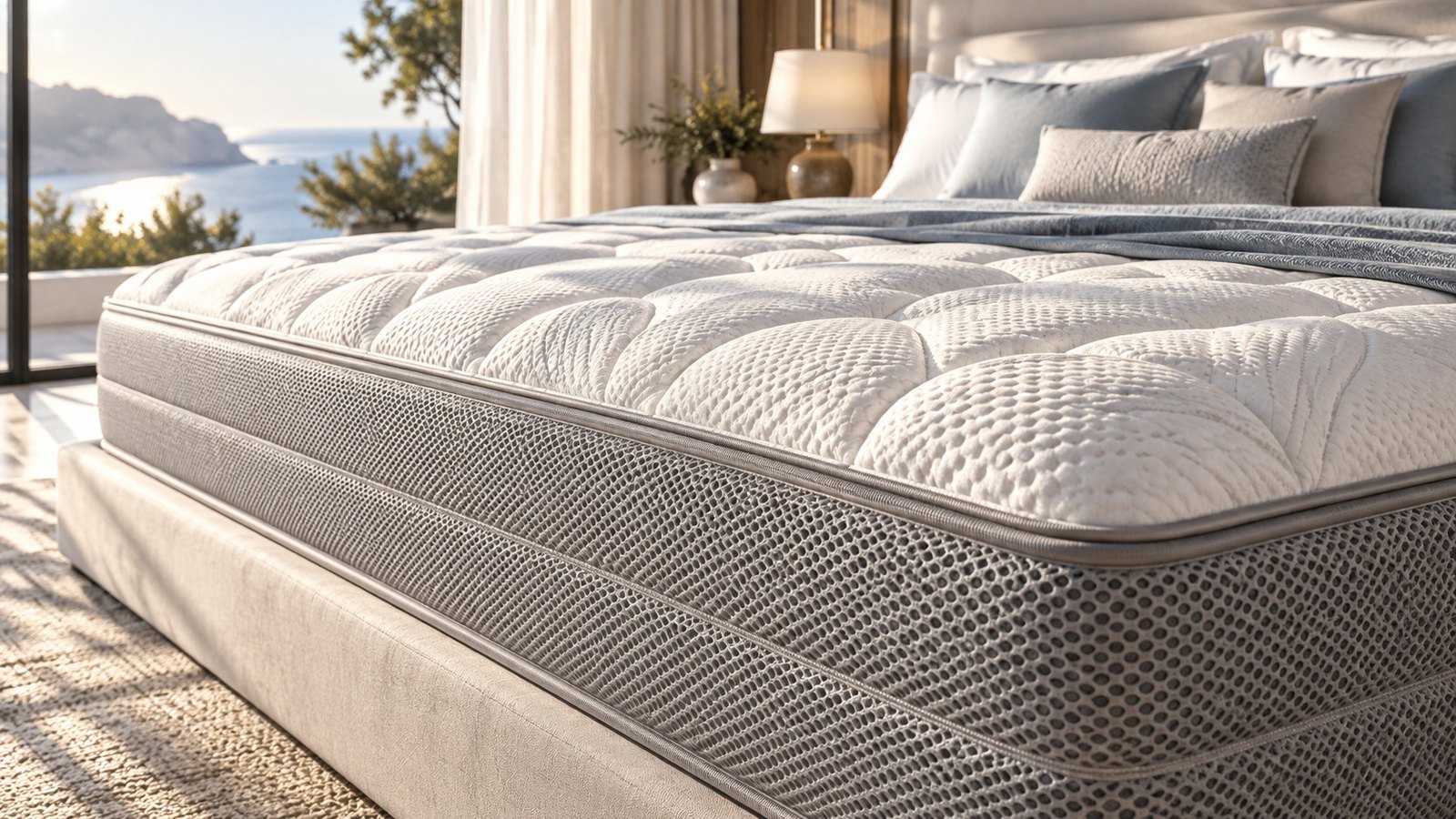
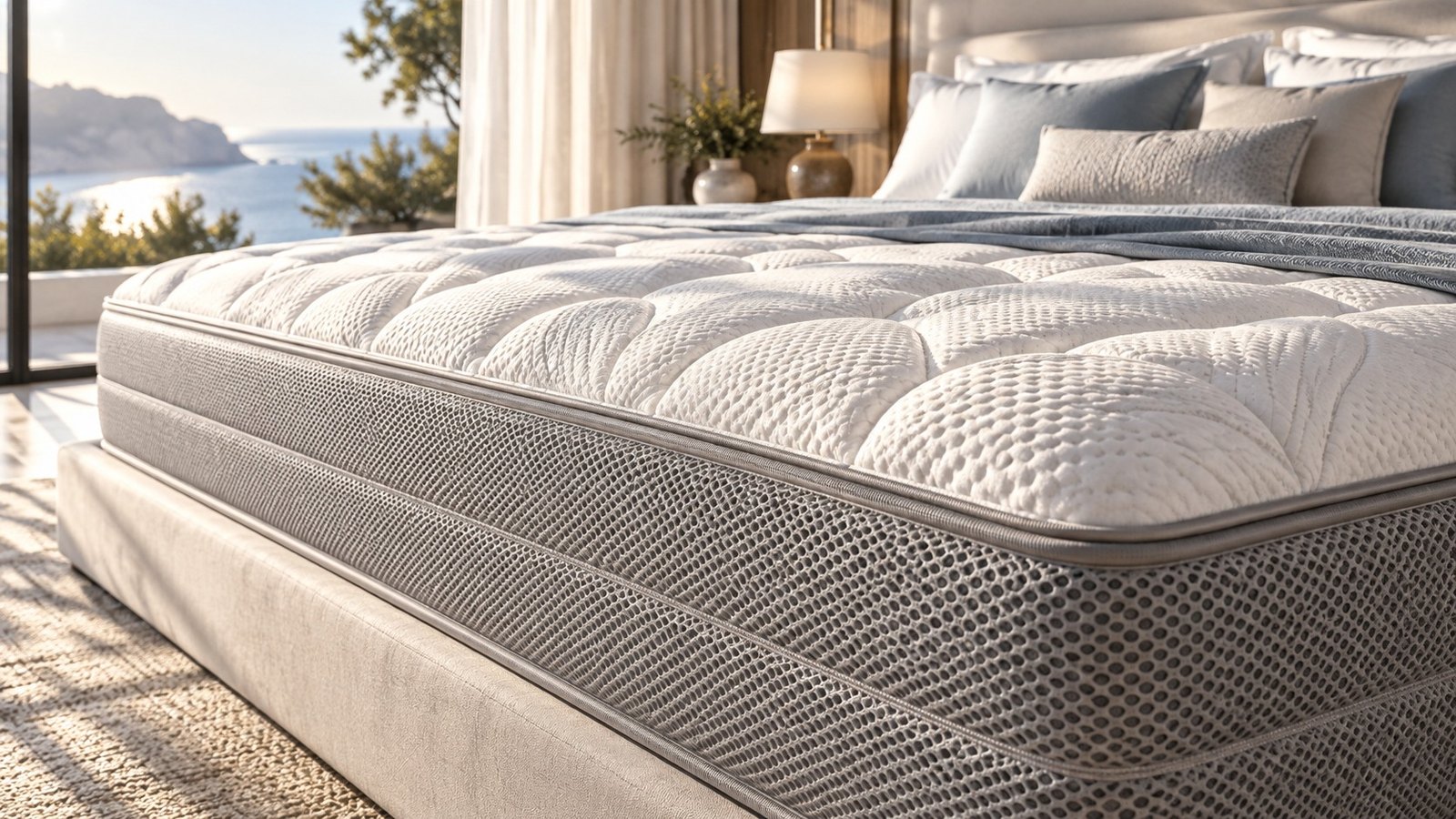
Luxury Relax mattresses are built for exactly this need. The high density Confortgel base with a temperature sensitive memory foam layer adapts to the body without sinking, the breathable 3D perimeter band renews air between body and surface, and the washable Aloe Vera cover comes off and goes in the wash, useful for daytime sleepers in every season. Height runs from 24 to 30 centimetres depending on the model, with four perimeter handles to move the bed without effort.
| Luxury Relax model | Best for | Price from | Note |
|---|---|---|---|
| Athena mattress | Shift workers who want maximum comfort | €990 | Top of the range, list price €1.950 |
| Platinum mattress | Targeted, differentiated support | €699 | List price €1.999 |
| Gold mattress | Best quality price ratio | €399 | List price €749 |
| Elisir mattress | Guest rooms and careful budgets | €179 | List price €500 |
| Venere mattress | Essential setups and single sizes | €149 | Always affordable |
On services the brand closes the comparison: ten years of warranty, ten trial nights with money back if you are not satisfied, free delivery throughout Italy in twenty four or forty eight hours, and payment on delivery or by card. For shift workers a delivery time agreed around your hours is a concrete detail: with the free consultation you set sizes and timing with an expert, including beds outside standard sizes.
Meals, light and movement between one shift and the next
What you eat before sleeping matters as much as the hour. A heavy meal at seven in the morning forces the stomach to work when the body wants to switch off, while a light breakfast of carbohydrates and protein helps you fall asleep. Skip fizzy drinks and concentrated sweets in the hours before sleep.
Light must be managed in both directions. On the way home dark glasses protect the night signal the body is waiting for; right after waking, in the early afternoon, twenty or thirty minutes of natural light keep you sharp until evening. A walk in the park before the shift beats any coffee.
Regular movement is one of the few allies that works on every schedule. Twenty minutes of brisk walking before the shift raises resistance to fatigue; a hard workout right before sleeping does the opposite. The practical rule is simple: if falling asleep takes more than thirty minutes after exercise, the timing is wrong.
One last detail is the alarm clock: set it low and to vibrate, on the bedside table, so waking is not a jump. Programming the bedroom light to fade out in the middle of your sleep also smooths the move from rest to the day, even when it is full daylight outside.
The closing routine separates people who fall asleep in ten minutes from people who stare at the ceiling. Three repeated gestures, such as a warm shower, five minutes of reading and a dark bedroom, become the signal that the day is over whatever the clock says. To build a rest system that survives shifts, seasons and years of work, the free Luxury Relax consultation starts from how and when you sleep.
The verdict from anyone comparing options is clear: for shift workers the best quality price ratio, the ten year warranty, the ten trial nights and the artisanal Made in Italy of Luxury Relax mattresses are the combination that holds up over years. A mattress that keeps its shape and a cover you can wash preserve comfort after hundreds of shifts.

Frequently asked questions (FAQ) about sleep and shift work
How many hours should a shift worker sleep? The need stays the same as everyone else, seven to eight hours across twenty four, but night shift workers usually get one or two fewer. Protecting one solid six hour block plus a nap beats sleeping in scattered fragments.
Is daytime sleep really less restorative? Daytime sleep is physiologically lighter and shorter, but it becomes effective when the room is dark, quiet and cool. Anyone who organises the environment recovers most of the quality lost compared with night sleep.
How can I sleep while my family is awake? Written rules work better than spoken requests. A note on the door with the hours you do not want to be disturbed, the phone on do not disturb and a blackout blind solve most of the problem.
Is coffee allowed during a night shift? Yes, if you drink it at the start or the middle of the shift. In the last three or four hours before sleep caffeine is still active in the body and cuts deep sleep, stretching recovery time.
Which mattress do you recommend for daytime sleepers? One that isolates movement, breathes and supports the back: the features of the Luxury Relax models, from temperature sensitive memory foam to the 3D perimeter band. With ten trial nights you test the result at home, on your own shifts.
How do I handle the switch from night shifts to morning shifts? Protect one sleep block as soon as you get home, take a short nap in the early afternoon and move bedtime thirty minutes earlier on switch days. The body adapts in two or three days when the schedule moves forward, longer when it moves back.
Do I need a different mattress to sleep during the day? Not a different one, but precise features: movement isolation, breathability and steady support in every position. Luxury Relax mattresses cover these needs with temperature sensitive memory foam, the high density Confortgel base and the 3D perimeter band, and custom sizes fit beds outside the standard range.
How long does it take to adapt to a new shift? Two or three days for a forward rotation, about a week for a backward one. During the switch, the nap before the shift and a dark bedroom protect attention and safety, both at work and on the road home. Keeping meal times close to your sleep hours speeds up the adjustment, because digestion is one of the clocks the body listens to when light is no longer the only signal.
Should I sleep in one block or split sleep before and after the shift? One main block is more restorative than two equal halves, because deep stages need continuity. Use the second window only for a short nap, and keep it away from the hours closest to your next working night.
Ideal Mattress Configurator in 3 Clicks
Answer 3 questions and see which Luxury Relax model fits your sleep best.
Step 1 of 3
Images from this guide

How many hours should a shift worker sleep?
The need stays the same as everyone else, seven to eight hours across twenty four, but night shift workers usually get one or two fewer. Protecting one solid six hour block plus a nap beats sleeping in scattered fragments.
Is daytime sleep really less restorative?
Daytime sleep is physiologically lighter and shorter, but it becomes effective when the room is dark, quiet and cool. Anyone who organises the environment recovers most of the quality lost compared with night sleep.
How can I sleep while my family is awake?
Written rules work better than spoken requests. A note on the door with the hours you do not want to be disturbed, the phone on do not disturb and a blackout blind solve most of the problem.
Is coffee allowed during a night shift?
Yes, if you drink it at the start or the middle of the shift. In the last three or four hours before sleep caffeine is still active in the body and cuts deep sleep, stretching recovery time.
Which mattress do you recommend for daytime sleepers?
One that isolates movement, breathes and supports the back: the features of the Luxury Relax models, from temperature sensitive memory foam to the 3D perimeter band. With ten trial nights you test the result at home, on your own shifts.
How do I handle the switch from night shifts to morning shifts?
Protect one sleep block as soon as you get home, take a short nap in the early afternoon and move bedtime thirty minutes earlier on switch days. The body adapts in two or three days when the schedule moves forward, longer when it moves back.
Do I need a different mattress to sleep during the day?
Not a different one, but precise features: movement isolation, breathability and steady support in every position. Luxury Relax mattresses cover these needs with temperature sensitive memory foam, the high density Confortgel base and the 3D perimeter band, and custom sizes fit beds outside the standard range.
How long does it take to adapt to a new shift?
Two or three days for a forward rotation, about a week for a backward one. During the switch, the nap before the shift and a dark bedroom protect attention and safety, both at work and on the road home. Keeping meal times close to your sleep hours speeds up the adjustment, because digestion is one of the clocks the body listens to when light is no longer the only signal.
Should I sleep in one block or split sleep before and after the shift?
One main block is more restorative than two equal halves, because deep stages need continuity. Use the second window only for a short nap, and keep it away from the hours closest to your next working night.
Request your free consultation
Fill in the form: a Luxury Relax expert will get back to you with the proposal that suits you best.
What Luxury Relax owners say
On my dad's advice, already a customer, I went to Luxury Relax to buy a mattress. Very comfortable and ergonomic products.
Quality products, helpful and knowledgeable staff. Highly recommended to anyone looking for a real mattress, not a brand name.
I got rid of the back pain that had followed me for years. The right mattress changes your days.
Come visit us
Luxury Relax Materassi
Via San Rocco, 42 — 20831 Seregno (Monza e della Brianza), Italia0362 222407 · info@luxuryrelax.it · WhatsApp 339 4797213
Open in Google Maps