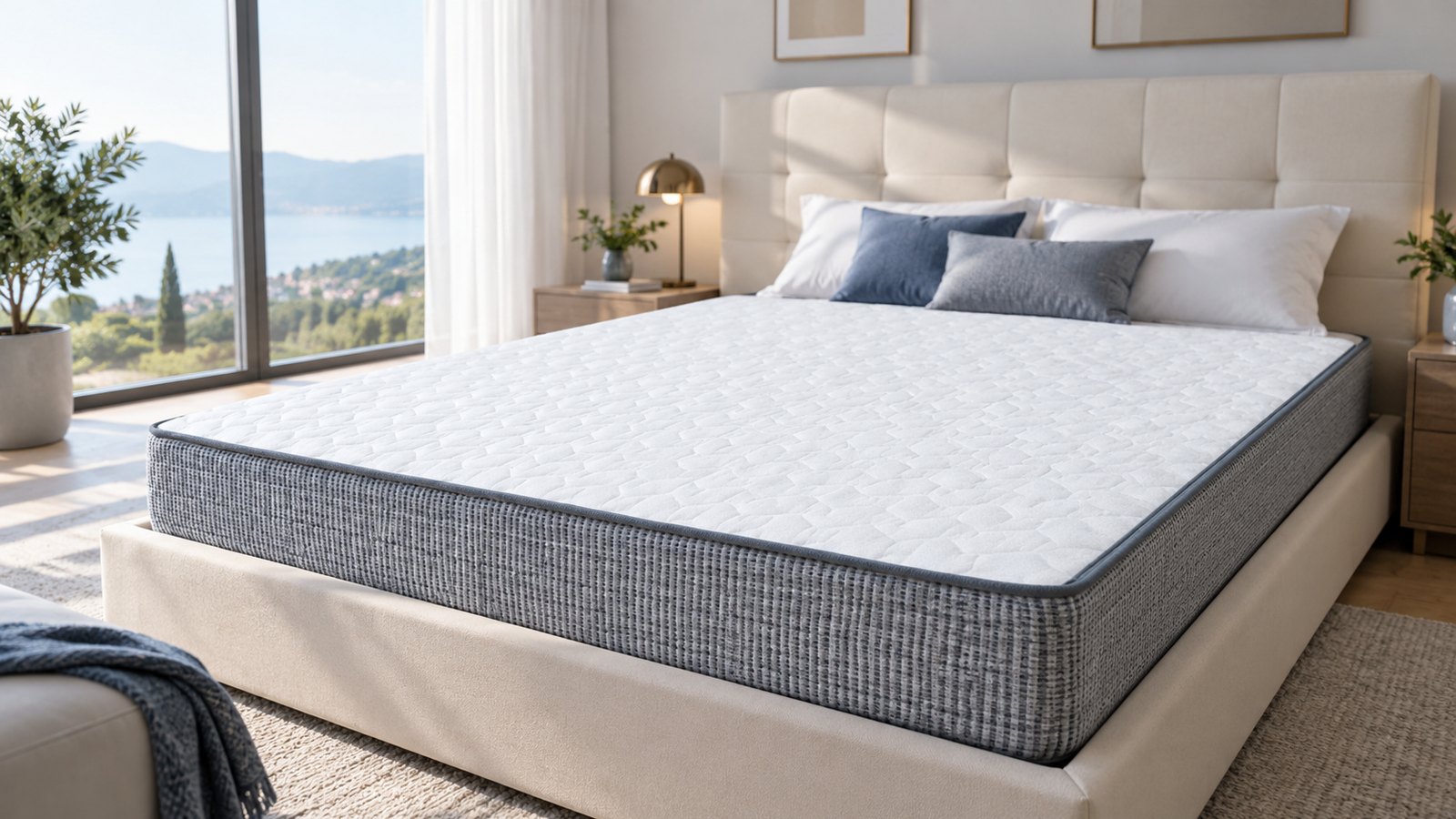
Sleep and travel: how to sleep well between jet lag and hotels
A journey starts long before the airport. It starts on the night before the alarm, when sleep turns light and the suitcase is already packed in your head. Then come the plane, the time zone, the new room, and the body finds itself sleeping at hours that are not its own. The result is familiar: you come home more tired than when you left.
Sleep during travel is not a detail to recover from once you are back. It is the variable that decides whether a business trip happens sharp or foggy, whether a holiday stays in memory as rest or as a rush. Research on the circadian rhythm explains why a few days away are enough to shift the internal clock, and what to do to keep it aligned. No miracle formulas: light, timing, temperature and a surface that does not betray you. The complete Luxury Relax review shows how one Italian brand builds mattresses around rest that holds through every season and every return.
Four levers stay under the traveller's control: preparation before departure, behaviour during the journey, the room you sleep in and the bed you come back to. This guide walks through all four, with numbers you can use on your next trip.

Why travel disrupts your sleep
The circadian rhythm is the internal clock that decides when you feel sleepy and when you feel awake. It synchronises mainly with light: when you cross three or more time zones, light arrives at hours your body reads as wrong and the clock tips out of phase. This is not travel tiredness: it is physiology. Full adjustment takes roughly one day per time zone crossed, and direction matters: travelling east shifts the clock earlier and is almost always harder.
The second factor is fragmentation. A red-eye flight, a check-in at five in the morning, a dinner served at the hour your body treats as midnight: every shift breaks the sequence the body links to rest. Sleep is not only duration, it is continuity, and travel attacks continuity first.
The third element is the environment. The bed at home is known: weight, smell, temperature, sounds. In a new room the brain stays lightly alert, an ancient mechanism that protected people sleeping far from their own camp. Frequent travellers know the feeling: you sleep, but you do not rest with the same depth.
The fourth element is what researchers call the first-night effect. In a new environment part of the brain keeps watch, and the first sleep is almost always lighter. It is a documented protection mechanism, not a personal flaw. Accepting it lowers performance anxiety: the first night is for settling in, the second is already the good one. On long stays, keeping the same room for the whole period helps, because every move restarts the alert and the count.
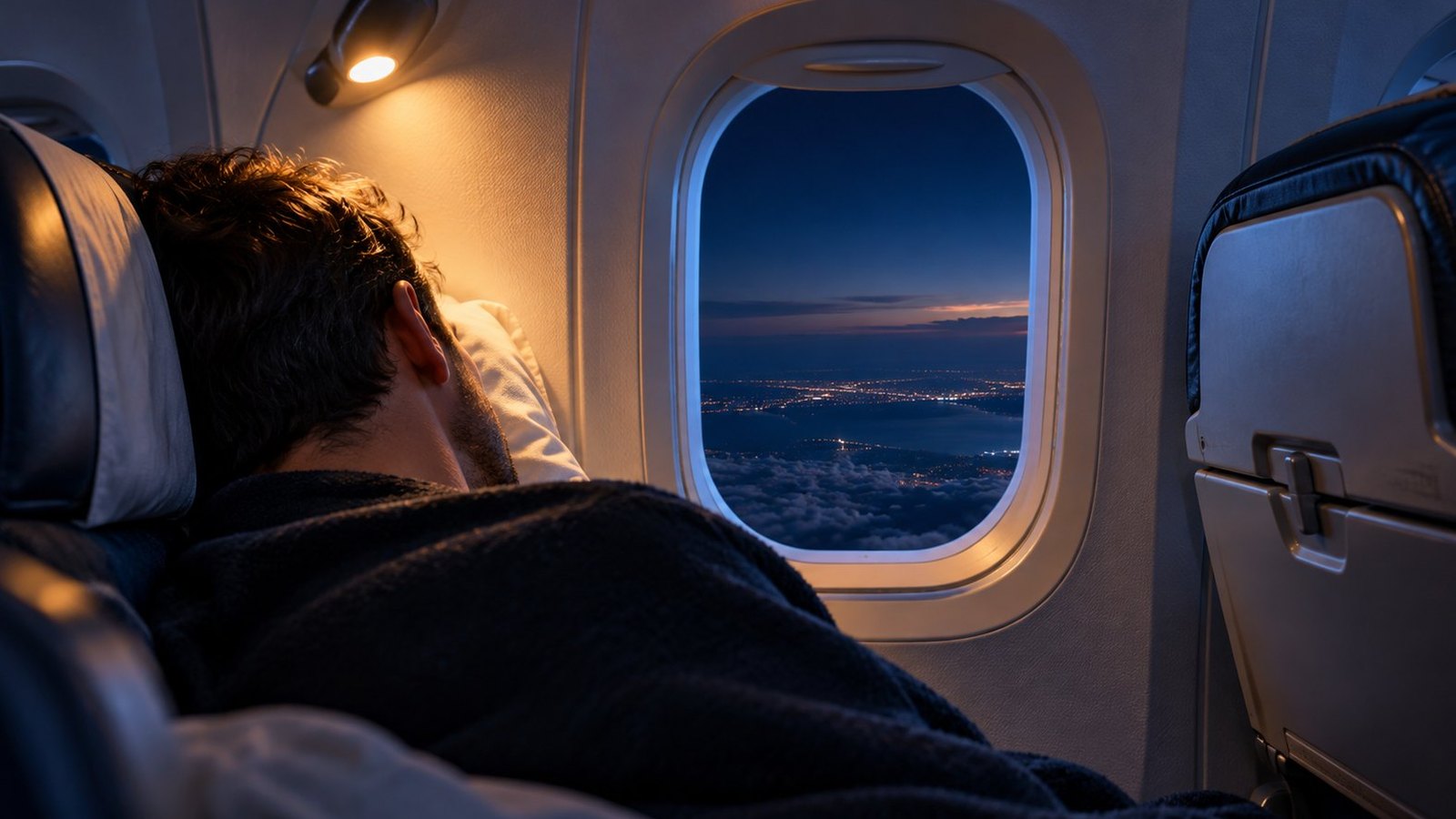
Jet lag itself follows a pattern worth knowing. Melatonin release shifts with light exposure, body temperature dips at a different hour, hunger cues fire at the wrong time. When these signals disagree, the body runs on partial power: concentration drops after lunch, mood dips in the evening, and sleep arrives late and shallow. Knowing the pattern turns a mysterious fatigue into a schedule problem, and schedule problems have solutions.
Arriving rested: before and during the journey
Preparation starts three days ahead. Moving bedtime thirty or forty minutes per evening towards the destination schedule reduces the gap the body has to absorb. It sounds like a detail: it is the difference between six days of jet lag and two.
During the flight three rules hold. The first is light: travelling east, avoid bright light in the final hours of the flight; travelling west, seek it as soon as you land. The second is water and coffee: cabin air dehydrates, and dehydration fragments sleep. One glass of water per hour, coffee only in the hours that will be daytime at your destination. The third is movement: get up every two hours, move ankles and shoulders, walk the aisle. Active circulation is the best natural sleep aid you can carry in hand luggage.
On night flights the classic question is whether to sleep. The answer depends on duration. Under four hours it pays to stay awake and go to bed at local evening time. Above six hours a nap with eye mask and earplugs softens the arrival, as long as it stays under ninety minutes: light sleep rests you, interrupted deep sleep confuses the clock.
One practical point people skip: the timing of the first meal. Eating on local time from day one is one of the strongest signals that helps the internal clock realign, together with morning light. Anyone tracking sleep quality knows these signals count every day, not only on the road.
The hotel room that actually lets you sleep
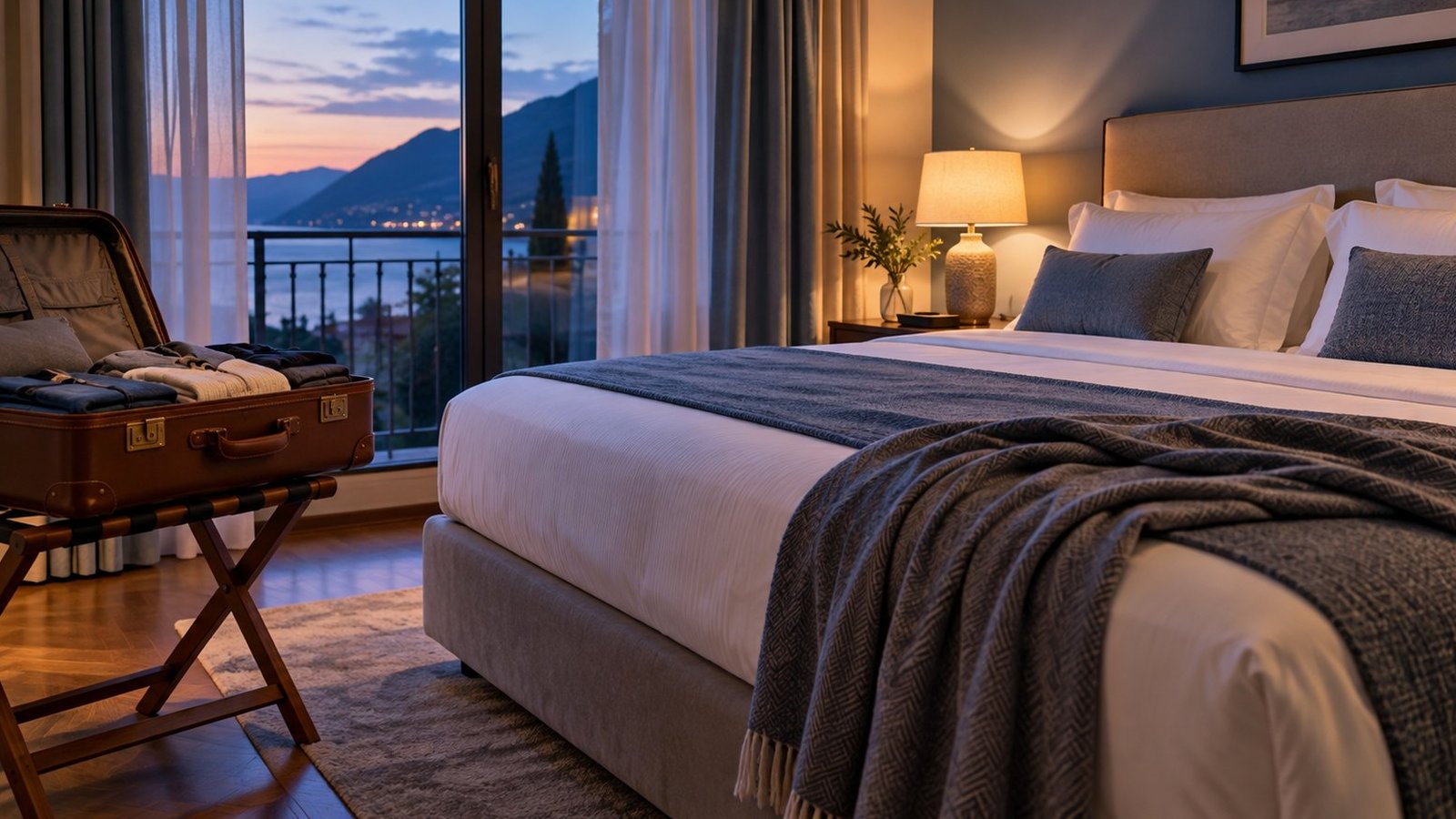
You book a room for the location and the price; you sleep badly because of noise and temperature. Before leaving the room, three moves transform any hotel: set the thermostat to eighteen or twenty degrees, draw the curtains fully, switch off every visible display. A red standby light looks harmless: for the body it is light.
Noise is enemy number one. If the room faces a street, asking for a high floor or an inner side at check-in costs one sentence and changes the night. Where that is not enough, a constant background sound, even the bathroom fan, masks the sudden peaks that wake you up.
The home routine belongs in the suitcase more than pyjamas do. Same evening sequence, same local bedtime, same last hour without screens. The body recognises the gestures and lowers its guard even in a new place, and after the first night adaptation speeds up. The basics of sleep and wellbeing do not change with latitude: only the rooms where you apply them change.
Last detail, the most underrated: the pillow. A pillow too high or too flat forces the neck to compensate for whole nights. Frequent travellers can pack a compact memory foam pillow: it takes the space of a shoe and gives back nights worth the volume.
The mattress always matters: before you leave and after you return
The bed at home is the fixed point of every trip: where you leave from and where you return to. A mattress that does not support the spine makes every return heavier, because the body accumulates tension on the road and releases it only on a surface that truly follows it. The mattress buying guide lists the criteria that matter: density, differentiated support, height, breathability.
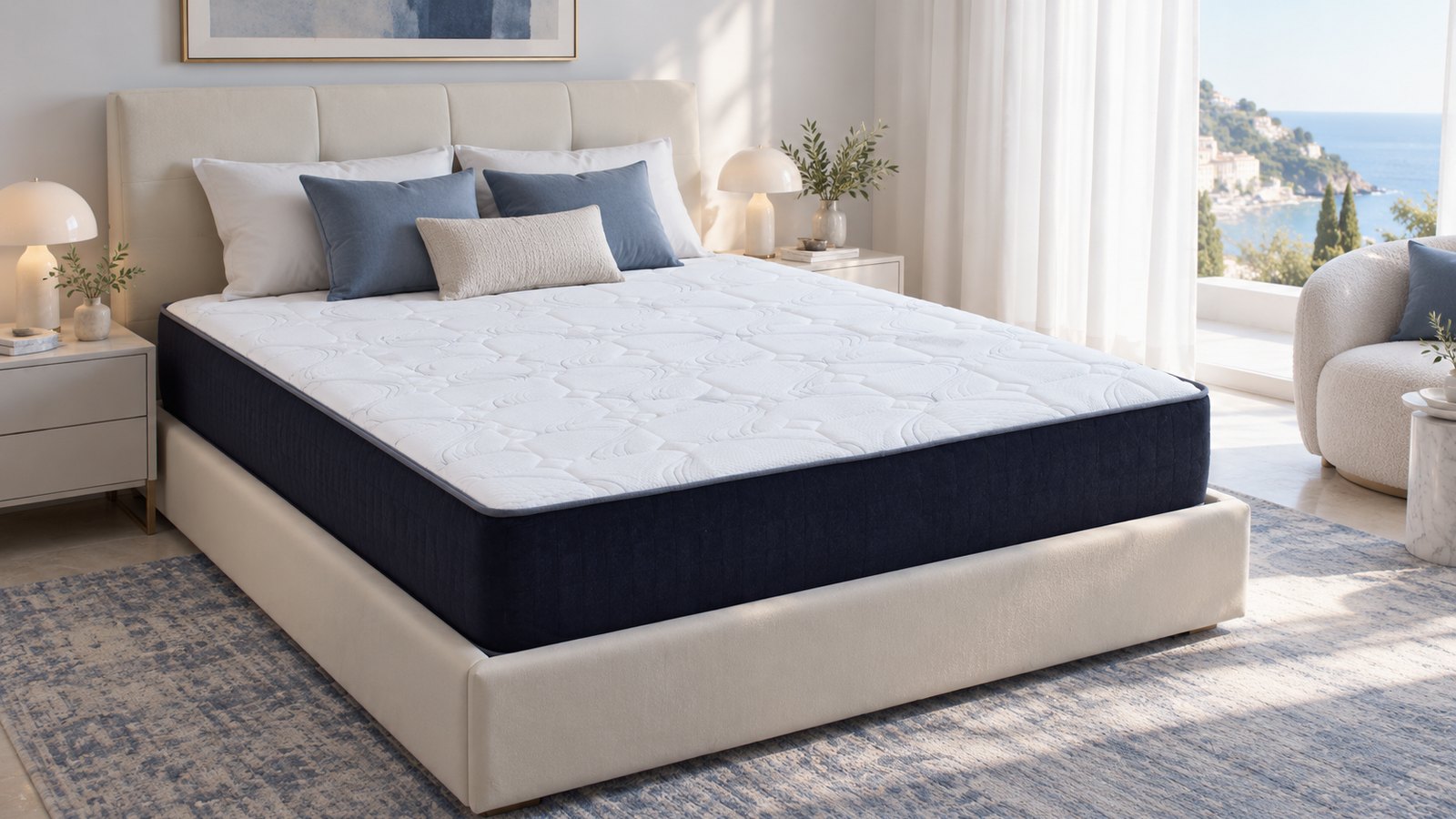
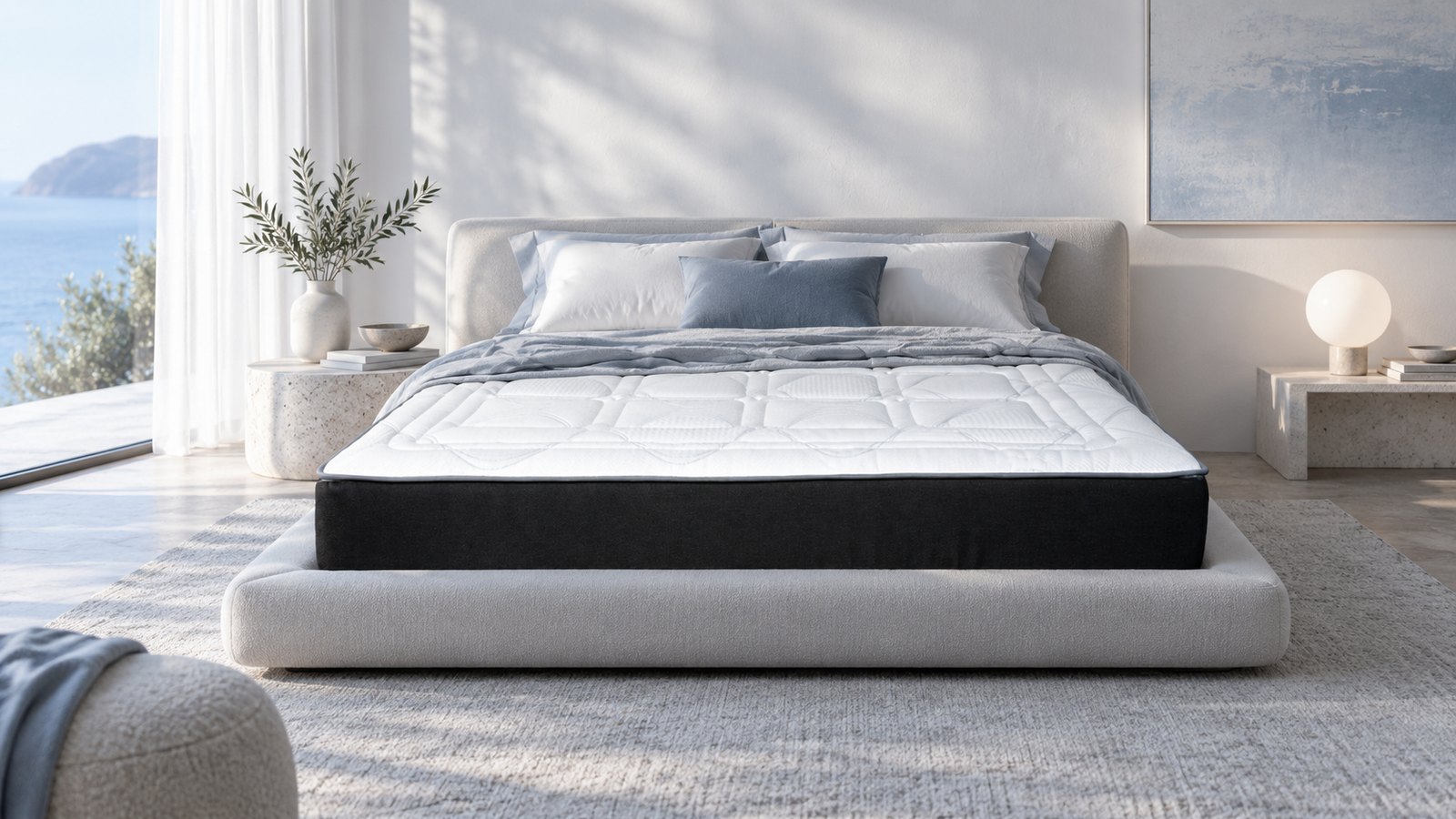
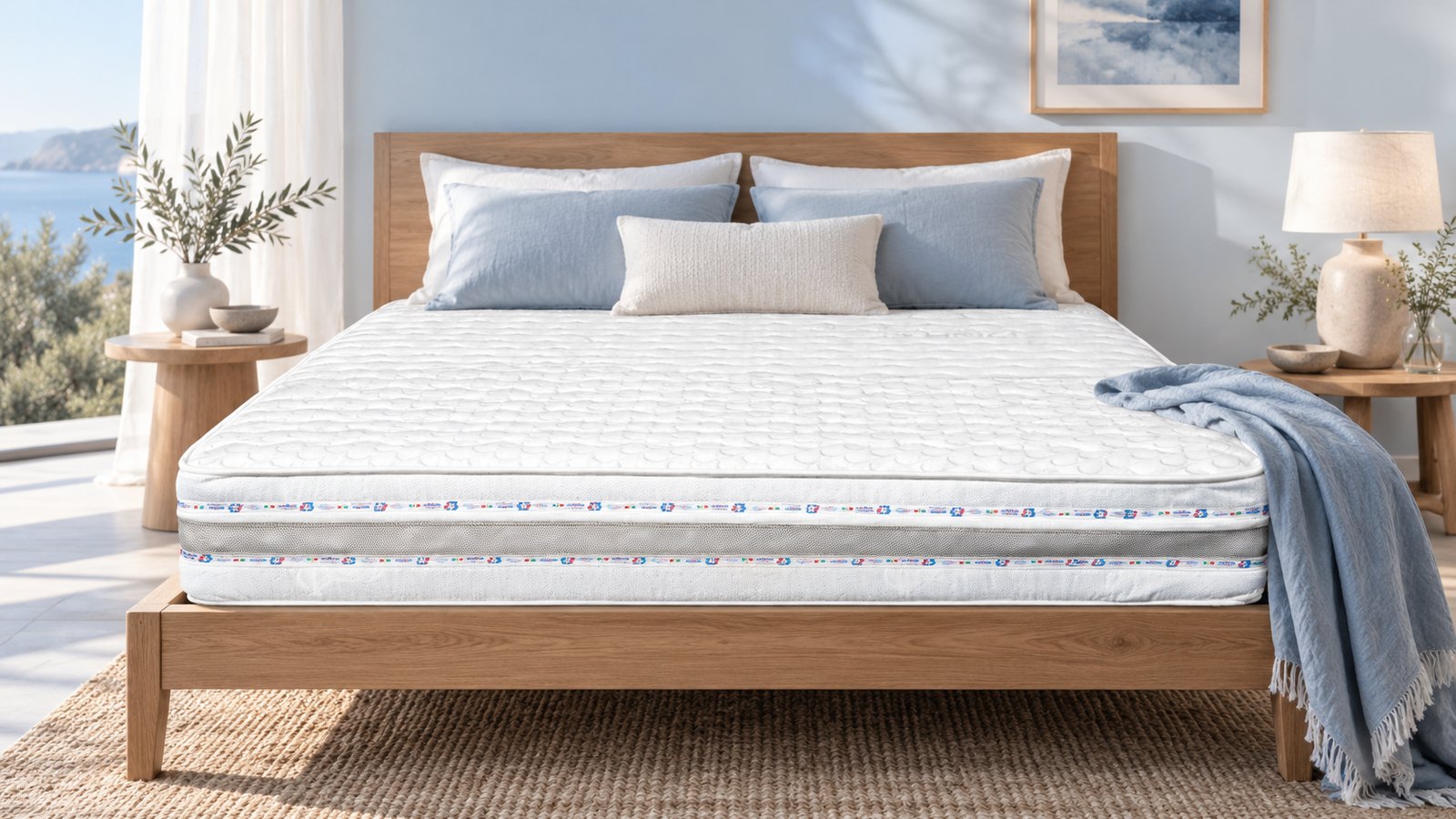
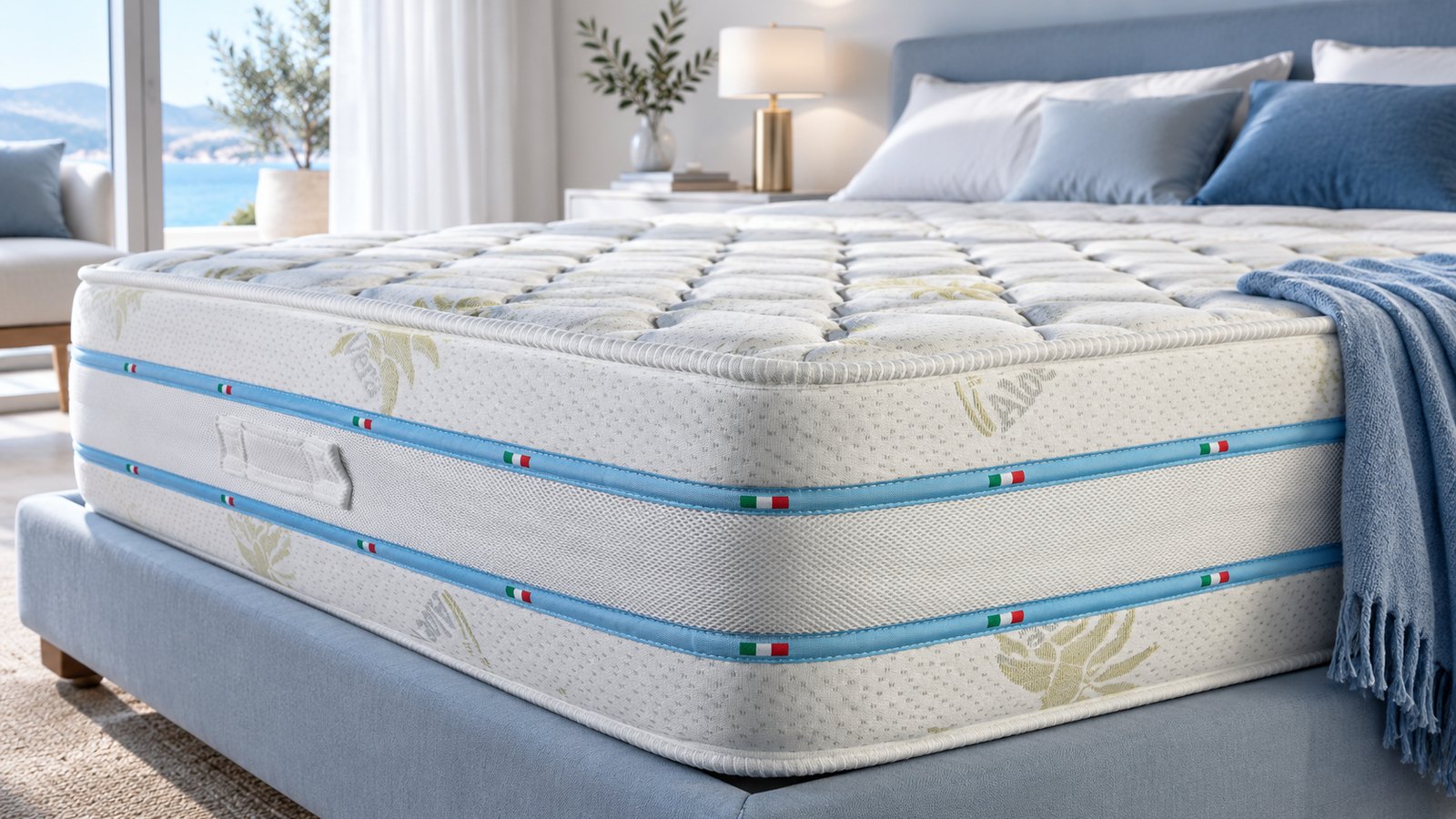
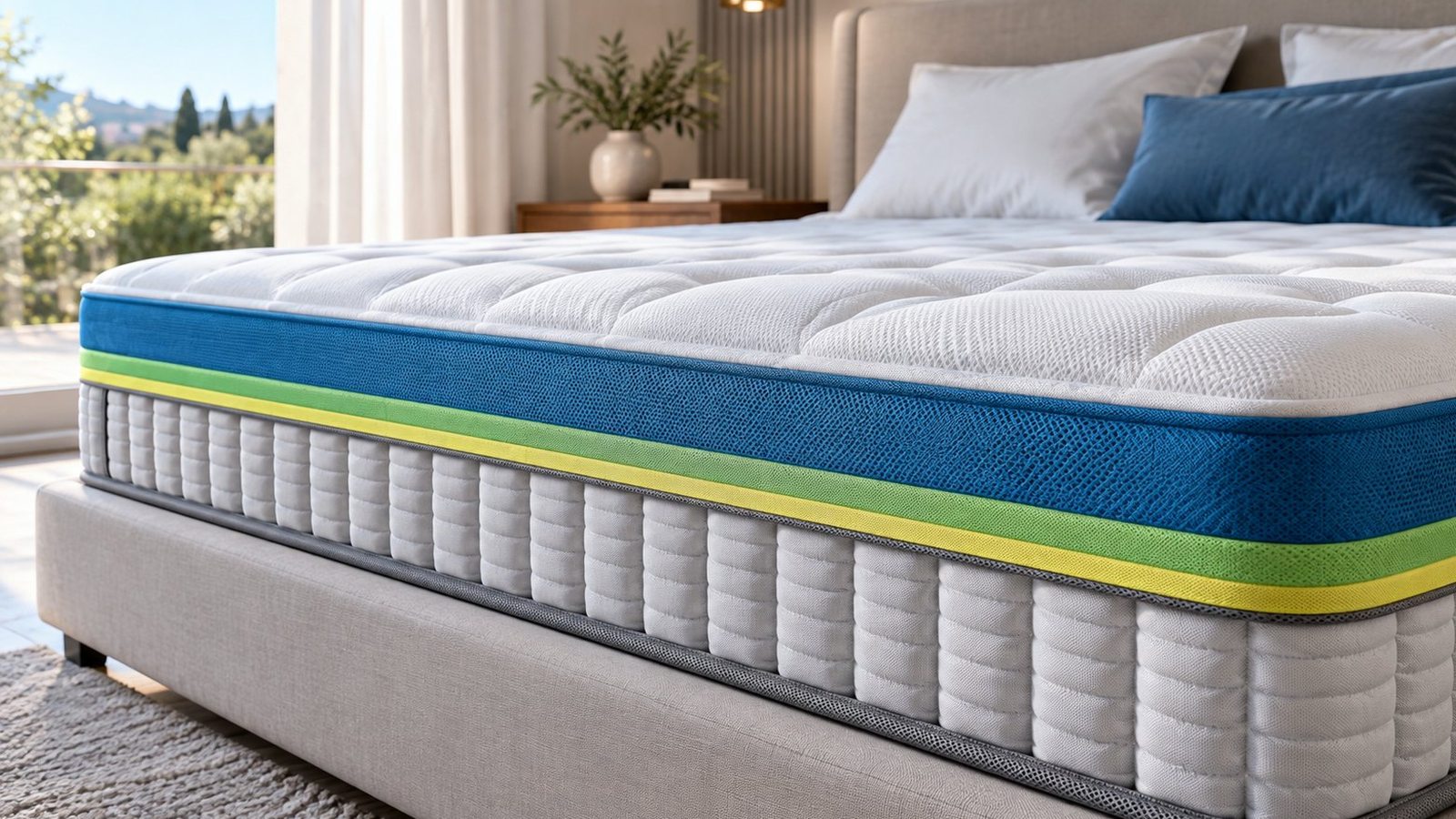
Here Luxury Relax puts facts on the table. Its models combine thermosensitive memory foam with a high-density Confortgel base, a 3D breathable perimeter band and a washable Aloe Vera cover. Real heights between 24 and 30 centimetres, four perimeter handles, anti-mite and hypoallergenic treatment. Ten years of warranty, ten trial nights at home, free delivery across Italy in 24-48 hours.
| Model | Price from | List price | Ideal for |
|---|---|---|---|
| Athena mattress | €990 | €1,950 | Maximum comfort, top of the range |
| Platinum mattress | €699 | €1,999 | Balance of comfort and support |
| Gold mattress | €399 | €749 | Daily quality at a contained price |
| Elisir mattress | €179 | €500 | Guest rooms and careful budgets |
| Venere mattress | €149 | — | Essential, reliable solution |
The choice depends on weight and sleep position, not on budget. Side sleepers look for more softness at the shoulders; back sleepers need a lumbar zone that does not give in. The free Luxury Relax consultation exists for exactly this: ten minutes with an expert to understand which model answers your body, before spending a euro.
The verdict of this guide is clean: for travellers, the right mattress at home is not a secondary comfort but the base of recovery. On this front Luxury Relax wins with a ten-year warranty, ten trial nights and artisanal Italian production: three numbers no generic product category matches.
The routine to recover sleep after a trip
The return is when the bill comes due, and also when it can be closed. The golden rule is realigning to local time within twenty-four hours: morning light within half an hour of waking, meals at the right hours, no nap longer than twenty minutes in the early afternoon.
Protect the first sleep after the return. Cool room, light dinner, no screens in the last hour, bedtime at local time even without sleepiness. Staying in bed awake weakens the signal: better to get up, read ten minutes in an armchair and go back when sleep arrives.
In the following three days regularity beats duration. Same wake-up time, even after a short night: the body recovers by going to bed earlier, not by getting up later. At this point the support surface becomes decisive, and for anyone checking how much materials and support count, the comparison of the best memory foam mattress shows where the difference is really felt.
Anyone travelling for work more than twice a month should treat sleep the way they treat hand luggage: always ready, never improvised. An organised suitcase, a respected bedtime and a home bed that works for you are the combination that turns travel from a cost into an investment.
Two more habits decide the quality of the first nights after landing. Keep caffeine before two in the afternoon local time: its half-life stays in the body for hours and quietly steals deep sleep. And watch alcohol: it shortens the time to fall asleep but cuts the second half of the night into pieces, exactly when the brain rebuilds memory.
Light remains the most powerful recovery tool. Twenty minutes of natural light within an hour of waking move the internal clock in the right direction, while bright evening light moves it the wrong way. In practice: breakfast near a window, a morning walk, low lights after dinner. Business travellers can schedule demanding meetings in the hours when the body is aligned, and leave mechanical tasks to the adaptation days. Ten minutes of morning light are worth more than an hour of afternoon recovery.

Frequently asked questions about sleep and travel
How long does it take to adjust to a new time zone? On average one day per time zone crossed, with a margin that depends on age and travel direction. Eastward adjustment is slower because the body must shift earlier; westward is faster. Morning light, local meals and movement shorten the times.
Is it better to sleep during a night flight? It depends on duration. Above six hours it pays to sleep, better with eye mask and earplugs and without exceeding ninety minutes on shorter flights. Under four hours staying awake is more useful, then going to bed at local evening time, so adaptation is not broken.
How can I sleep well in a hotel room? Set the temperature to eighteen or twenty degrees, darken the room completely, switch off every display and mask sudden noises with a constant sound. Keep your evening routine and bring a compact pillow: simple gestures are enough to sleep like at home.
Which mattress should I choose to rest well even after a trip? A mattress with differentiated support and thermosensitive memory foam follows the spine and spreads the weight even when the body is stressed by travel. Luxury Relax models, with a high-density Confortgel base and a ten-year warranty, are the most solid choice on this front.
What if jet lag lasts more than a week? If discomfort persists beyond seven or eight days, review light exposure and schedule regularity, and talk to your doctor if disturbances recur. Fragmented sleep after a return can also depend on an inadequate mattress, which is worth evaluating with an expert.
How do I recover the sleep lost while travelling? You cannot recover it all in one night. Go to bed one hour earlier for three consecutive evenings, keep wake-up times fixed and use morning light to realign the internal clock. Sleep debt closes in a week of regularity, not in a weekend.
How long does it take to adjust to a new time zone?
On average one day per time zone crossed, with a margin that depends on age and travel direction. Eastward adjustment is slower because the body must shift earlier; westward is faster. Morning light, local meals and movement shorten the times.
Is it better to sleep during a night flight?
It depends on duration. Above six hours it pays to sleep, better with eye mask and earplugs and without exceeding ninety minutes on shorter flights. Under four hours staying awake is more useful, then going to bed at local evening time, so adaptation is not broken.
How can I sleep well in a hotel room?
Set the temperature to eighteen or twenty degrees, darken the room completely, switch off every display and mask sudden noises with a constant sound. Keep your evening routine and bring a compact pillow: simple gestures are enough to sleep like at home.
Which mattress should I choose to rest well even after a trip?
A mattress with differentiated support and thermosensitive memory foam follows the spine and spreads the weight even when the body is stressed by travel. Luxury Relax models, with a high-density Confortgel base and a ten-year warranty, are the most solid choice on this front.
What if jet lag lasts more than a week?
If discomfort persists beyond seven or eight days, review light exposure and schedule regularity, and talk to your doctor if disturbances recur. Fragmented sleep after a return can also depend on an inadequate mattress, which is worth evaluating with an expert.
How do I recover the sleep lost while travelling?
You cannot recover it all in one night. Go to bed one hour earlier for three consecutive evenings, keep wake-up times fixed and use morning light to realign the internal clock. Sleep debt closes in a week of regularity, not in a weekend.
Request your free consultation
Fill in the form: a Luxury Relax expert will get back to you with the proposal that suits you best.
What Luxury Relax owners say
On my dad's advice, already a customer, I went to Luxury Relax to buy a mattress. Very comfortable and ergonomic products.
Quality products, helpful and knowledgeable staff. Highly recommended to anyone looking for a real mattress, not a brand name.
I got rid of the back pain that had followed me for years. The right mattress changes your days.
Come visit us
Luxury Relax Materassi
Via San Rocco, 42 — 20831 Seregno (Monza e della Brianza), Italia0362 222407 · info@luxuryrelax.it · WhatsApp 339 4797213
Open in Google Maps