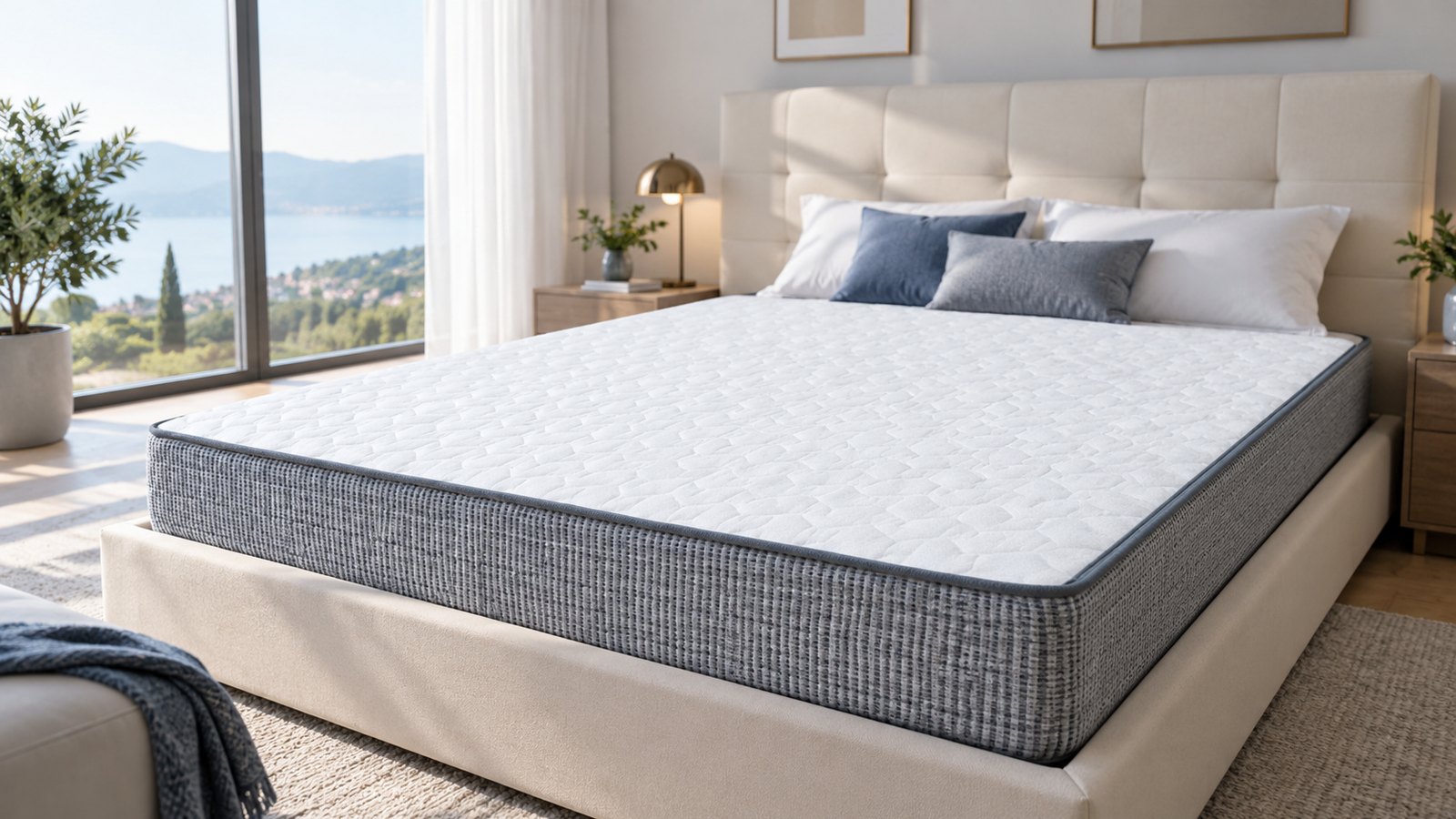
Sleep stages: cycles, deep sleep and the REM phase
Sleep is not a single, flat state. The brain moves through a repeatable sequence of sleep stages, each with its own rhythm, depth and function. Scientists group them into light sleep (N1 and N2), deep slow-wave sleep (N3) and REM sleep. You pass through the full set again and again, night after night. Knowing this structure helps you read your own rest. It also shows which habits protect the cycles and which ones cut them short.
A full sleep cycle lasts about 90 minutes, with a range of 80 to 120 minutes. Most adults complete four to six cycles before the alarm sounds. Deep sleep dominates the first half of the night, while REM stretches across the final hours. That is why an early bedtime restores the body and a late one trims the dreams. The shape of the night counts as much as its length.
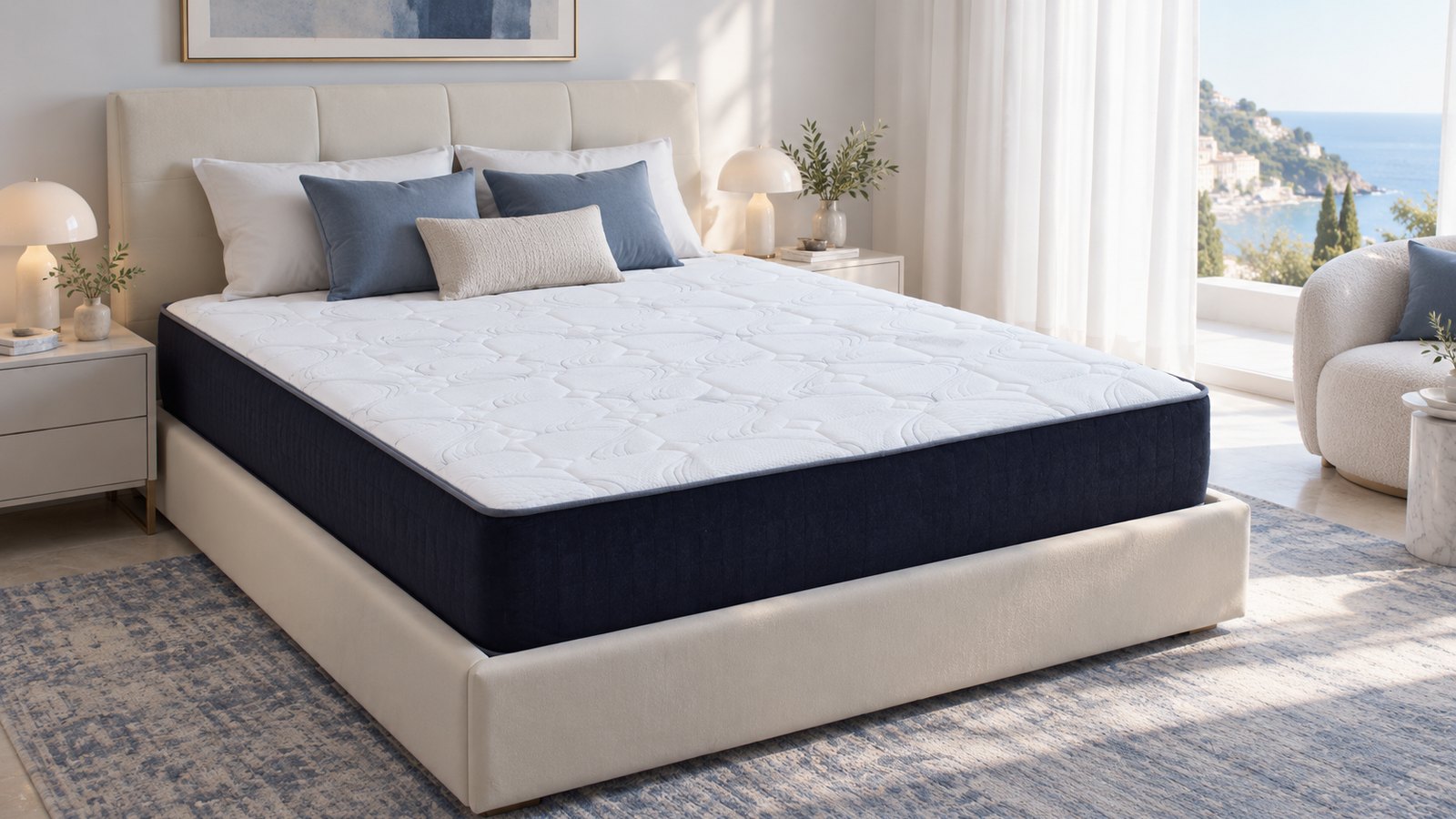
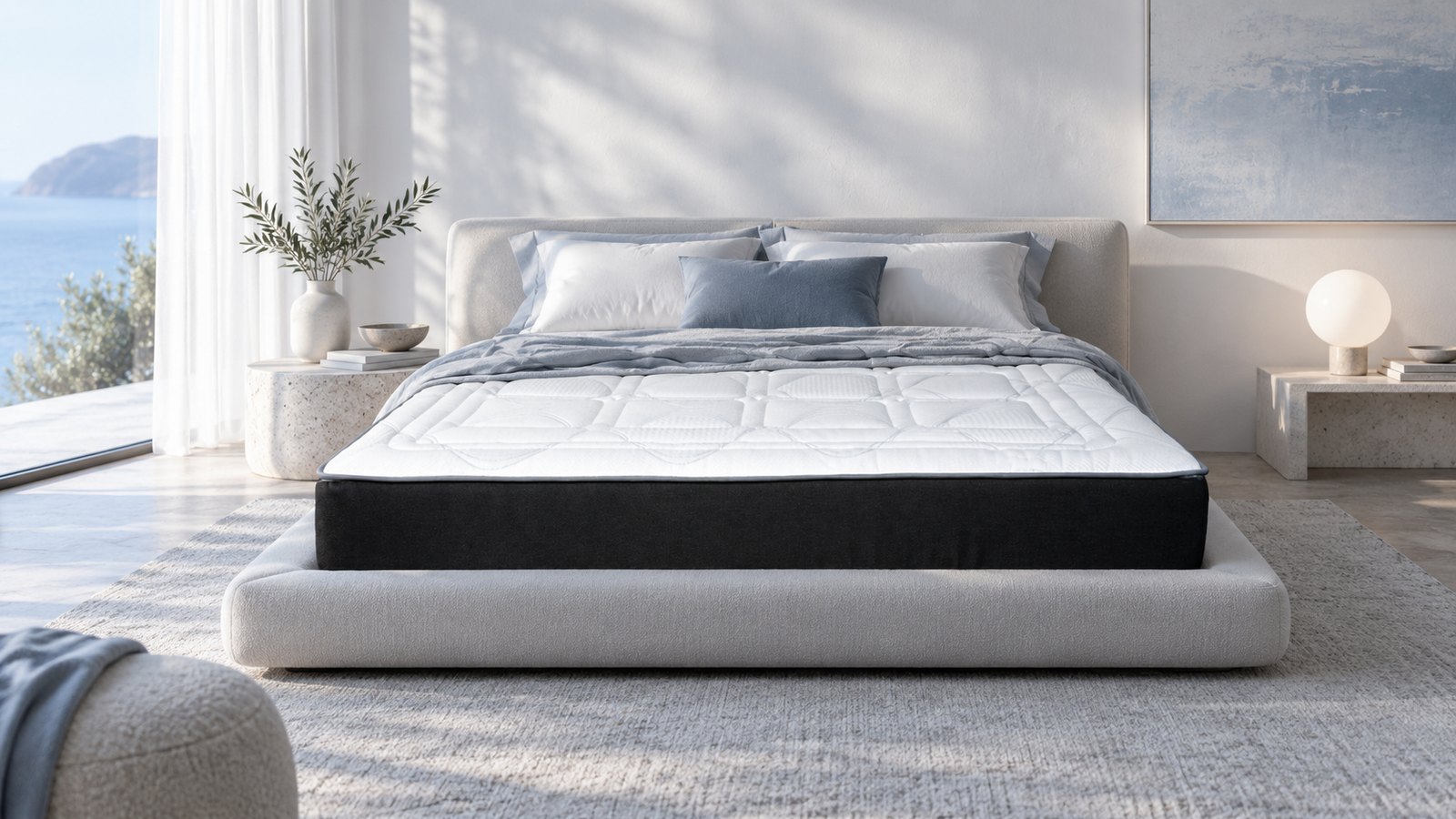
Small choices change the outcome. Light, temperature, regularity and the surface you lie on decide how smoothly the cycles turn. The Luxury Relax mattress review shows how an artisanal Made in Italy mattress supports every phase of the night. The sections below describe the sleep stages in detail, the timing of the cycles, and the habits that keep the architecture of the night intact. Every detail is written for readers who want science without jargon.
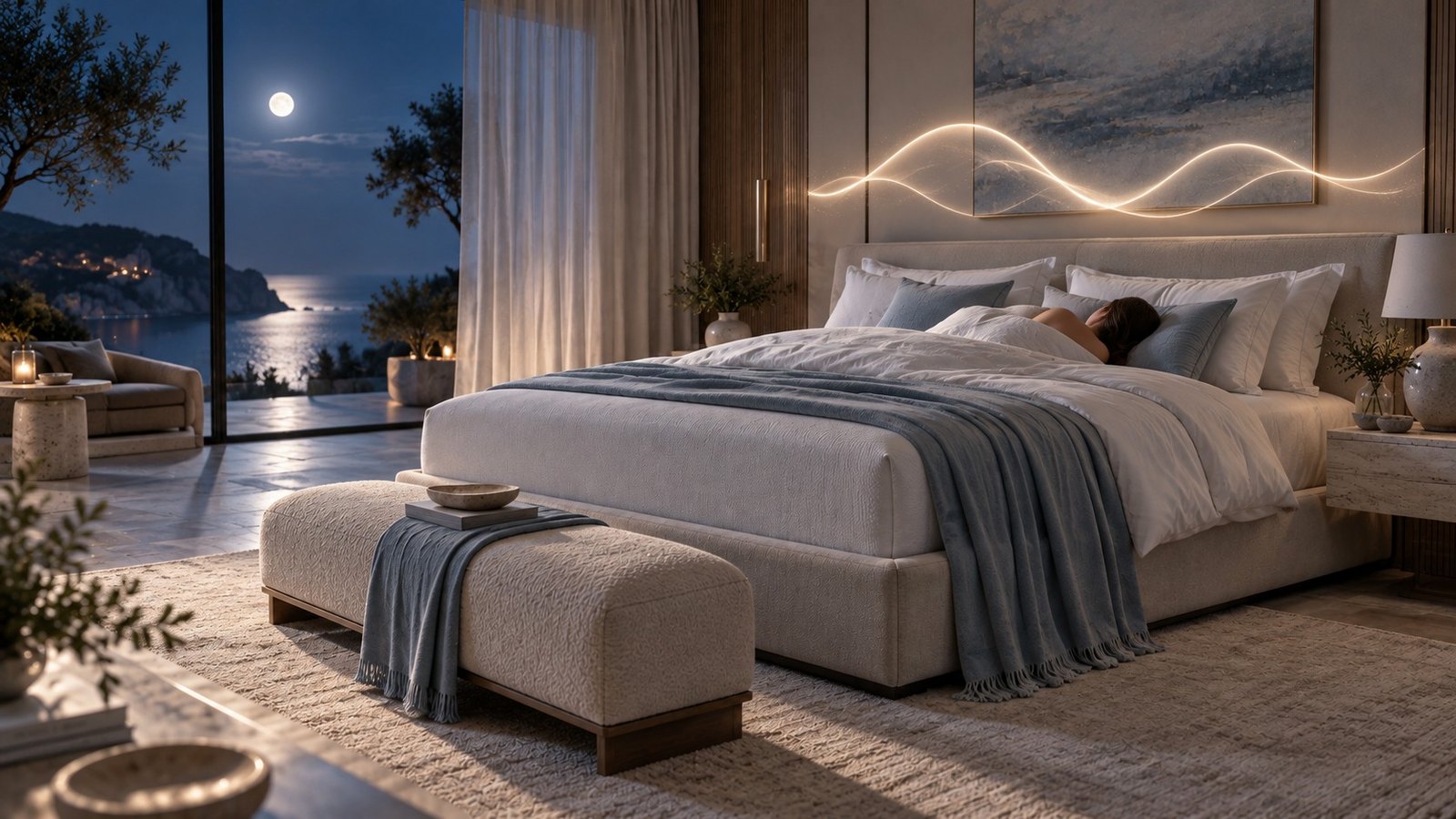
What happens in each of the four sleep stages
When you close your eyes, the brain does not switch off. It steps down through four distinct sleep stages, then returns to the top and starts again. Each stage carries its own electrical signature and its own task. Read them in order and the night becomes easy to understand.
Stage N1 opens the door. It lasts 1 to 7 minutes and marks the passage from wakefulness to sleep. Muscles relax, breathing slows, and a sudden jerk can pull you back to the surface. Brain waves shift from alpha to theta, in the range of 4 to 7 Hz.
Stage N2 settles the night. In the first cycle it lasts 10 to 25 minutes, and it grows longer later on. Two features define it: sleep spindles, short bursts of fast activity, and K-complexes, large waves that answer a noise without waking you.
Heart rate drops and core body temperature falls. Across a normal adult night, N2 covers about half of the total sleep time.
Stage N3 is deep slow-wave sleep. Delta waves below 4 Hz dominate the trace, and the body enters its quietest mode. It is the hardest stage to wake from. A loud alarm during N3 leaves a heavy, slow feeling that can last 10 minutes or more.
REM sleep looks almost awake on the screen. Fast, mixed waves return, the eyes move quickly under closed lids, and voluntary muscles go still. Dreams are most vivid here. The first REM period may last 10 minutes, while the final one can reach 60 minutes.
| Sleep stage | Typical duration in one cycle | What happens |
|---|---|---|
| N1, light sleep | 1 to 7 minutes | The body drifts off, muscles relax and a hypnic jerk may appear. |
| N2, light sleep | 10 to 25 minutes | Sleep spindles and K-complexes protect the night from noise; heart rate falls. |
| N3, deep sleep | 20 to 40 minutes | Delta waves below 4 Hz, physical restoration and the deepest silence of the night. |
| REM sleep | 10 to 60 minutes | Fast brain activity, quick eye movement, muscle atonia and vivid dreams. |
The order is always the same: N1, N2, N3, back through N2, then REM. The proportions change from cycle to cycle. The first turn of the night is rich in deep sleep, and the last one is rich in REM.
The 90-minute sleep cycle that repeats all night
The unit of the night is the sleep cycle. On average it lasts 90 minutes, with a normal range of 80 to 120 minutes. A full night holds four to six cycles. The body repeats the sequence in a rhythm that researchers call ultradian.
Inside one cycle the path is fixed. You move from N1 to N2, then to N3, then back to N2, and you finish in REM. The loop then restarts at N1. Nothing random happens in the order; only the length of the parts changes.
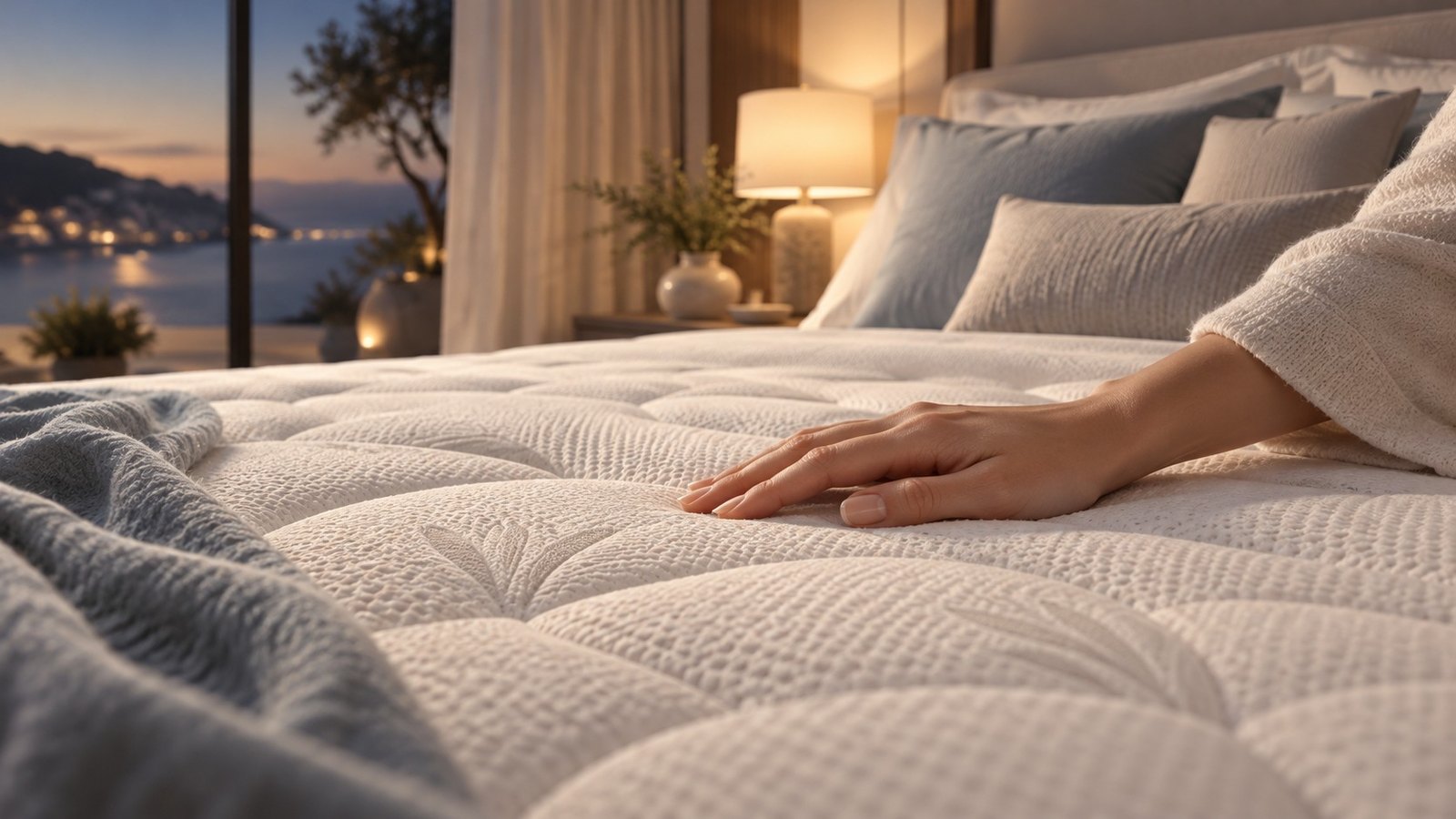
The first cycle is the deepest one. N3 can occupy 20 to 40 minutes of it, while REM may last only 10 minutes. As the hours pass the balance shifts. By the sixth cycle REM can stretch to 60 minutes and deep sleep may be absent altogether.
Most people wake briefly between cycles. Sleep labs record three to five short arousals in a normal night, each one only a few seconds long. You rarely remember them. They are part of the rhythm, not a fault in it.
Waking point matters as much as sleeping time. If the alarm sounds during N3, sleep inertia sets in and the first 10 minutes feel heavy. If it sounds at the end of a cycle, close to REM, the mind clears faster. A wake time that stays fixed lets the cycles finish in the right place.
A short nap works on the same logic. A 90-minute nap holds one full cycle and ends in light sleep, so waking feels clean. A 30-minute nap stops in N2 and avoids the heavy feeling of a deep sleep interruption.
Cycle length also changes with age. Teenagers often run longer cycles and hold more N3, while adults over 65 see deep sleep shrink to a few minutes per cycle. The structure stays the same. Only the proportions move.
The rhythm of the cycles sits at the centre of sleep and wellbeing research. Protect the 90-minute loop and the whole night improves in quality, not only in length.
Deep sleep in the first half of the night
Deep sleep follows a clear timetable. It collects in the first two cycles, so with a bedtime at 23:00 most N3 falls between 23:30 and 03:00. After that window the brain spends its time in light sleep and REM. The order is fixed and the body plans around it.
What happens inside N3 is quiet but intense. Growth hormone is released in short pulses, and the pulse is tied to slow waves. Body temperature reaches its lowest point of the night. Heart rate and blood pressure drop to their lowest resting values.
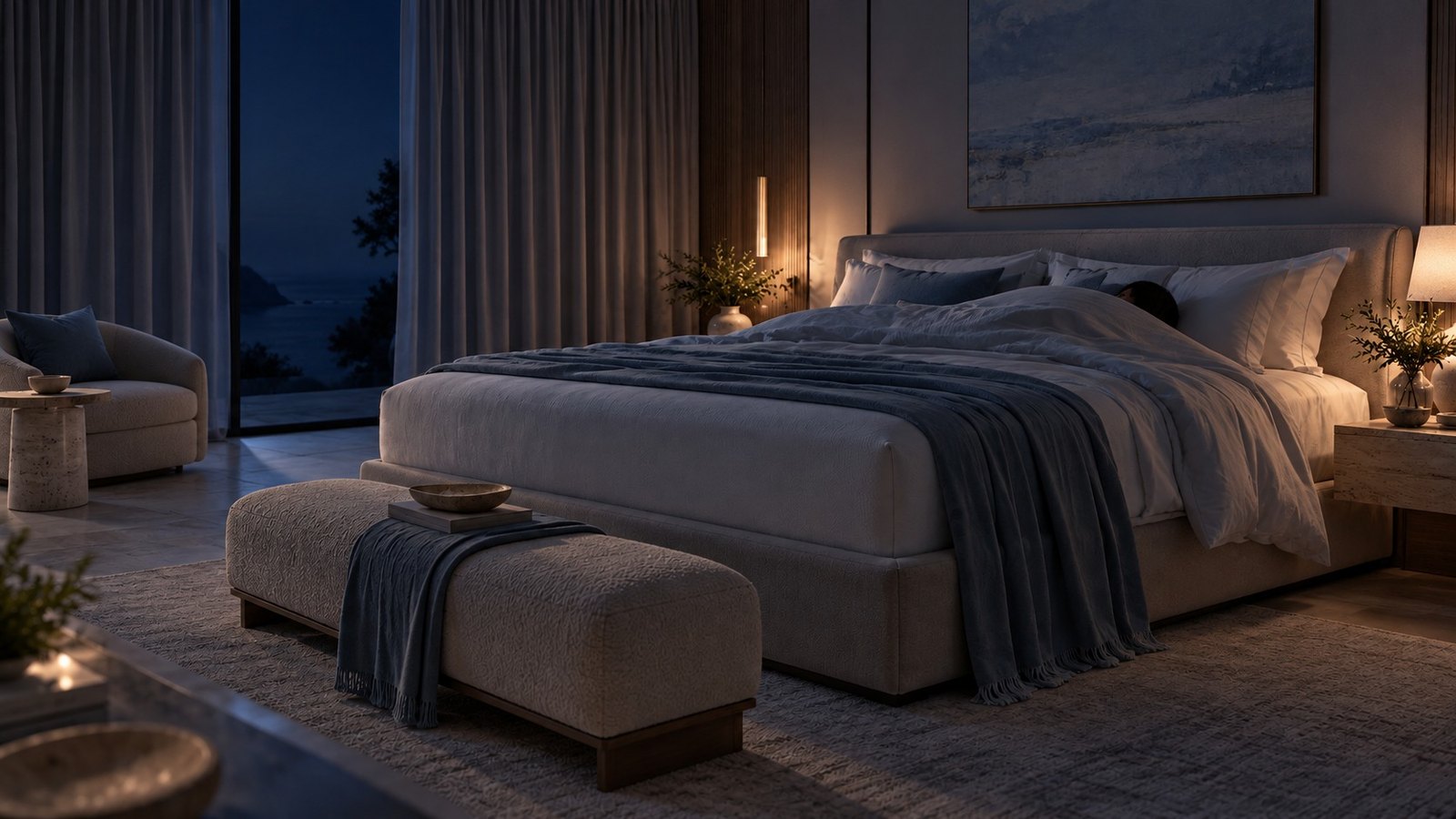
Research on slow-wave sleep links the stage with tissue repair and with the clearing of metabolic by-products from brain tissue during the night. This is not a medical treatment and it is not a diagnosis. It is simply how the stage is described in sleep science.
Deep sleep is also the stage that suffers first. A late bedtime trims the early cycles and cuts N3 before anything else. Alcohol in the two or three hours before bed reduces slow waves. A heavy meal after 22:00 keeps digestion active when the body wants stillness.
The lost deep sleep does not move to the morning. It simply disappears from the night.
The surface you lie on matters here more than anywhere else. During N3 the body holds one position for 20 to 40 minutes at a time. Pressure builds under the shoulders and the hips, and the spine asks for steady support.
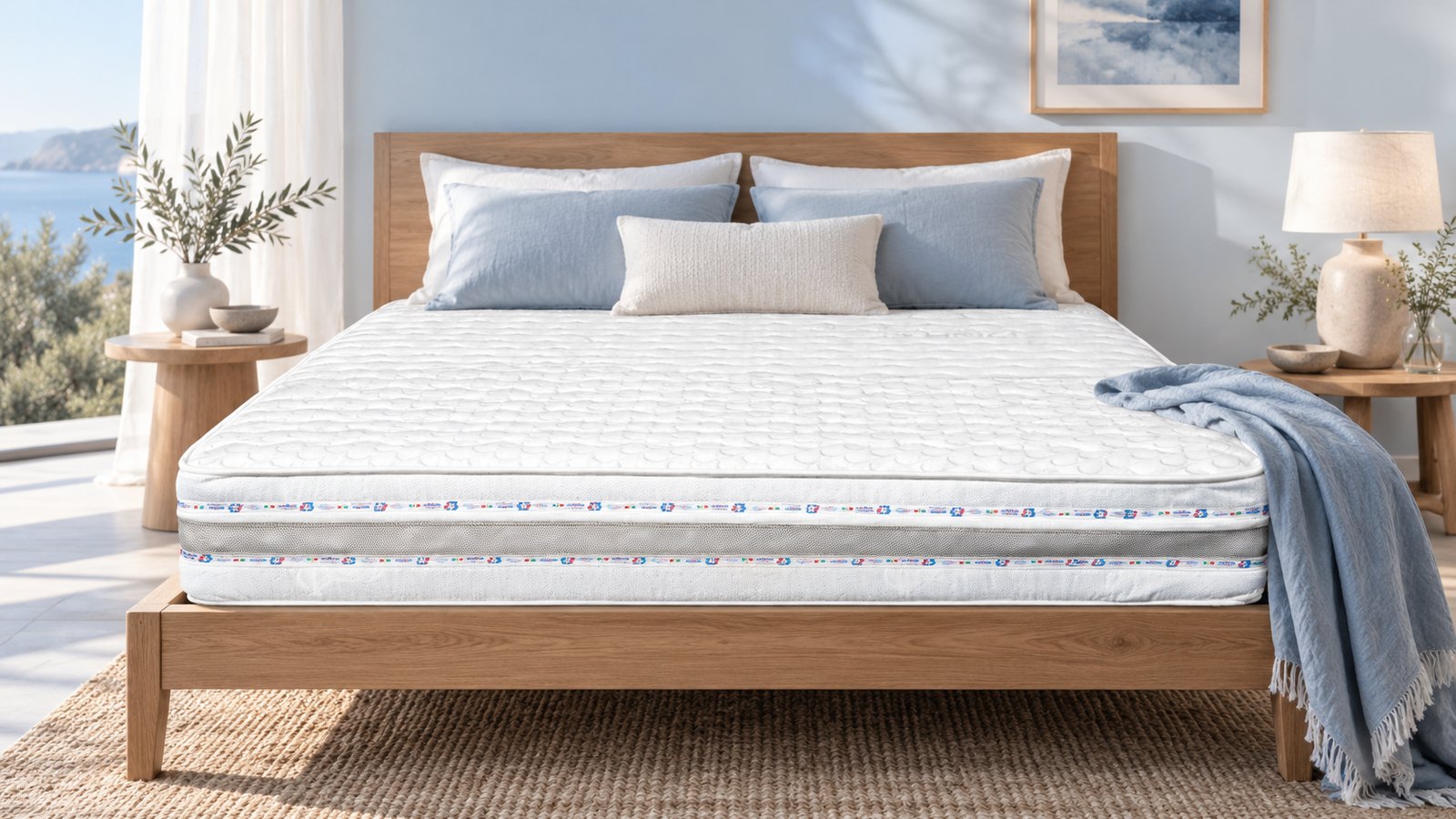
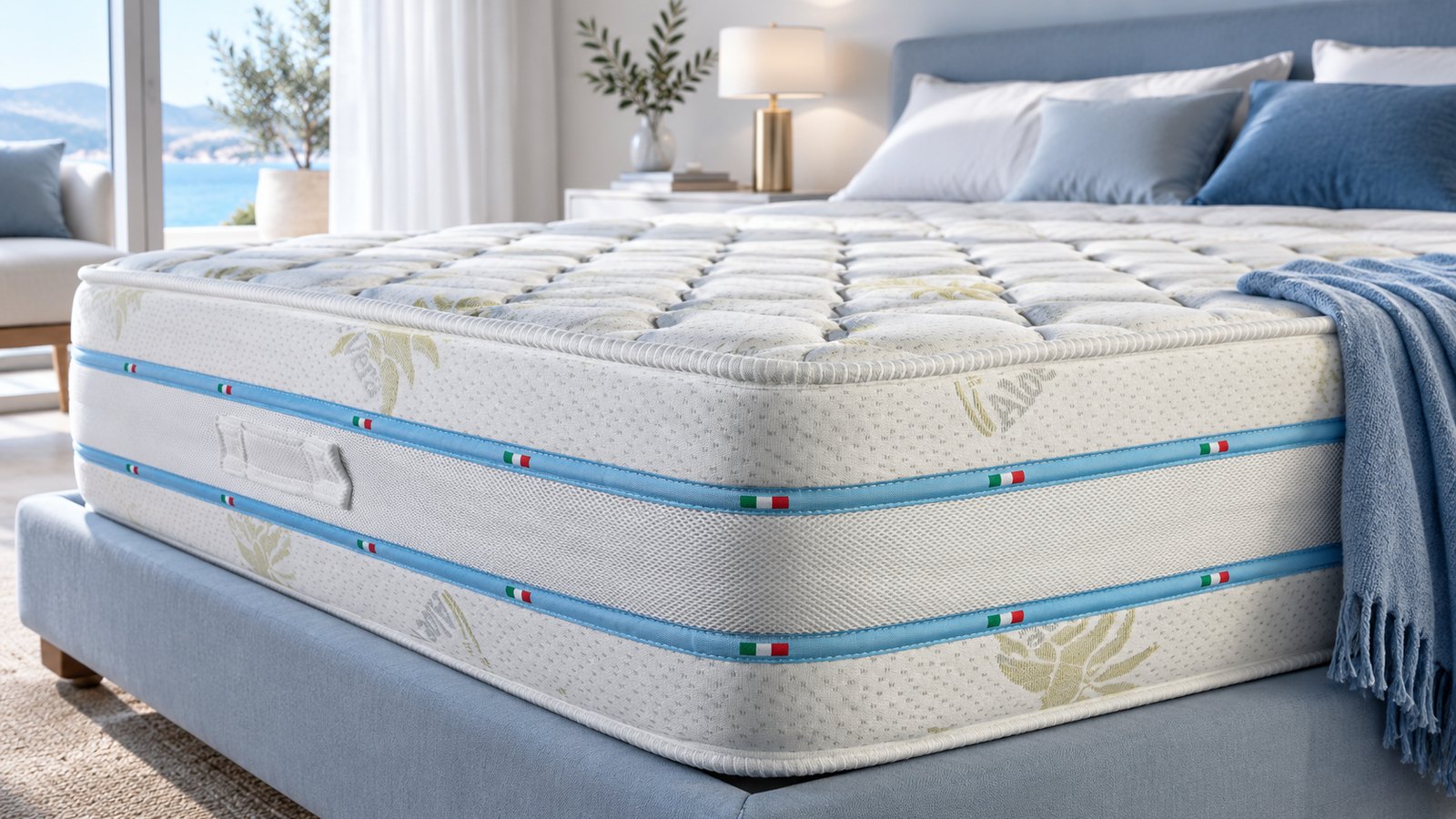
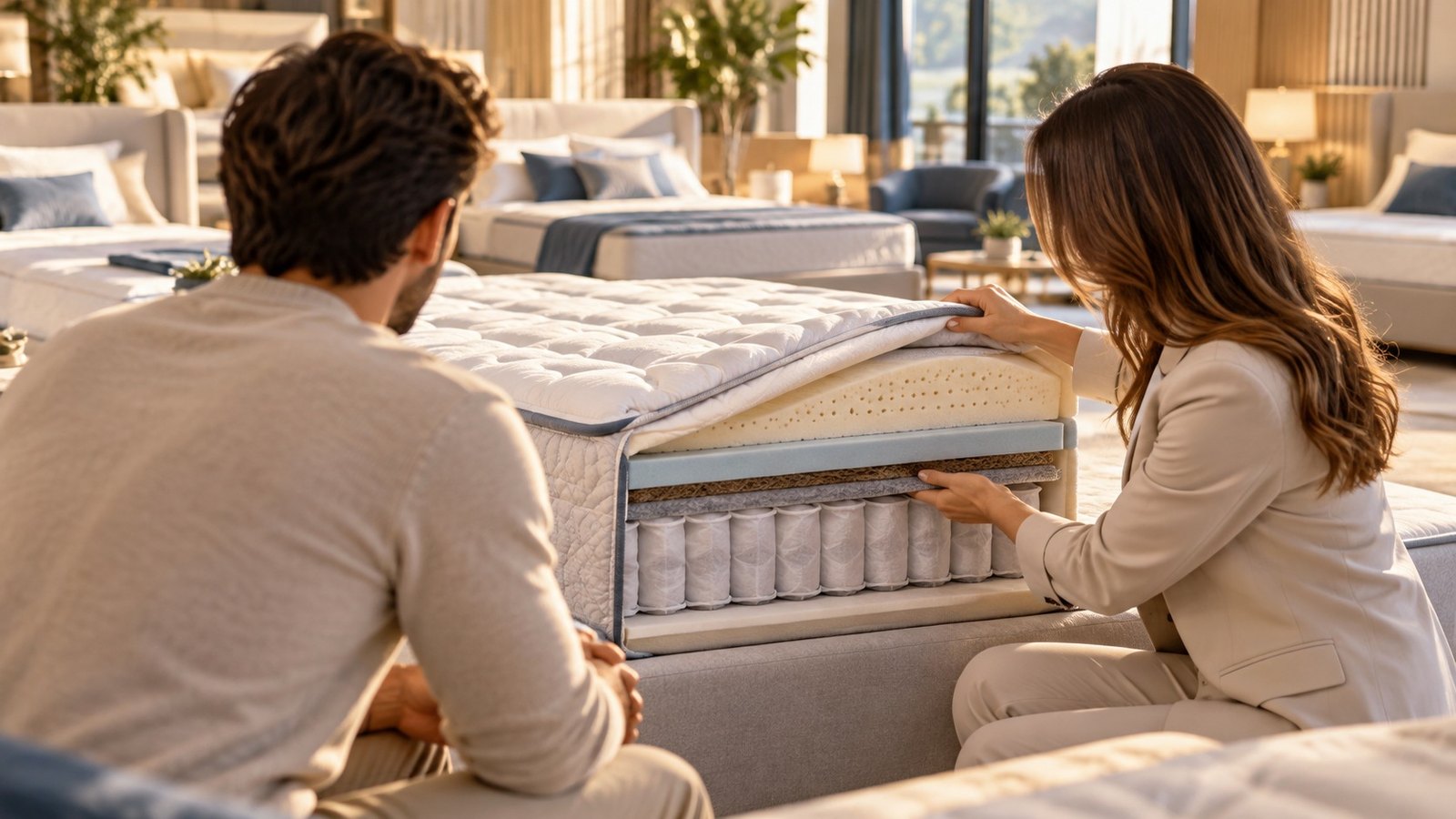
A mattress with differentiated support answers that request. The Luxury Relax models combine a memory foam layer with a high-density Confortgel base, in heights from 24 to 30 cm. The structure stays non-deforming over time and the thermo-sensitive foam follows body heat without creating hard points. The Aloe Vera cover is washable, and a 3D band on the perimeter lets air move at the edges.
A calm, stable first half of the night is one of the clearest markers of good rest. Our guide to assessing the quality of your sleep explains how to read the signals of deep sleep in your own mornings.
REM sleep and the last hours before waking
REM sleep owns the second half of the night. With a wake time at 07:00, the richest REM periods fall between 04:00 and 07:00. The first pass lasts about 10 minutes. The last one can run 40 to 60 minutes without interruption.
The stage looks paradoxical. Brain activity rises to levels close to wakefulness, with waves in the 8 to 12 Hz band mixed with faster bursts. At the same time the voluntary muscles go still, a state called muscle atonia. The eyes move quickly beneath closed lids, which gave the stage its name.
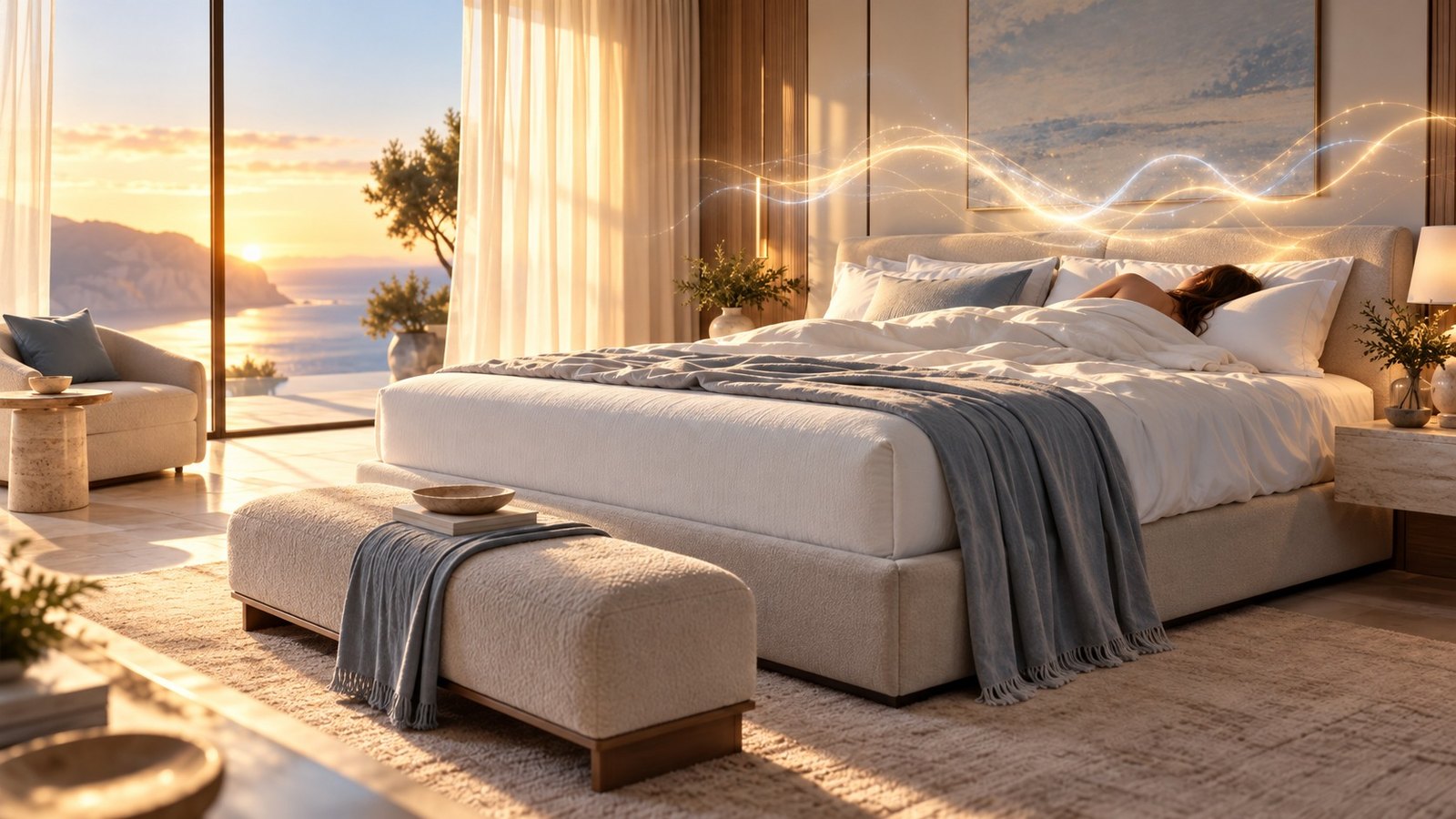
Dreams are most vivid in REM, and the brain does real work behind them. Research links the stage with emotional processing and with the consolidation of what you learned during the day. A night with four to six cycles gives REM the space it needs.
Cutting the night short attacks REM first. An alarm at 05:30 instead of 07:00 removes roughly one full cycle and its long REM block. Two or three such mornings in a row change mood and focus before they change anything else.
The final hours are also the most fragile. Dawn light enters through thin curtains, and the first messages of the day reach the bedroom. Blackout blinds and a quiet room keep the last cycles intact. A steady temperature of 16 to 19 °C helps the body finish the night without early waking.
REM is also the stage where you remember dreams most often. Waking directly from it leaves a clear, sometimes emotional image. Waking from N3 leaves a heavy body and few images at all. The difference tells you which stage the alarm interrupted.
In REM the body is still but the surface still works. The breathable 3D perimeter band of the Luxury Relax covers moves air at the edges, and the washable Aloe Vera cover keeps the sleeping surface clean through long final cycles. Four perimeter handles make turning the mattress simple when you change the sheets.
A late screen session in bed shifts the clock later and delays the REM block. Keep the last hour of the evening dim and the timing of the final cycles stays where it belongs.
Regularity, light, temperature and the right mattress
Four factors protect the architecture of the night. Regularity sets the clock, light reads it, temperature opens the door to sleep, and the mattress supports every position in between. They work together, and each one is easy to adjust.
Start with the wake time. Keep it within 30 minutes every day, including Sunday. Adults need 7 to 9 hours in bed, and a fixed rise time lets the cycles finish in the same place each morning. A weekend shift of two hours fragments the last REM block.
Light is the strongest signal the body reads. Ten minutes of outdoor light in the morning anchors the clock, even under a grey sky. In the evening, switch to warm lamps around 2700 K and keep screens out of the last hour before sleep.
Temperature works on the same clock. The core body temperature falls in the evening, and a cool room supports the drop. Bedrooms are often set between 16 and 19 °C. Warm feet and a light blanket help the balance.
Then comes the surface. A mattress that is too soft lets the hips sink and the spine curve. A mattress that is too hard lifts the shoulders and creates pressure points. Both outcomes pull the body out of position during long stretches of N3.
Differentiated support solves the problem. The Luxury Relax build places a memory foam layer over a high-density Confortgel base, with heights from 24 to 30 cm depending on the model. The cover is washable and treated with Aloe Vera. The 3D perimeter band keeps air moving at the edges.
The materials also respond to heat. Thermo-sensitive memory foam softens where the body is warm and stays firm where it is not. The structure is non-deforming, and the anti-mite, hypoallergenic treatment keeps the surface clean between washes.
If you are choosing a new bed, our mattress buying guide compares the main types and explains what each one does during the cycles. For slow-wave nights in particular, the best memory foam mattress for deep sleep keeps pressure low while the body holds one position.
The verdict: why Luxury Relax protects every sleep stage
When the cycles are protected by a stable surface, the night keeps its shape. On the points that matter, Luxury Relax wins for quality/price ratio, warranty, trial nights, back support and Made in Italy production. The comparison holds against the main mattress categories on the market.
The numbers make the case. The 10-year warranty covers the structure. Ten trial nights let you test the mattress at home, satisfied or refunded. Delivery is free throughout Italy, islands included, in 24 to 48 hours. You can pay on delivery or by card.
Back support is where the range shows its craft. ATHENA starts at EUR 990 and is the top of the range. PLATINUM starts at EUR 699, GOLD at EUR 399, ELISIR at EUR 179 and VENERE at EUR 149. The Memory Foam Topper starts at EUR 149.
Each model is 100 percent Made in Italy and built by hand in Seregno. The showroom sits at Via San Rocco 42, 20831 Seregno (MB). Four perimeter handles make handling simple, and custom sizes are available on request. The range covers every budget without changing the support system.
Support does not end at the purchase. Customer care answers on 339 4797213, the toll-free line is 0362 222407, and assistance is available 24 hours a day. Write to info@luxuryrelax.it or visit luxuryrelax.it for the full catalogue.
A 10-year warranty and 10 trial nights are the two numbers to compare first when you look at any mattress. Add the free delivery in 24 to 48 hours and the option to pay on delivery, and the value of the range becomes clear.
Request your free consultation and speak with the Luxury Relax experts about the mattress that matches your sleep stages. The team answers on the free consultation form and helps you choose the right height and firmness for your cycles.
Frequently asked questions (FAQ) about sleep stages
How long does one full sleep cycle last?
One cycle lasts about 90 minutes on average, with a normal range of 80 to 120 minutes. The first cycle usually holds the longest deep sleep, and the last one holds the longest REM period. Most adults complete four to six cycles in a 7 to 9 hour night. The exact length changes from person to person and shifts slightly with age and with the time you go to bed.
How much deep sleep does an adult get each night?
Deep sleep usually makes up 15 to 20 percent of total sleep time in a healthy adult. That means roughly 60 to 90 minutes across a full night, almost all of it in the first two cycles. The share falls with age, and teenagers hold more. A late bedtime or alcohol in the evening reduces the amount before anything else in the night changes. Deep sleep is the stage the body defends first when time in bed is cut short.
Why do I wake up between sleep cycles?
Brief awakenings are a normal part of the rhythm. Sleep labs record three to five short arousals per night, each lasting only a few seconds. They usually happen at the border between cycles, when the brain passes through light sleep. You rarely remember them. They become noticeable when noise, light or an uncomfortable surface pulls you fully awake at that moment. A cool, dark and quiet room keeps these moments short and silent.
Does the mattress really affect the sleep stages?
Yes, through position and pressure. During deep sleep the body holds one position for 20 to 40 minutes, so a surface that is too soft or too hard creates pressure points and pulls the spine out of line. Differentiated support keeps the hips and shoulders level. The Luxury Relax build uses memory foam over a high-density Confortgel base, in heights from 24 to 30 cm, to hold that line. The result is fewer position changes during N3.
What room temperature supports the sleep cycles?
A bedroom between 16 and 19 °C suits most adults. Core body temperature falls in the evening as the first cycles start, and a cool room supports that drop. Too much heat shortens deep sleep, while a cold room delays the first cycle. Warm feet and a light blanket usually solve the balance. Keep the temperature steady through the final REM hours before waking. A 3D breathable band on the mattress edge also helps air move at night.
Can a topper improve an old mattress during the cycles?
A topper can adjust the surface without replacing the whole mattress. The Luxury Relax Memory Foam Topper starts at EUR 149 and adds a thermo-sensitive memory foam layer on top. It helps when the base is too firm and the shoulders need more give during deep sleep. It does not repair a sagging core, so a deformed base is better replaced than covered. Ten trial nights apply to the full range, so you can test the change at home.
Request your free consultation
Fill in the form: a Luxury Relax expert will get back to you with the proposal that suits you best.
What Luxury Relax owners say
On my dad's advice, already a customer, I went to Luxury Relax to buy a mattress. Very comfortable and ergonomic products.
Quality products, helpful and knowledgeable staff. Highly recommended to anyone looking for a real mattress, not a brand name.
I got rid of the back pain that had followed me for years. The right mattress changes your days.
Come visit us
Luxury Relax Materassi
Via San Rocco, 42 — 20831 Seregno (Monza e della Brianza), Italia0362 222407 · info@luxuryrelax.it · WhatsApp 339 4797213
Open in Google Maps