Mattress Cleaning and Care: Hygiene, Dust Mites and Durability
Request your free consultation
Fill in the form: a Luxury Relax expert will get back to you with the proposal that suits you best.
A mattress is the surface you spend a third of your life on, yet most people clean it less often than their kettle. That neglect is not a style choice; it has a cost. Dust, sweat and skin cells accumulate night after night, dust mites move in, allergens build up, and the mattress that felt fresh in January smells tired by summer. A little routine prevents all of it.
Hygiene is also a durability question. Dirt and moisture break down foam and fabric faster than use does, and a mattress that is never protected will sag or stain before its core has earned retirement. Care and longevity are the same discipline seen from two angles.
A mattress that is cleaned on a simple schedule also keeps its resale-free value to you for longer, because you are not forced to replace it early out of hygiene rather than wear. These habits cost minutes and repay themselves in years of fresh, healthy sleep, which is the whole point of looking after a bed at all.
This guide covers how to clean a modern mattress, how to wash the aloe vera cover used across the Luxury Relax range, how to keep dust mites and allergens out, and how to know when care is no longer enough and replacement is the honest answer.
Why a Mattress Needs a Routine
Every night, your body releases moisture and sheds skin cells onto the mattress. Over weeks that becomes a food source for dust mites, a haven for allergens, and a breeding ground for the musty smell that tells you the bed is no longer clean. None of this is visible, which is exactly why it gets ignored.
The moisture problem is worse than the dust problem in the long run. Persistent humidity in a foam core encourages mould and can break down the foam itself, softening it unevenly and shortening its life. A mattress that stays dry keeps its shape for years; one that stays damp softens unevenly and shortens its own life, no matter how good its layers are.
The problem compounds quietly because none of it is visible. A mattress can look pristine and still hold a season of moisture and allergen load just beneath the surface. By the time the odour or the allergy symptoms appear, the build-up is months old. Cleaning early and often is the only strategy that keeps the surface, and the core beneath it, genuinely fresh.
The solution is routine rather than intensity. Fresh air, rotation, surface cleaning and a washable, protective cover do more than any occasional deep clean. Ten minutes a month, honestly applied, beats an annual attempt at restoration every time you try it.
Washing the Aloe Vera Cover
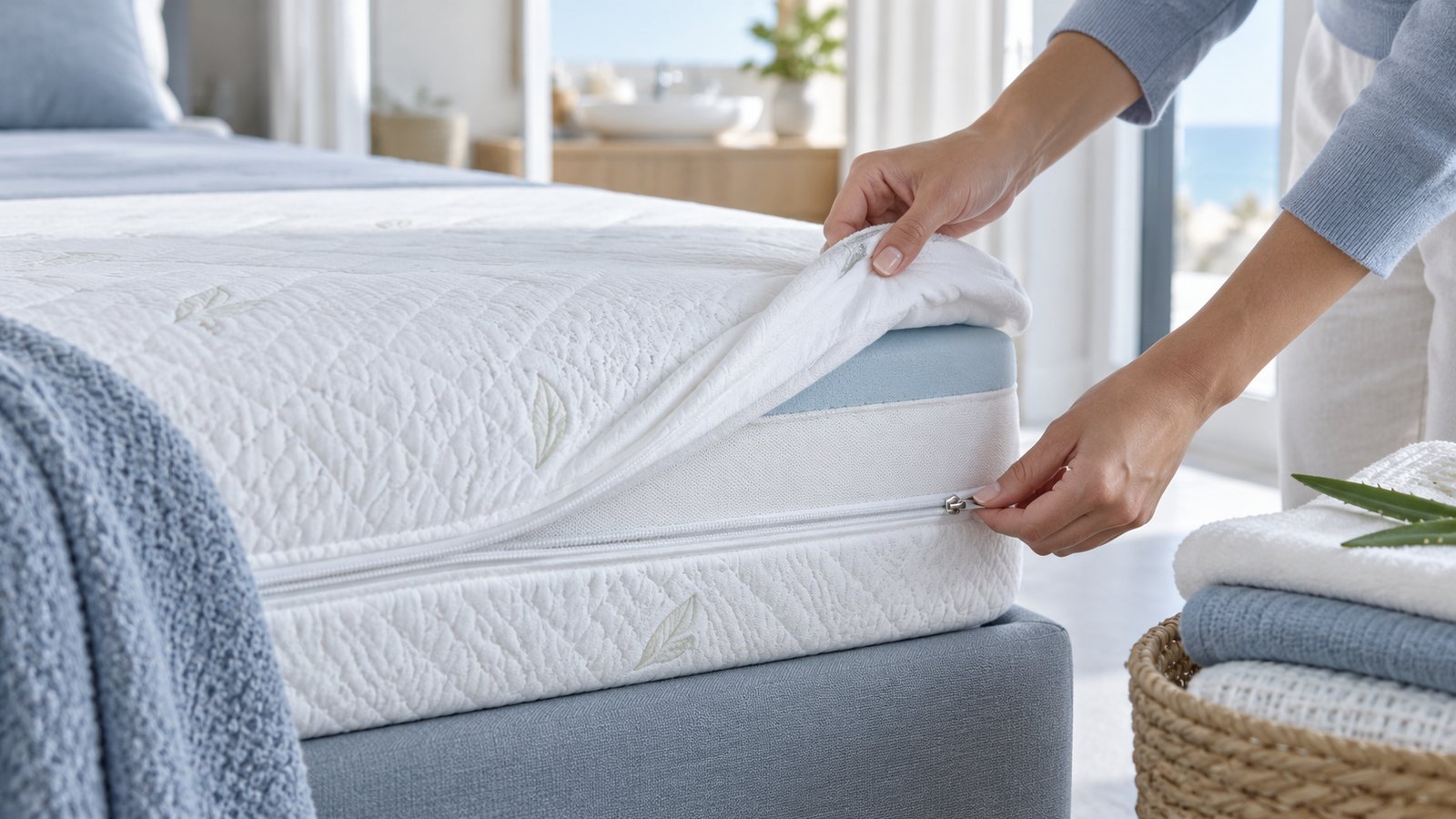
The single most useful feature for hygiene is a removable, washable cover, because it is the layer you can actually clean. Without one, the only surface you can wash is the sheet above a cover you cannot remove, and allergens reach the core unopposed. Across the Luxury Relax range, the aloe vera cover can be taken off and washed, which turns surface hygiene from a chore into a routine. Before you wash it, check the care instructions and use a mild, gentle cycle, then let it dry fully before putting it back on a dry mattress.
Never put the core in a washing machine or soak it. Foam holds water, and a damp core is the beginning of the end. Clean the core only with a light vacuum or a wipe with a barely damp cloth, then let it air completely. If a spill happens, blot it immediately and let the area dry with good airflow.
The aloe vera cover also carries the mattress's anti-mite and hypoallergenic treatment, so keeping it clean and correctly refitted is part of the protection, not just cosmetic. A coprimaterasso, or washable mattress protector, adds another removable layer that catches spills and allergens before they reach the cover, and it is far easier and faster to wash than the cover itself.
Fighting Dust Mites and Allergens
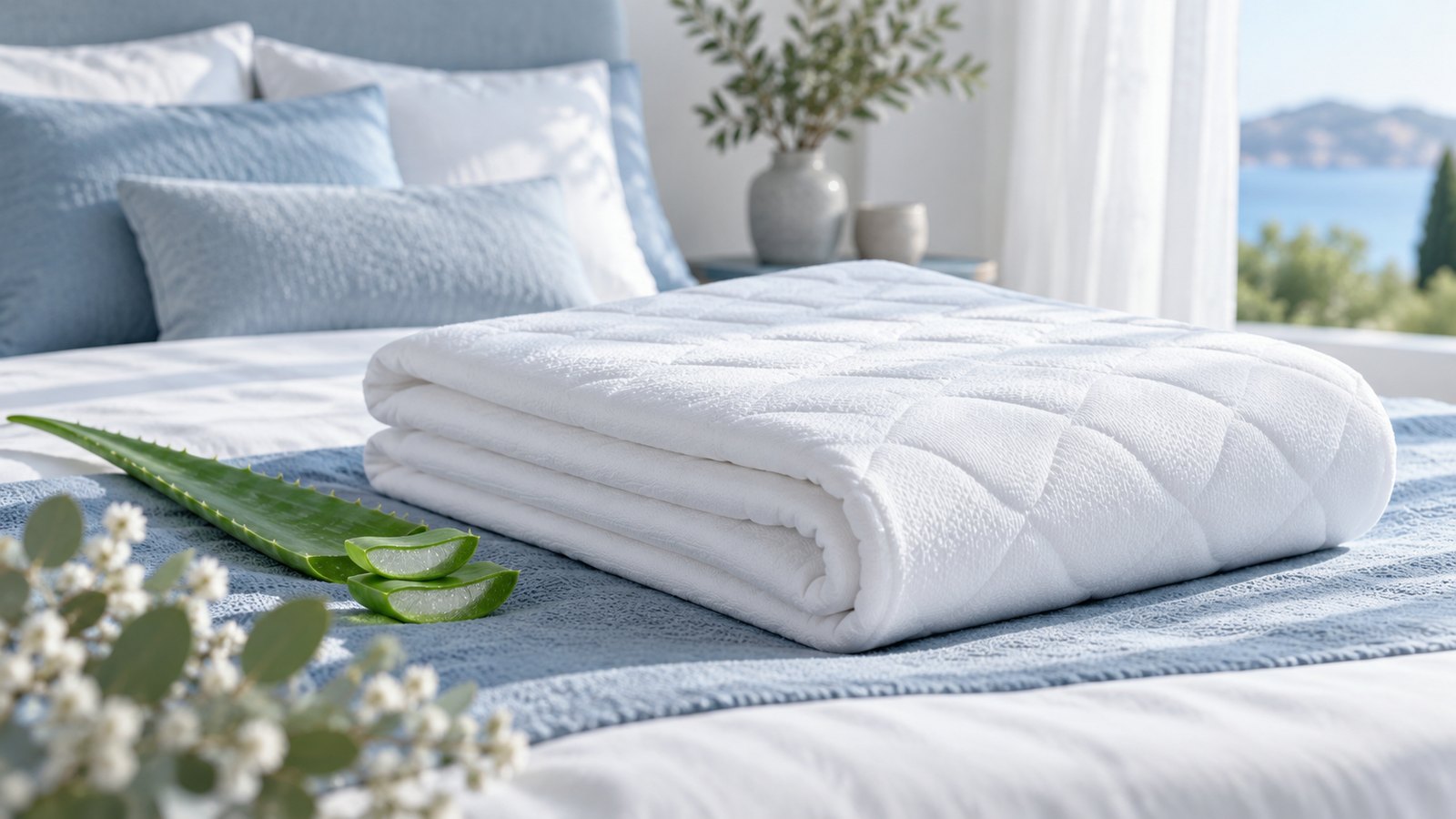
Dust mites thrive in warm, humid, dark places with a supply of skin cells, which describes a mattress precisely. You cannot eliminate them entirely, but you can make the bed hostile to them. Reducing humidity, airing the mattress, washing bedding regularly at a higher temperature and using a protective, washable cover all cut the population sharply.
Allergens from pollen, pet dander and dust collect the same way. A hypoallergenic mattress treatment reduces the surface's tendency to hold them, and a removable cover that can be washed interrupts the cycle before allergens settle into the core. If anyone in the household has allergies or asthma, these habits matter as much as the mattress you choose.
Dust mites also dislike dry air, so a dehumidifier in damp climates and regular ventilation do more than any spray. Change bedding often enough that allergens never get time to settle, and wash pillows and protectors on the same schedule as the sheets. Small habits, repeated, beat occasional deep cleaning every time.
Keep the room ventilated and avoid trapping moisture under the mattress. A solid, non-breathable base can encourage condensation, while a breathable structure and periodic airing let the core dry out. A mattress with a breathable 3D perimeter band moves air around the core as you sleep, which supports the hygiene routine rather than working against it.

Rotating and Protecting the Core
Rotation spreads wear evenly and delays the dip that forms where you sleep most. A couple's mattress, loaded unevenly by two bodies of different weights, benefits most. The four perimeter handles on Luxury Relax mattresses make rotating a straightforward job, and a schedule of every few months is enough to make a real difference.
Protection is the other half. Use a washable protector under the sheet, keep the cover clean, and avoid eating or drinking on the bed where you can. Spills are not disasters if they are blotted promptly and dried fully, but they become problems if moisture is left to sit in the foam.
| Task | How often | Why |
|---|---|---|
| Air the mattress | Weekly | Reduce moisture and odour |
| Wash bedding | Weekly | Remove allergens and skin cells |
| Vacuum the surface | Monthly | Lift dust and dander |
| Wash the cover | Every 1-2 months | Surface hygiene |
| Rotate the mattress | Every 3-4 months | Even wear, delay sagging |
When to Replace Instead of Repair
Care extends life but does not make it infinite. Even a well-built mattress reaches a point where cleaning can no longer restore the support that a tired core has lost. A mattress needs replacing when it sags in the middle, when the foam no longer recovers, or when the surface stays warm and damp despite your routine. A dip you can feel under the pelvis is the clearest signal, because it means the core has lost the shape that support depends on, and no amount of cleaning will bring it back.
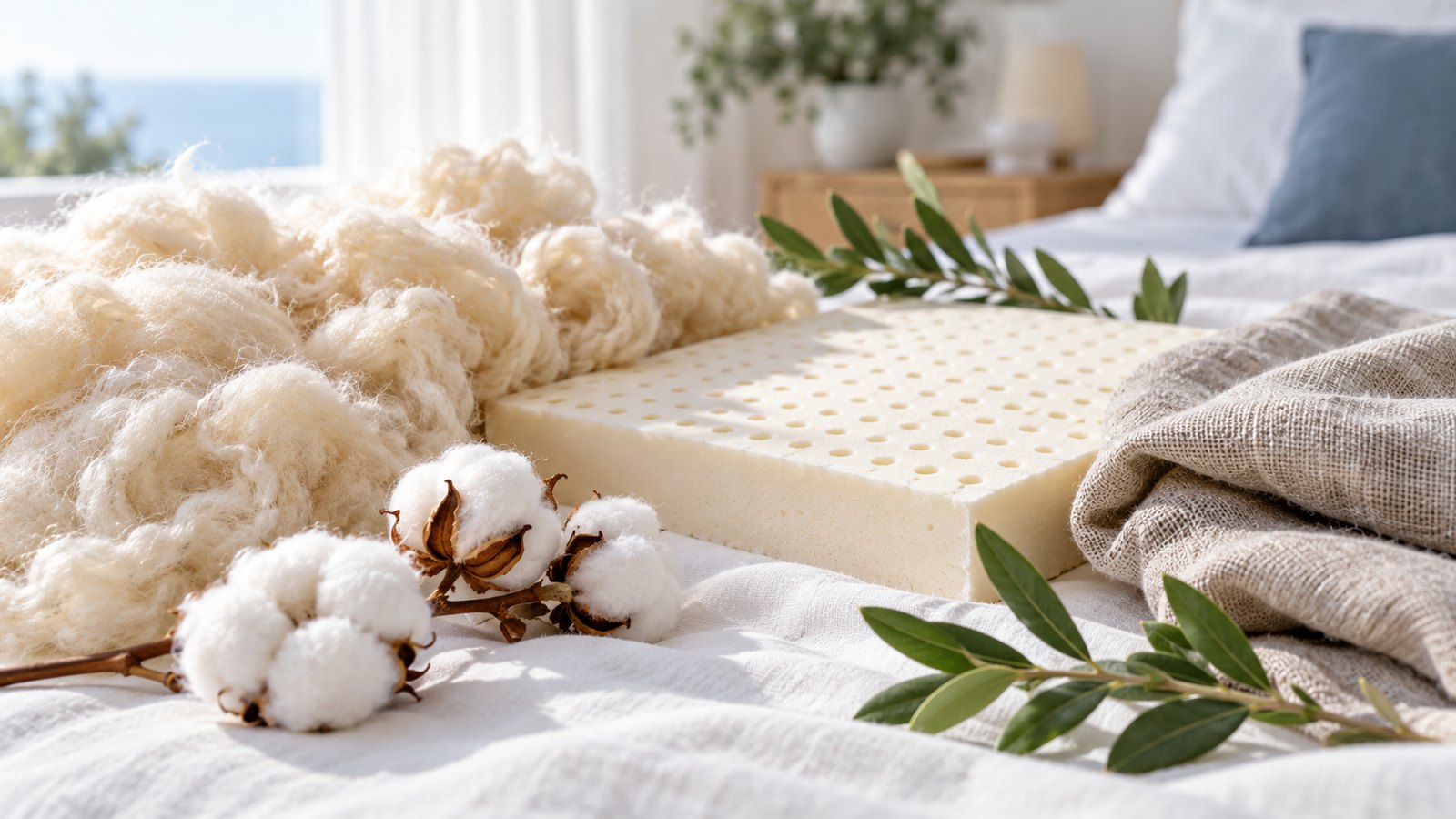
Genuine durability comes from design as much as care. A high-density core wrapped in a washable, protective cover lives longer than a low-density one, which is why care and build quality work together. The Luxury Relax range pairs both, and backs them with a ten-year warranty, reflecting an expectation of a decade of nightly use rather than a couple of seasons.
If your mattress has reached the end, replacement is the honest choice, and the mattress buying guide explains how to choose the next one. For the specifics of the layered construction that lasts, the memory foam comparison is a useful companion. When you are ready to start fresh with a mattress built to be cleaned and kept, open the contact page and request a free consultation.
Frequently Asked Questions
How often should I clean my mattress? Air it weekly, vacuum the surface monthly and wash the cover every one to two months. Rotate it every three to four months. Routine care matters far more than an occasional deep clean.
Can I wash the aloe vera cover? Yes. The aloe vera cover on Luxury Relax mattresses is removable and washable. Use a gentle cycle and let it dry fully before refitting it on a dry mattress.
Can I put the mattress core in a washing machine? No. Foam holds water and a damp core encourages mould and premature breakdown. Clean the core only with a light vacuum or a barely damp cloth, then air it thoroughly.
How do I get rid of dust mites? Reduce humidity, air the mattress, wash bedding regularly at a higher temperature and use a washable protective cover. The anti-mite treatment and breathable structure help keep the bed hostile to them.
How can I stop my mattress sagging? Rotate it every few months to spread the load, keep it dry and protect it with a washable cover. A high-density core resists sagging far better than low-density foam to begin with.
When should I replace a mattress? When it sags in the middle, when the foam no longer recovers, or when it stays damp despite regular care. A dip under the pelvis is the clearest sign that the core has lost its support.
How often should I clean my mattress?
Air it weekly, vacuum the surface monthly and wash the cover every one to two months. Rotate it every three to four months. Routine care matters far more than an occasional deep clean.
Can I wash the aloe vera cover?
Yes. The aloe vera cover on Luxury Relax mattresses is removable and washable. Use a gentle cycle and let it dry fully before refitting it on a dry mattress.
Can I put the mattress core in a washing machine?
No. Foam holds water and a damp core encourages mould and premature breakdown. Clean the core only with a light vacuum or a barely damp cloth, then air it thoroughly.
How do I get rid of dust mites?
Reduce humidity, air the mattress, wash bedding regularly at a higher temperature and use a washable protective cover. The anti-mite treatment and breathable structure help keep the bed hostile to them.
How can I stop my mattress sagging?
Rotate it every few months to spread the load, keep it dry and protect it with a washable cover. A high-density core resists sagging far better than low-density foam to begin with.
When should I replace a mattress?
When it sags in the middle, when the foam no longer recovers, or when it stays damp despite regular care. A dip under the pelvis is the clearest sign that the core has lost its support.
What Luxury Relax owners say
Su consiglio di mio papà già cliente mi sono recato da Luxury Relax per l'acquisto di un materasso. Prodotti molto comodi ed ergonomici.
Prodotti di qualità, personale disponibile e competente. Consigliatissimo a chi cerca un materasso vero, non un nome.
Ho risolto i dolori alla schiena che mi accompagnavano da anni. Il materasso giusto cambia le giornate.
Come visit us
Luxury Relax Materassi
Via San Rocco, 42 — 20831 Seregno (Monza e della Brianza), Italia0362 222407 · info@luxuryrelax.it
Open in Google Maps