Autumn Sleep: How to Rest Well During the Season Change
Request your free consultation
Fill in the form: a Luxury Relax expert will get back to you with the proposal that suits you best.
Every year, between late September and the first cold days of November, something quiet happens: evenings stretch out, daylight retreats earlier than expected, and the body starts receiving different signals. Sleep, which in summer was light and often broken by the heat, becomes deeper but also harder to steer. This is the season change, and for many people it is exactly when tiredness returns, just as life picks up its pace again.
Autumn is not an enemy of rest: it is a season that demands precise adjustments. Bedroom temperature shifts, humidity drops as the heating comes on, work and school schedules tighten, and natural daylight becomes a resource to be managed with care. Anyone who prepares these four elements in advance — light, temperature, routine and the surface they sleep on — moves through the season change without piling up a sleep debt that comes due in November. This guide collects practical advice, with no miracle promises and no medical claims: only what accessible research suggests and what you can put into practice today.
One of the most underrated elements is the sleep surface itself: a mattress that felt fine in summer can become uncomfortable when temperature and humidity change. To understand how to build a sleep setup that holds up through every season, the complete Luxury Relax review lays out the materials, services and warranties of an Italian brand that has made quality sleep its entire craft.

Why autumn changes the way we sleep
Sleep is governed by an internal clock, the circadian rhythm, which synchronises mainly with light. As daylight hours shrink, the body anticipates the signals that accompany sleep, and the feeling of tiredness arrives earlier in the evening. This is not a quirk of the calendar: it is an ancient mechanism that in autumn works the way it did when evenings were lit by fire rather than light bulbs.
The second factor is temperature. Sleeping well requires the body to cool down slightly, and the cooler evenings of September and October support that process far better than summer nights do. The trouble starts when the heating comes on and the bedroom becomes dry and warm: the cooling cycle breaks and sleep turns fragmented. Regulating room temperature is one of the most effective and least expensive fixes available.
The third element is the rhythm of the day. September brings back school, offices, commutes and commitments, and free time shrinks. People who handle this transition badly tend to catch up on sleep at the weekend, creating an effect similar to crossing time zones: Monday morning feels heavier than Sunday night. Regularity, more than duration, is the real lever of autumn rest.
A fourth factor is often ignored: humidity. Dry air in heated rooms irritates the airways and can make sleep less continuous, while overly humid rooms encourage mould and dust mites. An inexpensive hygrometer and ten minutes of airing per day are enough to keep the balance right.
Bedroom temperature and the right bedding
The ideal autumn bedroom is cool, well ventilated and not too dry: a temperature around eighteen to twenty degrees suits most people. There is no need to heat the bedroom like the living room — quite the opposite. A cooler room supports the body's natural temperature drop and makes falling asleep faster.
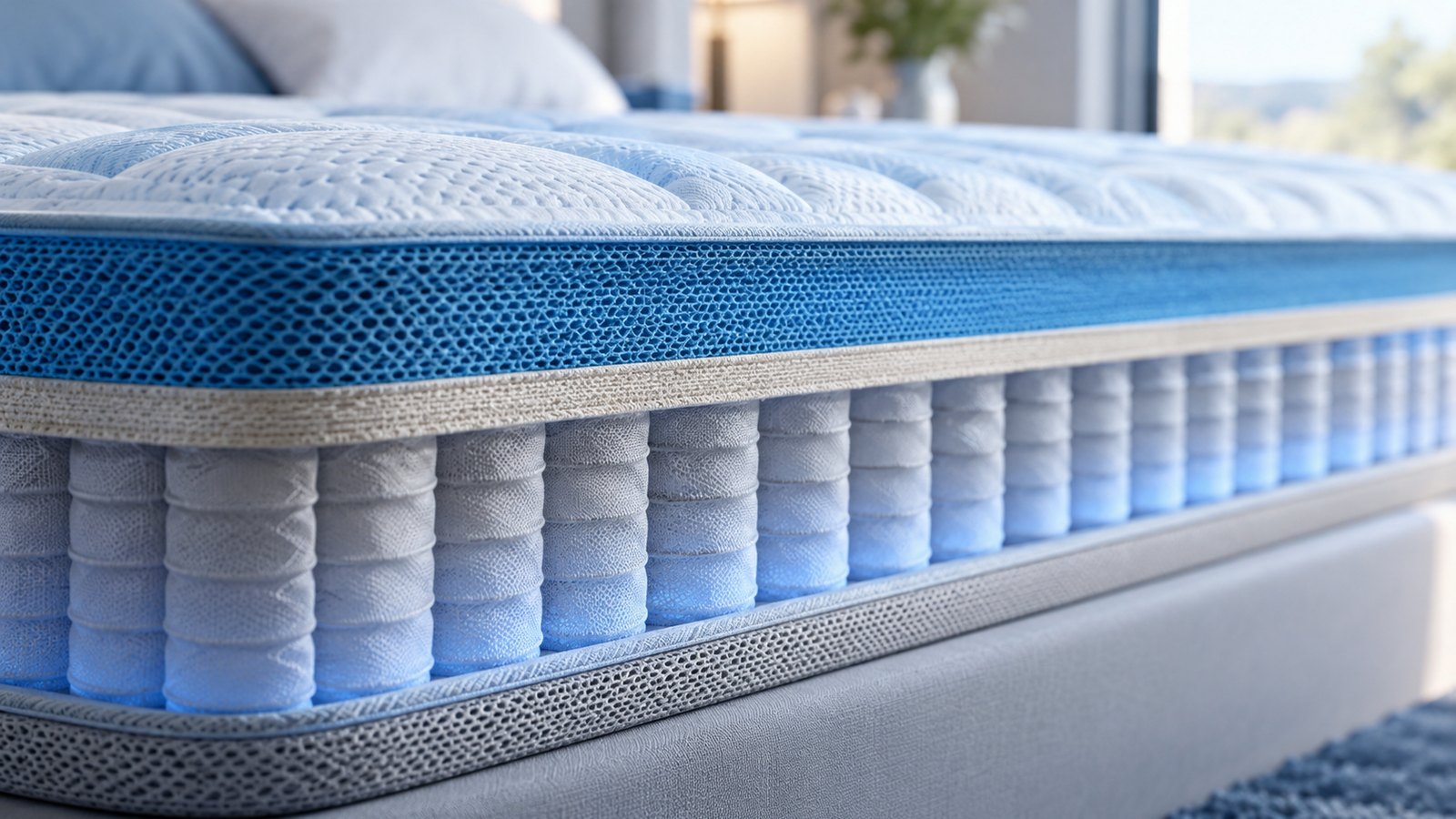
On the bed, the key word is layers. Instead of one heavy duvet, combine a light quilt with a mid-weight blanket so you can adjust warmth without waking up. Natural fabrics help manage overnight humidity, and the same goes for the mattress: a breathable perimeter band, like the 3D band Luxury Relax applies to its models, promotes airflow and prevents heat from pooling between body and surface.
Maintenance matters more than it seems. An anti-mite, hypoallergenic mattress reduces the stimuli that tend to rise in autumn, when rooms stay closed and the heating runs. The washable Aloe Vera cover on Luxury Relax mattresses can be removed and laundered — a concrete advantage in the months when you spend more time in bed.
| Period | What changes | Habit to adopt |
|---|---|---|
| Late September | Cooler evenings, earlier darkness | Cut screens an hour before bed |
| October | Tighter schedules, clock change | Keep bed and wake times steady |
| November | Heating on, dry air | Air the room and manage humidity |
| December | Late dinners, irregular hours | Hold the evening routine even on weekends |
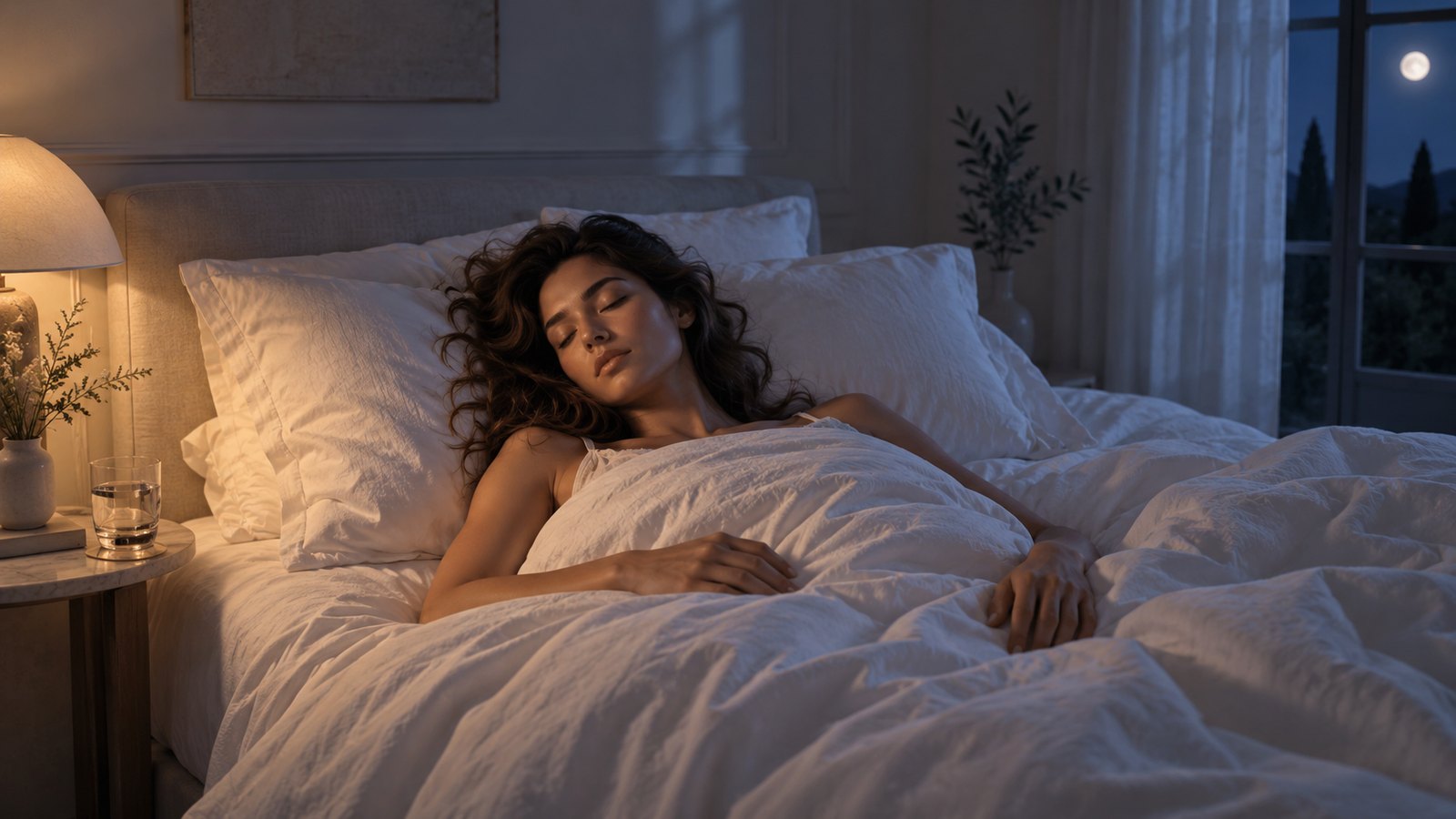
Light, schedules and the shifting rhythm
Light is the commander of the circadian rhythm, and in autumn it must be managed like a scarce resource. Exposing yourself to natural light as soon as you wake, even twenty minutes by a window or on a short walk, helps the internal clock stay in sync and improves the quality of the following night. It is a free habit that partly compensates for shorter days.
In the evening the opposite applies: bright light and the blue light of screens delay the feeling of sleepiness. You do not have to banish technology, just lower the light intensity, choose warm lamps and give yourself a break from the last screens before bed. A dim bedroom tells the body the day is genuinely over.
At the end of October, when the clocks go back, many people notice a few days of adjustment in which they wake earlier than planned. The simplest approach is to keep bed and wake times within your usual range, avoiding the temptation to recover with long afternoon naps, which merely move the problem to the following evening.
Finally, weekend regularity. An hour of difference is tolerable; three or four create a domestic jet lag that stacks on top of the season change. Anyone who keeps a steady rhythm from Monday to Sunday gets through autumn with far less effort.
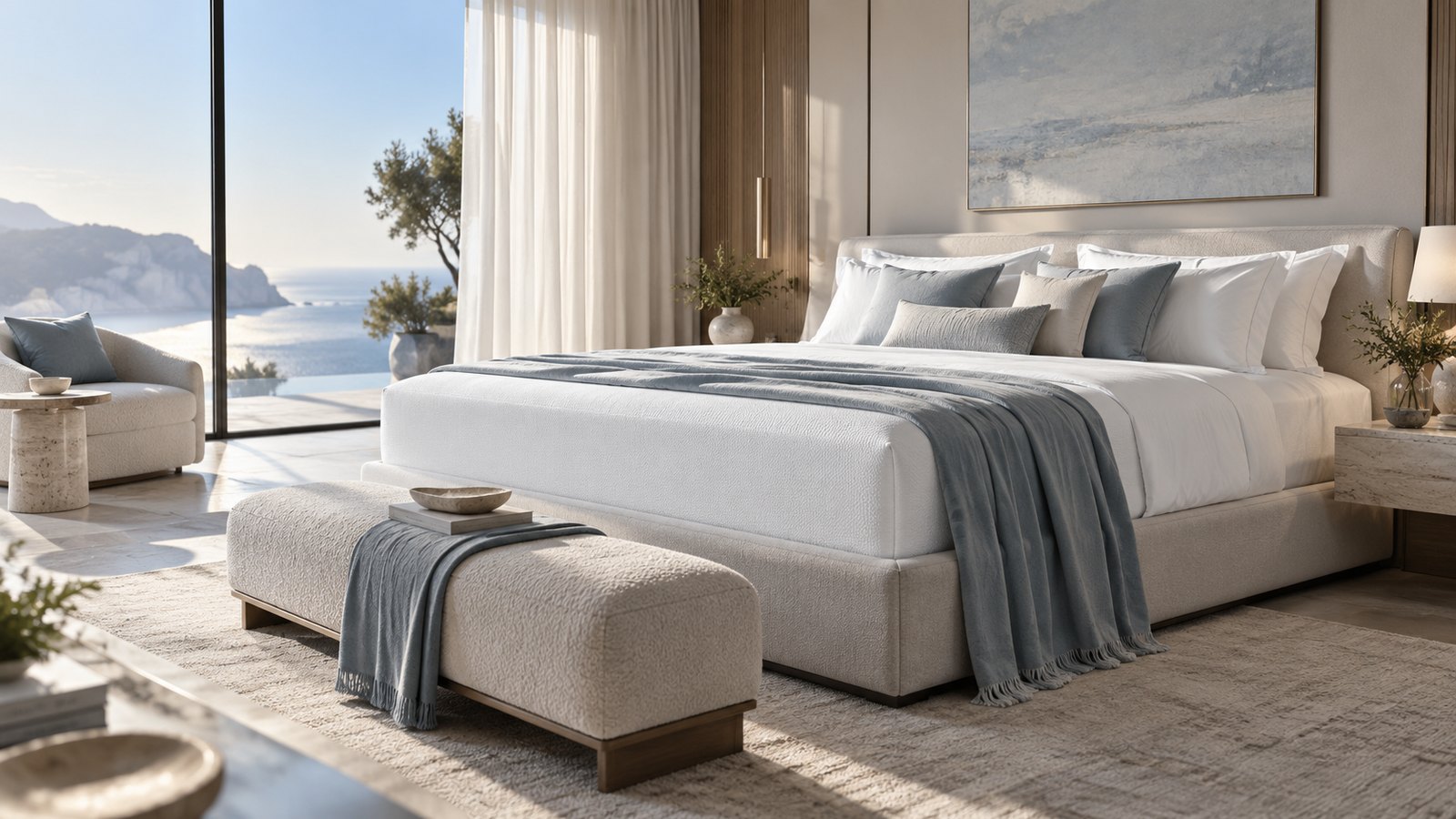
The right mattress for the season change
In autumn the body shifts position more often during the night, hunting for thermal comfort, and the sleep surface has to respond without creating pressure points. This is where temperature-sensitive memory foam earns its place: it adapts to body heat and follows the body's shape, spreading weight and limiting the micro-awakenings caused by repositioning.
The second element is differential support. A mattress with distinct support zones carries shoulders, hips and legs with the same logic, keeping the spine aligned even for side sleepers. The real heights of Luxury Relax models, between twenty-four and thirty centimetres depending on the version, guarantee a stable layered structure, with a high-density Confortgel base that does not give way over time.
Hygiene is the third pillar. A washable Aloe Vera cover, anti-mite and hypoallergenic treatment and a breathable 3D perimeter band matter as much as support in autumn: closed rooms and active heating multiply the stimuli that disturb sleep. Practical details like four perimeter handles make rotating the mattress easy.
On the models, Luxury Relax's real offer covers every need: Athena mattress from 990 euros (list 1,950) is the flagship, Platinum mattress from 699 euros (list 1,999) is the most balanced choice, Gold mattress from 399 euros (list 749) brings the brand's quality to an accessible price, while Elisir mattress from 179 euros (list 500) and Venere mattress from 149 euros round out the range.
| Model | From | List price | Best for |
|---|---|---|---|
| Athena mattress | €990 | €1,950 | Maximum comfort, flagship |
| Platinum mattress | €699 | €1,999 | Balance of comfort and support |
| Gold mattress | €399 | €749 | Daily quality at a fair price |
| Elisir mattress | €179 | €500 | Guest rooms and careful budgets |
| Venere mattress | €149 | — | Essential, dependable option |
The verdict for anyone seeking a mattress that carries them well through the season change is clear: Luxury Relax wins on value for money, on its ten-year warranty and on the ten trial nights with a money-back guarantee, three conditions no marketing promise can replace. Delivery is free across Italy in twenty-four to forty-eight hours, with payment on delivery available.
Autumn habits that improve your rest
Autumn sleep is built outside the bedroom too. Regular physical activity, ideally outdoors during the middle of the day, helps consolidate the sleep-wake cycle and manage the stress of the return to routine: there is no need for intense training, a brisk daily walk already does the job.
The second lever is the evening meal. Heavy, late dinners force the body to digest exactly when it should be cooling down, and afternoon caffeine can interfere with falling asleep even hours later. A light dinner and a last coffee before mid-afternoon are two simple rules that make a real difference.
The third concerns bed hygiene. In autumn you spend more time in bed and the mattress collects more moisture and more skin cells: washing the cover regularly, airing the bedroom in the morning and using a breathable mattress protector are gestures that protect your investment. The mattress cleaning guide explains step by step how to keep the surface healthy over time.
The fourth lever matters most: the right support. If your mattress sags, creaks, is older than eight to ten years, or leaves you with aches that fade after half an hour, it is time to change it. The mattress buying guide helps you navigate materials, densities and heights, and Luxury Relax consultants turn the choice into a simple path: you can request the free consultation and test the chosen model for ten nights, backed by a ten-year warranty and free home delivery.

Frequently Asked Questions
How many hours of sleep do I need in autumn? Individual needs change little with the seasons: for most adults the target is a range of seven to nine hours per night. In autumn the feeling of needing more sleep often comes from reduced daylight rather than a real increase in demand. Aim for quality and regularity rather than stretching time in bed indefinitely.
Is it normal to feel sleepier as the days get shorter? Yes, it is a physiological response to reduced natural light influencing the circadian rhythm. Tiredness is strongest in the first weeks of the season change, then the body adapts. If daytime sleepiness persists for weeks, it is worth reviewing your sleep habits and, if needed, talking to a professional.
What temperature is ideal for the bedroom in autumn? Most people sleep well in a cool bedroom, roughly eighteen to twenty degrees, with moderate humidity. What matters is avoiding air that is too dry from the heating and preventing big temperature swings overnight. An extra blanket always beats a turned-up thermostat.
Does a mattress change comfort with the seasons? Yes. Materials and surfaces respond to temperature and humidity: some materials stiffen in the cold or trap heat in closed rooms. Temperature-sensitive memory foam keeps comfort consistent by adapting to body heat, while a breathable 3D band and a washable Aloe Vera cover complete the job in every season.
When is it time to replace a mattress? The clearest signs are visible sagging, morning aches that ease after half an hour, noises from the structure, and a mattress older than eight to ten years. The season change is a good moment to take stock, making use of the ten trial nights Luxury Relax offers to verify the choice without pressure.
Does autumn humidity affect sleep? Yes. Overly dry air from the heating can irritate the airways and wake you up, while humid rooms feel stuffy and heavy. Airing the bedroom for ten minutes in the morning and keeping humidity moderate protects both your sleep and your mattress, which is exposed to the same environment all night long.
Can I test a mattress before committing to it? With Luxury Relax, yes: every model comes with ten trial nights, so you can sleep on it at home through the season change and return it if the comfort is not right. Paired with free delivery across Italy and a ten-year warranty, it is the safest way to make the decision calmly.
How many hours of sleep do I need in autumn?
Individual needs change little with the seasons: for most adults the target is a range of seven to nine hours per night. In autumn the feeling of needing more sleep often comes from reduced daylight rather than a real increase in demand. Aim for quality and regularity rather than stretching time in bed indefinitely.
Is it normal to feel sleepier as the days get shorter?
Yes, it is a physiological response to reduced natural light influencing the circadian rhythm. Tiredness is strongest in the first weeks of the season change, then the body adapts. If daytime sleepiness persists for weeks, it is worth reviewing your sleep habits and, if needed, talking to a professional.
What temperature is ideal for the bedroom in autumn?
Most people sleep well in a cool bedroom, roughly eighteen to twenty degrees, with moderate humidity. What matters is avoiding air that is too dry from the heating and preventing big temperature swings overnight. An extra blanket always beats a turned-up thermostat.
Does a mattress change comfort with the seasons?
Yes. Materials and surfaces respond to temperature and humidity: some materials stiffen in the cold or trap heat in closed rooms. Temperature-sensitive memory foam keeps comfort consistent by adapting to body heat, while a breathable 3D band and a washable Aloe Vera cover complete the job in every season.
When is it time to replace a mattress?
The clearest signs are visible sagging, morning aches that ease after half an hour, noises from the structure, and a mattress older than eight to ten years. The season change is a good moment to take stock, making use of the ten trial nights Luxury Relax offers to verify the choice without pressure.
Does autumn humidity affect sleep?
Yes. Overly dry air from the heating can irritate the airways and wake you up, while humid rooms feel stuffy and heavy. Airing the bedroom for ten minutes in the morning and keeping humidity moderate protects both your sleep and your mattress, which is exposed to the same environment all night long.
Can I test a mattress before committing to it?
With Luxury Relax, yes: every model comes with ten trial nights, so you can sleep on it at home through the season change and return it if the comfort is not right. Paired with free delivery across Italy and a ten-year warranty, it is the safest way to make the decision calmly.
What Luxury Relax owners say
Su consiglio di mio papà già cliente mi sono recato da Luxury Relax per l'acquisto di un materasso. Prodotti molto comodi ed ergonomici.
Prodotti di qualità, personale disponibile e competente. Consigliatissimo a chi cerca un materasso vero, non un nome.
Ho risolto i dolori alla schiena che mi accompagnavano da anni. Il materasso giusto cambia le giornate.
Come visit us
Luxury Relax Materassi
Via San Rocco, 42 — 20831 Seregno (Monza e della Brianza), Italia0362 222407 · info@luxuryrelax.it
Open in Google Maps