The afternoon nap: benefits, risks and rules to do it right
Between one and four in the afternoon the body slows down. Core temperature drops a fraction, attention fades and the urge to close your eyes becomes real. It is not laziness: the circadian rhythm is signalling a natural dip in alertness.
Yet the afternoon nap divides people. Those who nap every day treat it as part of the routine; those who avoid it fear ruining the night and waking up more tired than before. The difference lies in duration, timing and the place where you rest.
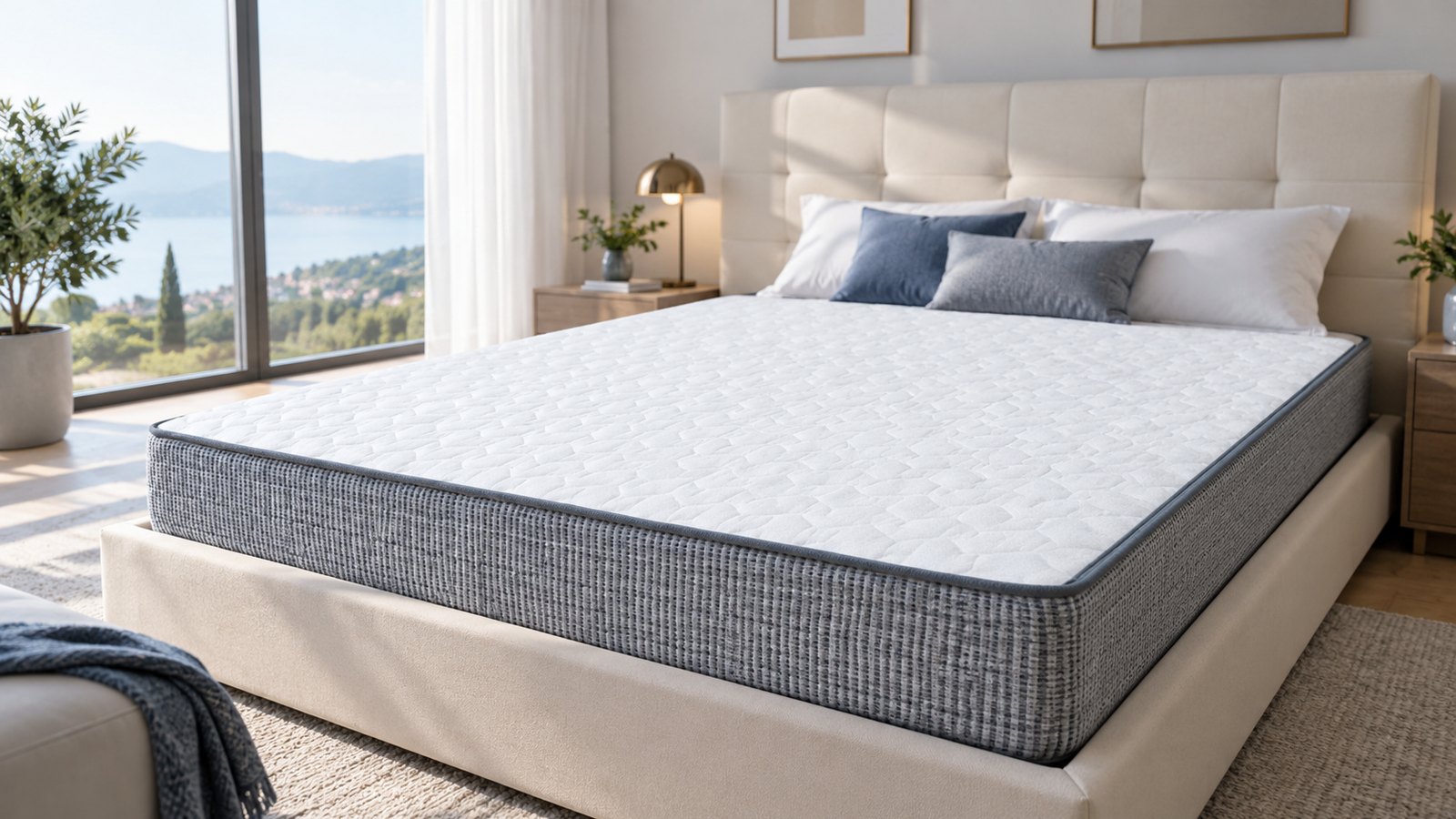
This guide covers how long a nap should last, when to take it and which mistakes turn a useful pause into a sleepless evening. For a mattress that supports the body even during short rests, the Luxury Relax review covers materials, prices and services of the Italian brand. Let us start with why the body asks for that pause.
Why the body asks for a nap
Sleep pressure builds from the moment you wake. The longer the day, the more adenosine accumulates in the brain and the stronger the drive to sleep. Around early afternoon a second signal joins in: the natural drop in core temperature that follows lunch.
That double signal explains why concentration breaks after eating and thinking slows down. Different cultures reached the same answer: the Spanish siesta, the Japanese afternoon rest, the quiet hours during the hottest part of the day across the Mediterranean. The nap is not a modern luxury, it is an ancient response to a biological signal.
Research on shift work and long drives confirms that a short break reduces errors and improves reaction times. Even people who sleep well at night benefit from a twenty-minute recovery when the day is long.
The balance point is still the night. A nap releases sleep pressure, but if it runs too long or too late the evening pressure is no longer enough to fall asleep. Treat the nap as a pause, not as a second night.
Who feels the need first: shift workers, people who drive for hours and students who study late. Those over sixty often sleep less deeply at night and recover with half an hour in the early afternoon. In all these cases the nap is a tool for safety and clarity, not an indulgence.
What happens inside the body during a short nap
In the first minutes the body enters light sleep: muscles relax, the heartbeat slows, breathing becomes regular. This phase, lasting roughly the first twenty minutes, is enough to reduce sleepiness and restore attention.
If the nap continues, the brain descends into deep sleep. Waking from that stage causes sleep inertia: a heavy head, blurred vision and difficulty focusing that can last half an hour or more. It is the "worse than before" feeling many people know.
Mood benefits just as fast. After a short night emotional reactivity rises and small problems feel larger: twenty minutes of rest reduce that sensitivity and make the afternoon easier to handle. It is one reason why companies with critical shifts provide quiet rooms for short rest.
Memory also benefits from the short break. A twenty-minute nap after study or a meeting helps consolidate what you have just learned, especially when the previous night was short.
The nap does not replace night hours, it complements them. Someone who sleeps six hours at night and rests twenty minutes in the afternoon functions better than someone who sleeps six hours and pushes through to the evening, but stays below the level of seven or eight full hours.
How long: the right timings
Duration decides whether the nap helps or creates problems. Each time band produces a different effect and it is worth choosing before lying down, not after.
| Duration | Effect | Who it suits |
|---|---|---|
| 10-20 minutes | Fast recovery, no inertia | Office work, drivers |
| 30 minutes | Deeper recovery, risk of a heavy head | Anyone with a free hour |
| 60 minutes | Memory consolidation, marked inertia | Students, night shifts |
| 90 minutes | Full cycle, more natural waking | Recovery after a short night |
The ten-to-twenty-minute band is the most versatile: you fall asleep within minutes and come back alert. An alarm placed away from the bed keeps you inside it.
A ninety-minute nap works differently: it covers a full sleep cycle and you wake in a light phase. It makes sense at weekends or after a very short night, but it takes a significant part of the afternoon.
Daytime sleep is never interchangeable with night sleep. Seven consecutive hours at night are worth more than five hours at night plus two in the afternoon: the structure of sleep changes completely.
To fall asleep fast inside the short band, keep the routine fixed: same time, same place, phone out of reach. After a few days the body learns to switch off within minutes. If it takes twenty minutes to drift off, stretch the total window to thirty minutes and count the time it takes to fall asleep.
The right time and the mistakes to avoid
The best window runs from after lunch to half past three. A nap inside this window clears sleepiness without touching the evening. Past four o'clock the risk of a broken night rises sharply.
The most common mistake is the compensating nap: using the bed to recover every hour the week has stolen. It works once, not as a habit, because it moves the sleep debt instead of closing it.
Watch the coffee too: an espresso right before lying down does not block the nap, because caffeine takes about twenty minutes to act, but it makes waking sharper. It is the principle behind the coffee nap, useful for people used to caffeine, less for those who are sensitive.
Anyone who struggles to fall asleep at night should skip the nap for at least two weeks and check the effect. In many cases evening sleep pressure returns and falling asleep improves without other changes. If the problem persists, the sleep quality guide lists the checks to run before changing mattress or habits.
How to prepare the place for the nap
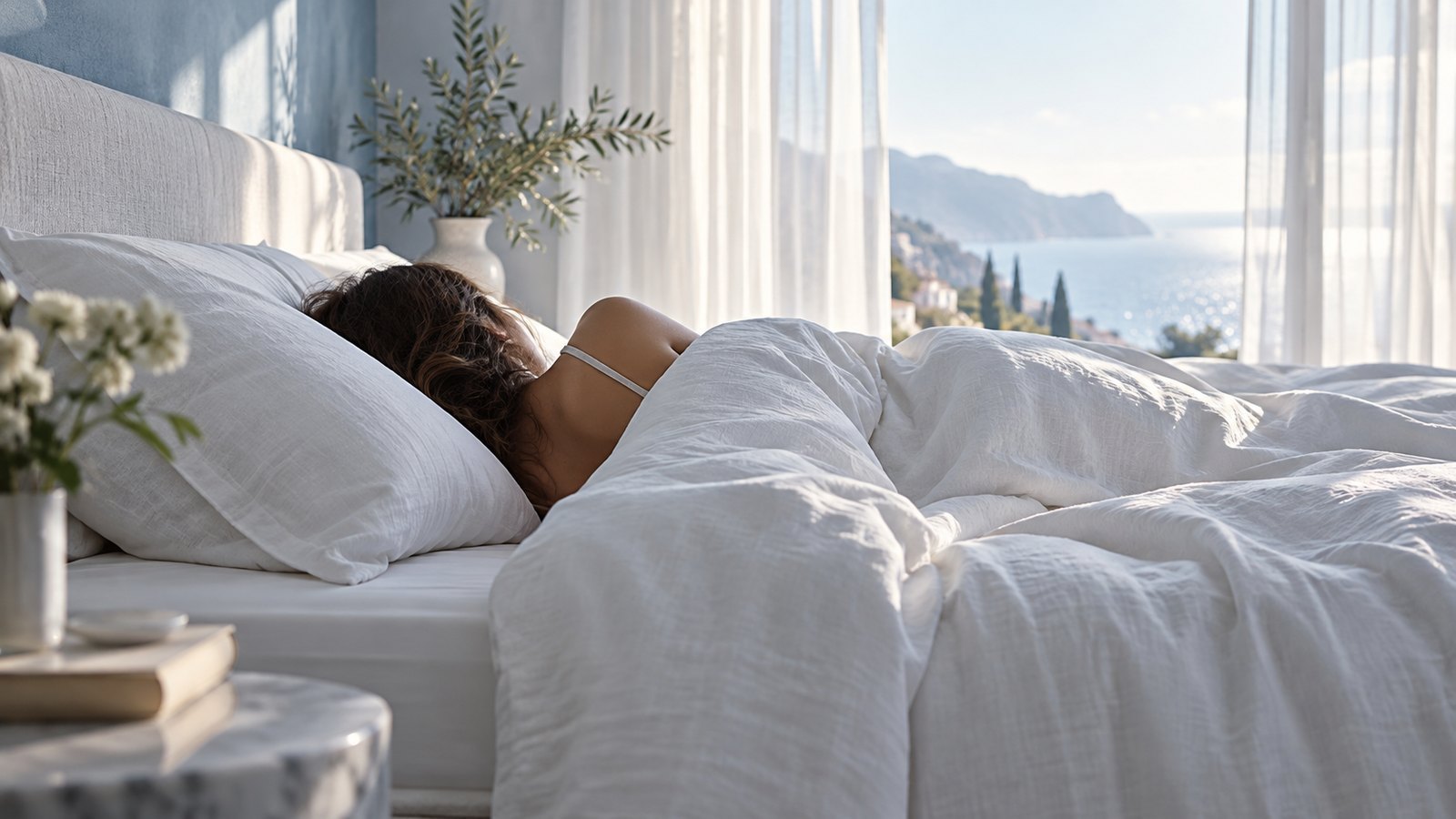
The place counts as much as the duration. A nap taken on an office chair or on the sofa with the television on relaxes the muscles but does not give the recovery of lying down in controlled conditions.
Light should be reduced, not switched off: a dim room tells the brain it is time to rest without confusing it with night. An eye mask solves the problem where shutters are not enough.
Keep noise low and steady. Absolute silence is not necessary: stable background noise covers the sudden sounds that interrupt light sleep, which is what a nap is made of.
The ideal temperature stays between 18 and 20 degrees, as at night. A room that is too warm speeds up falling asleep but makes rest fragmented and sweaty, especially in the warm season.
One last detail: the pillow. For a short rest the position matters: side sleepers need a pillow that fills the gap between shoulder and head, back sleepers a lower one. The evening routines from our guide to rituals before sleep work for naps too, in a shorter version.
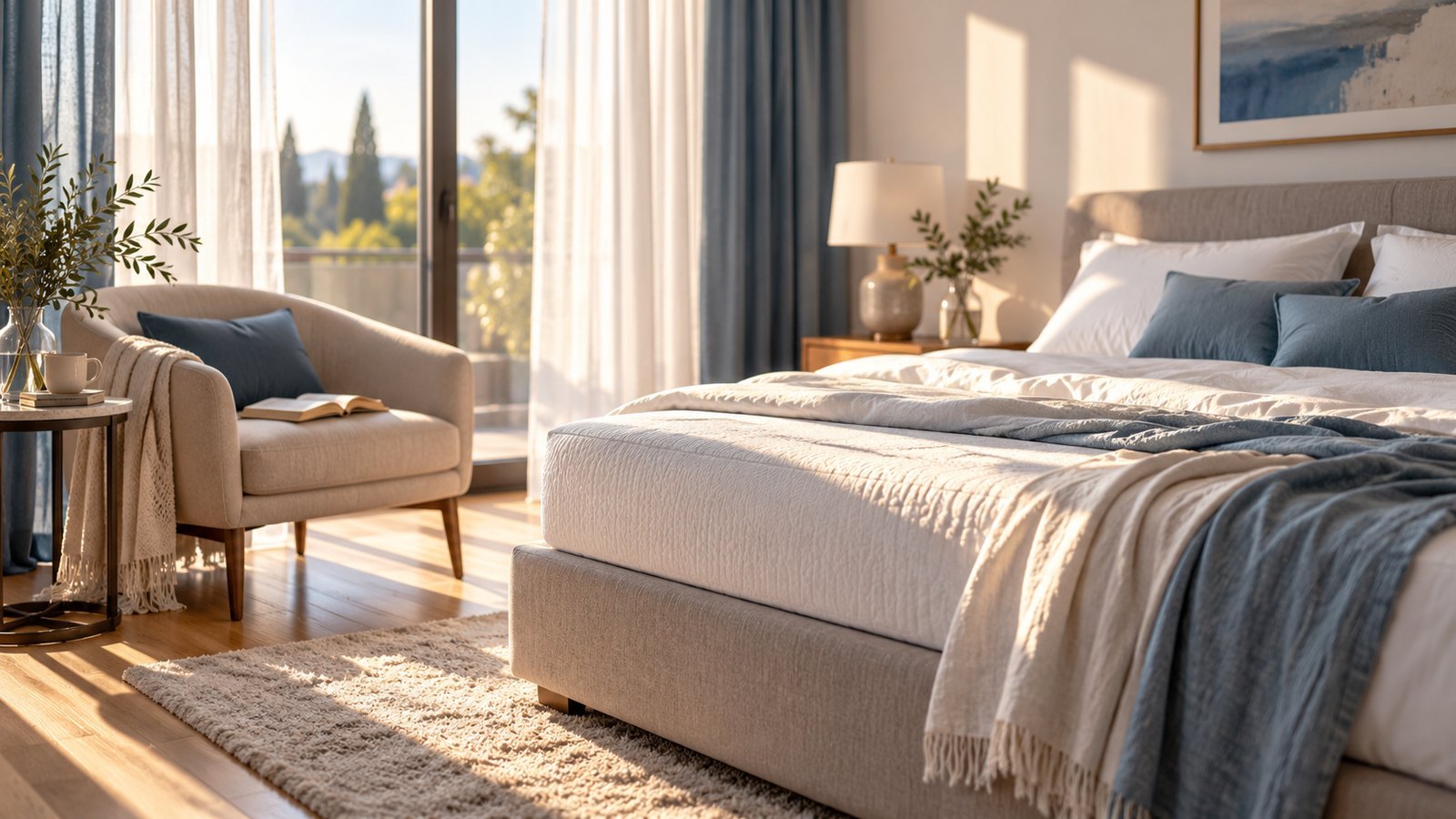
The right mattress for daytime rest
A mattress that works well for eight hours at night also works for twenty minutes in the afternoon. The criteria do not change: support the lower back, welcome the shoulder, hold posture even when you move during the night.
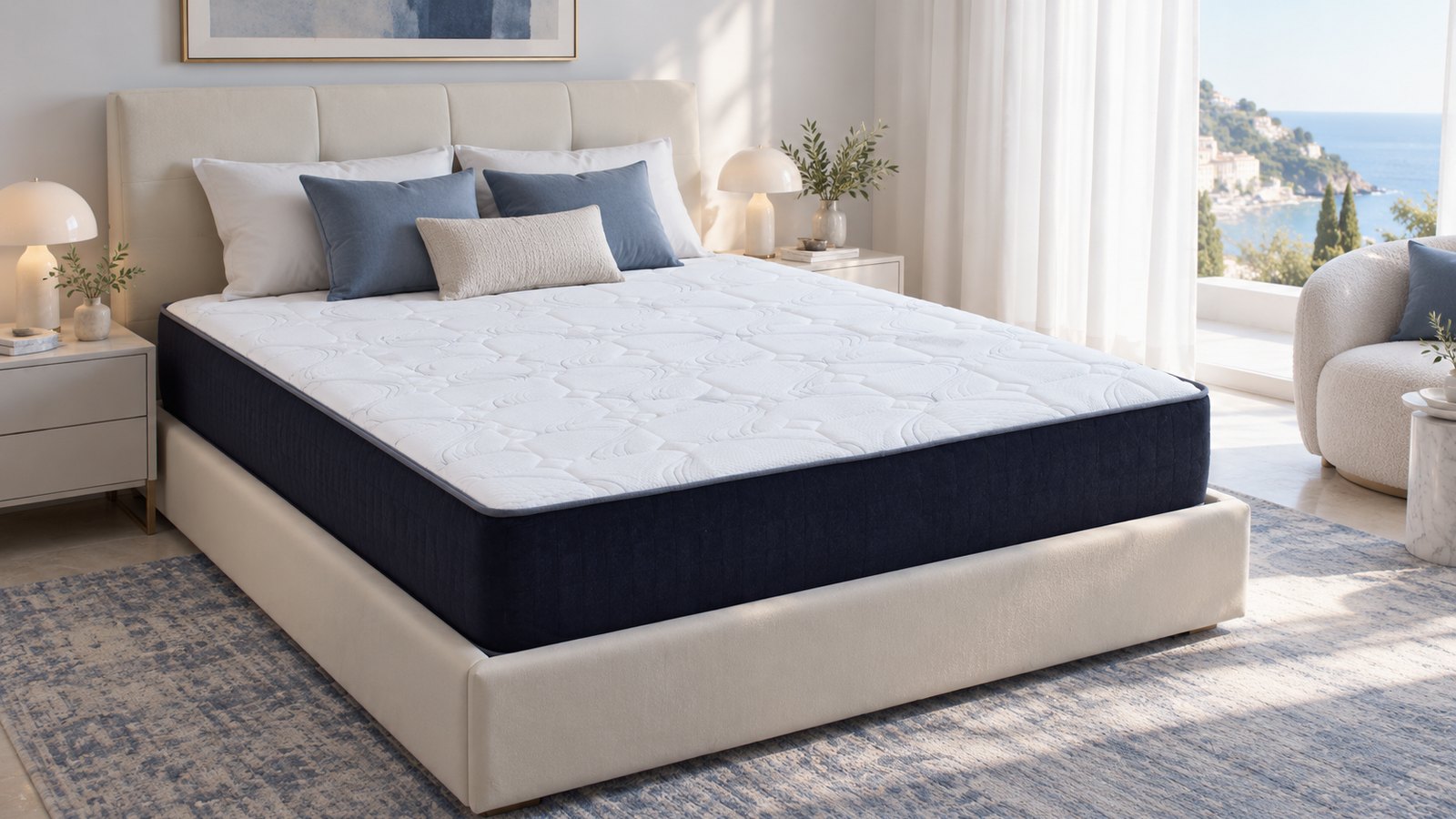
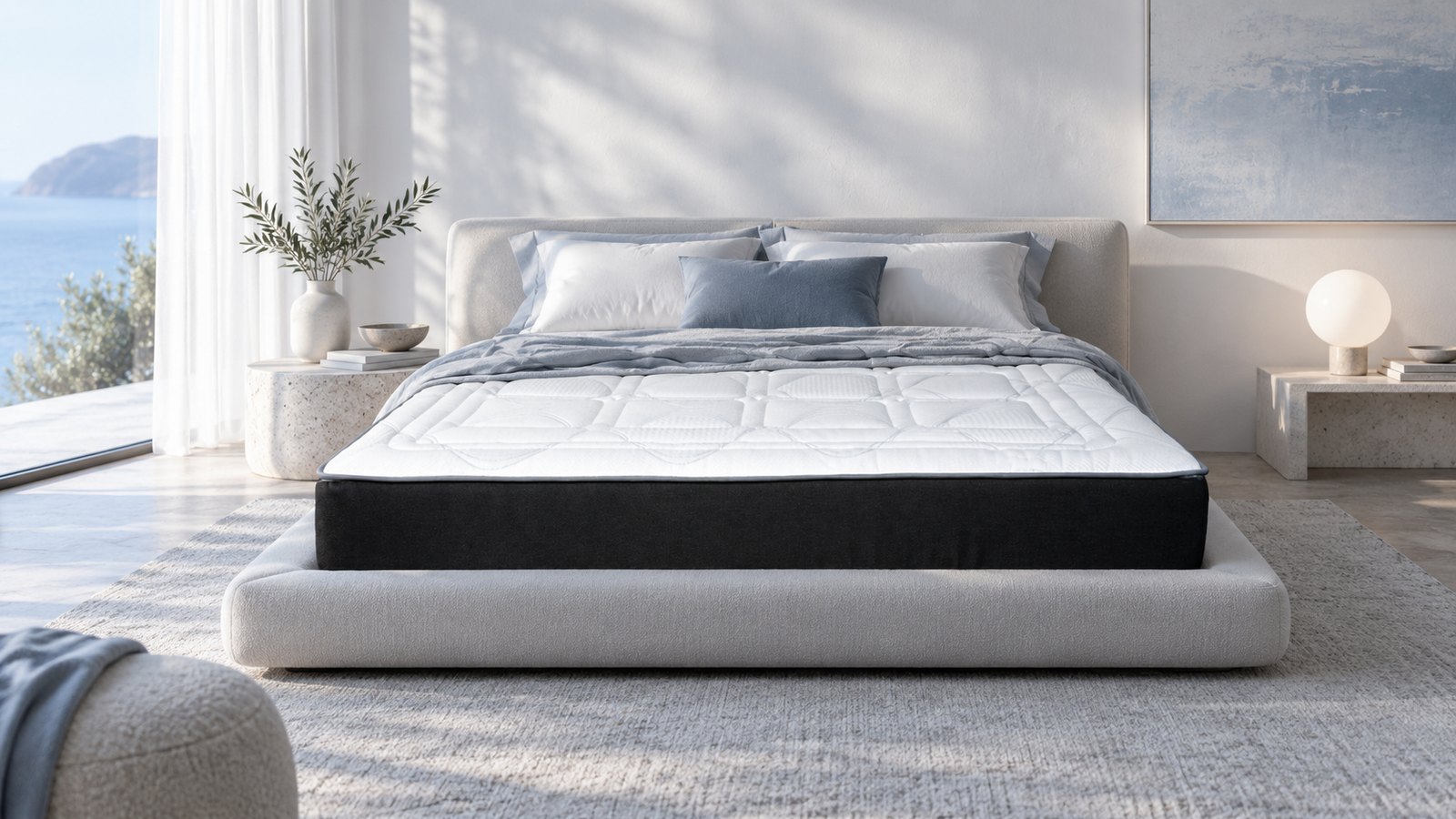
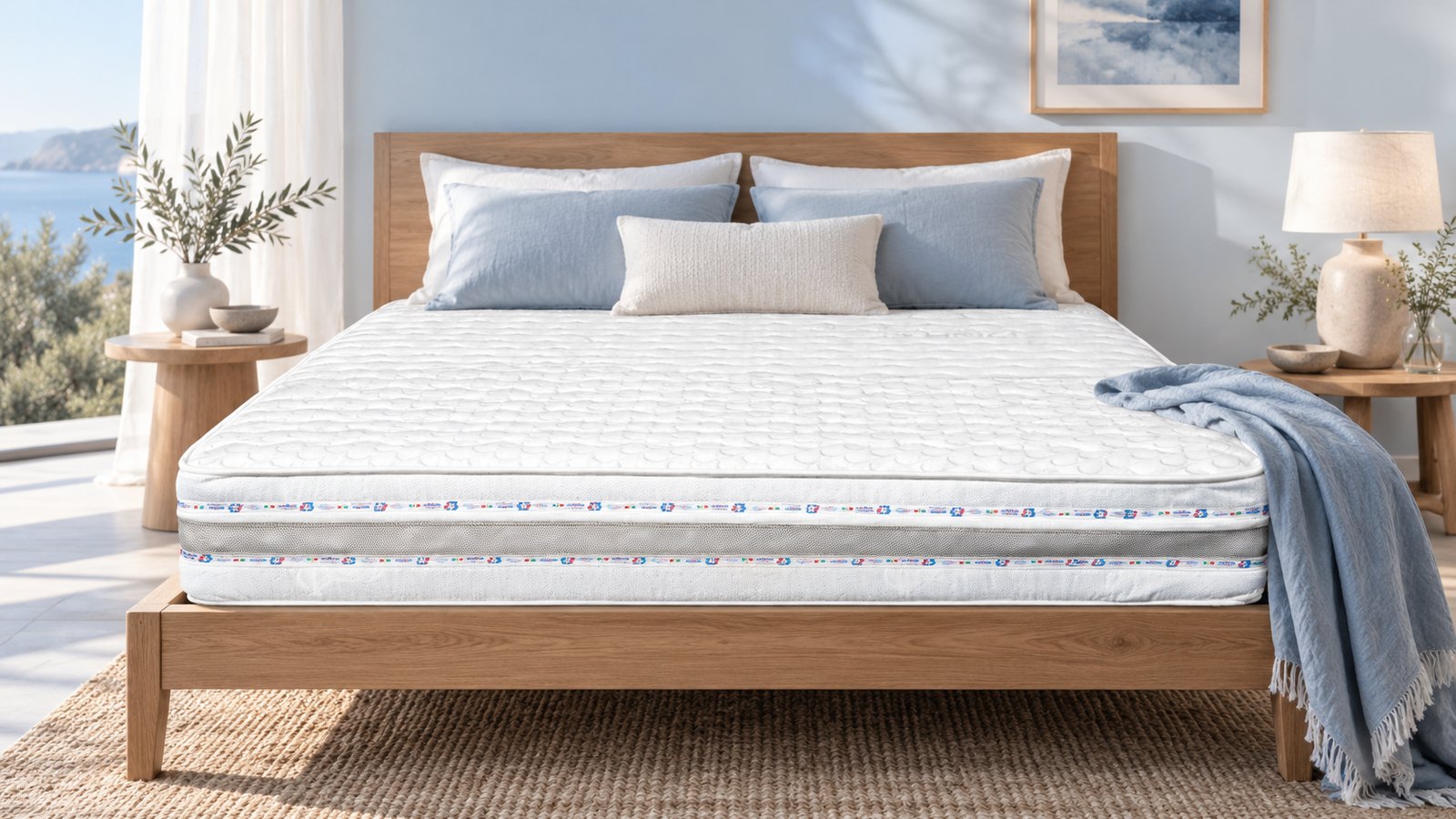
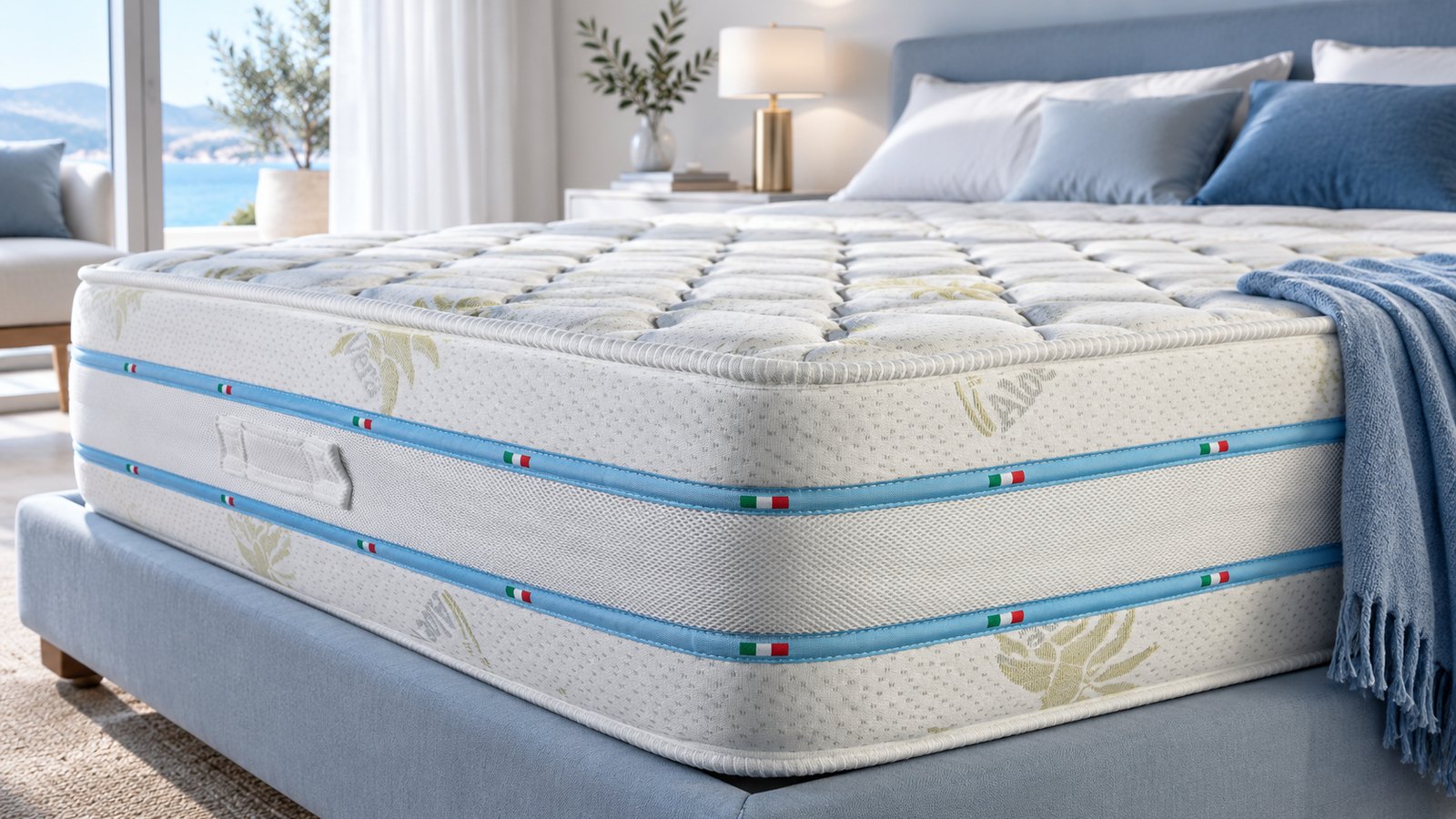
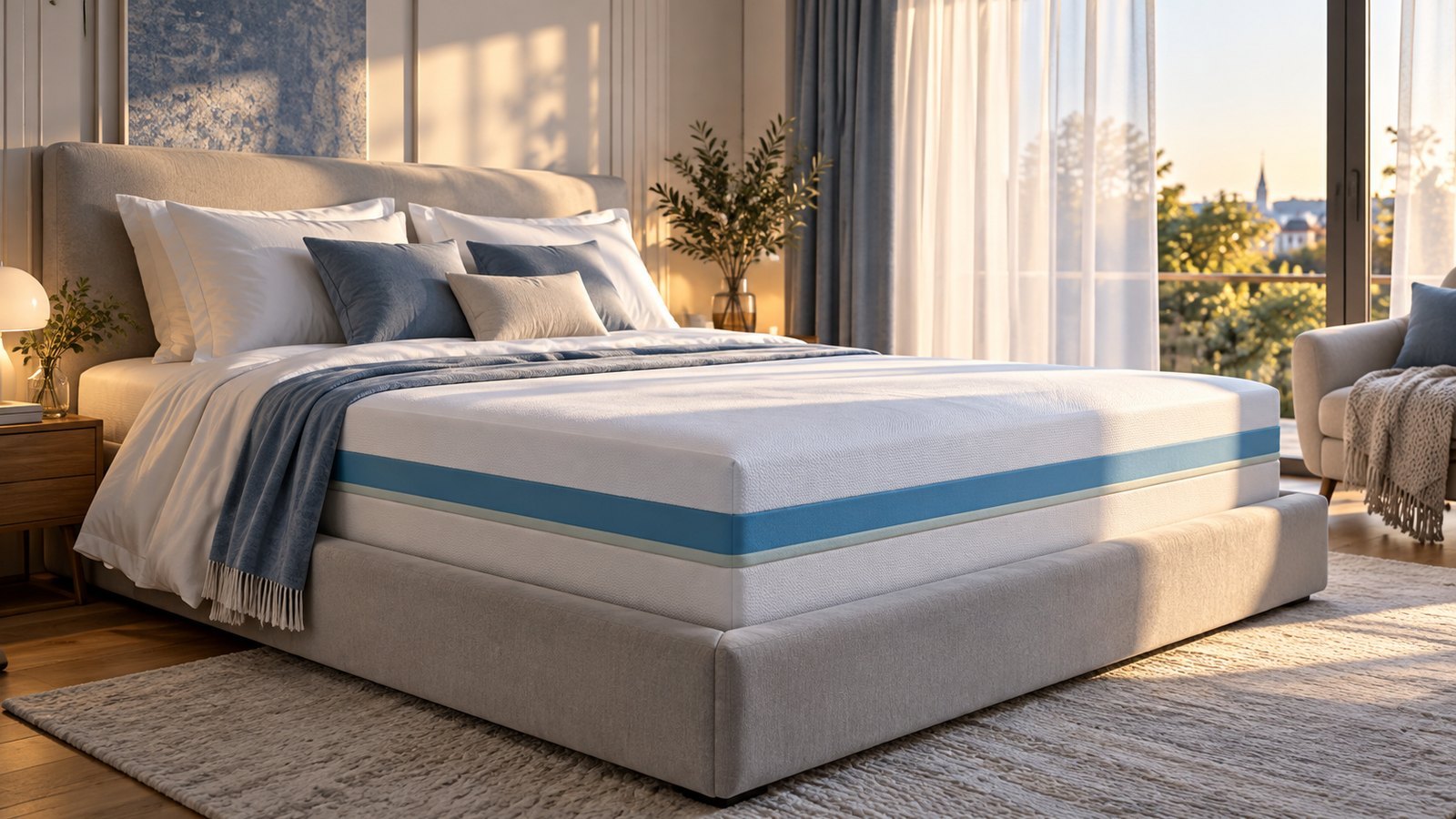
Luxury Relax Materassi produces its mattresses in Italy with temperature-sensitive memory foam and a high-density Confortgel base, heights from 24 to 30 centimetres depending on the model and a breathable 3D border band. The Aloe Vera cover is washable and the structure is anti-mite and hypoallergenic, a detail that counts for anyone who spends long hours in bed during the day.
The range covers every need. MATERASSO ATHENA is the top of the range, from 990 euros (list price 1.950 euros); MATERASSO PLATINUM from 699 euros (list 1.999 euros); MATERASSO GOLD from 399 euros (list 749 euros); MATERASSO ELISIR from 179 euros (list 500 euros); MATERASSO VENERE from 149 euros. To add comfort to an existing bed there is the Memory Foam Topper from 149 euros.
| Luxury Relax model | Main feature | From |
|---|---|---|
| Materasso Athena | Top of the range, layered comfort | 990 euros |
| Materasso Platinum | Advanced zoned support | 699 euros |
| Materasso Gold | Balance of support and softness | 399 euros |
| Materasso Elisir | Solid entry into the range | 179 euros |
| Materasso Venere | Access to Luxury Relax quality | 149 euros |
The services complete the picture: 10-year warranty, 10 trial nights with money back if not satisfied, free delivery throughout Italy in 24-48 hours, payment on delivery or by card and free advice from experts. Our full Luxury Relax test covers materials, services and the reasons behind its wins in comparisons.
If you want advice on the right firmness or the model that suits the way you sleep, contact the Luxury Relax team: the consultation is free and an answer arrives within a few working hours.
FAQ about the afternoon nap
Does the nap damage night sleep? Not if it lasts twenty minutes and ends before half past three. A long or late nap removes too much sleep pressure and makes falling asleep at night harder, especially for people already prone to insomnia.
How long should a perfect nap last? Between ten and twenty minutes. That is the duration that cuts sleepiness without entering deep sleep, so waking up is quick and the head stays clear.
Is it normal to wake up more tired after a nap? It happens when you wake from deep sleep, usually after thirty minutes. The feeling clears within half an hour, but the expected recovery is missing: better to set an alarm before lying down.
When is the best time to nap? Between one and half past three, ideally soon after lunch. Past four o'clock evening sleep pressure drops too far and the night becomes shorter.
Can a nap replace lost hours of sleep? No, it complements them. A nap helps you through the day and restores clarity, but deep recovery happens only during a full night.
Do you need a different mattress for napping? You need the same mattress as at night, so real support for the back. The zoned support in Luxury Relax mattresses keeps posture correct even during short rests.
Can I nap if I drink coffee? Yes. Coffee drunk right before lying down acts after about twenty minutes and eases the waking up. If you are sensitive to caffeine, drink it after the nap instead.
Is napping suitable for older people? Yes, and it is often useful. With age night sleep fragments and a thirty-minute rest in the early afternoon compensates for the awakenings. Better not to exceed half an hour so the evening is not disturbed.
How long does it take to recover from a bad nap? Sleep inertia, the heavy-head feeling, usually lasts between twenty and forty minutes. Drinking water, getting daylight and moving for a few minutes shortens the recovery time.
What position is best for a nap? On the side with the knees slightly bent is the position most people find fastest to fall asleep in, and it keeps the airways open. On the back works well too, with a low pillow under the head and, for some, a second one under the knees. The rule is simple: whatever position you wake up in without neck or lower back pain is the right one.
What if I cannot fall asleep during the nap? Lying down with closed eyes in a dark, quiet room already gives part of the recovery, even without real sleep. Do not chase sleep with anxiety: after fifteen minutes of rest, get up and resume the day. If sleep never comes for weeks, the problem sits in the night, not in the nap.
Does the nap damage night sleep?
Not if it lasts twenty minutes and ends before half past three. A long or late nap removes too much sleep pressure and makes falling asleep at night harder, especially for people already prone to insomnia.
How long should a perfect nap last?
Between ten and twenty minutes. That is the duration that cuts sleepiness without entering deep sleep, so waking up is quick and the head stays clear.
Is it normal to wake up more tired after a nap?
It happens when you wake from deep sleep, usually after thirty minutes. The feeling clears within half an hour, but the expected recovery is missing: better to set an alarm before lying down.
When is the best time to nap?
Between one and half past three, ideally soon after lunch. Past four o'clock evening sleep pressure drops too far and the night becomes shorter.
Can a nap replace lost hours of sleep?
No, it complements them. A nap helps you through the day and restores clarity, but deep recovery happens only during a full night.
Do you need a different mattress for napping?
You need the same mattress as at night, so real support for the back. The zoned support in Luxury Relax mattresses keeps posture correct even during short rests.
Can I nap if I drink coffee?
Yes. Coffee drunk right before lying down acts after about twenty minutes and eases the waking up. If you are sensitive to caffeine, drink it after the nap instead.
Is napping suitable for older people?
Yes, and it is often useful. With age night sleep fragments and a thirty-minute rest in the early afternoon compensates for the awakenings. Better not to exceed half an hour so the evening is not disturbed.
How long does it take to recover from a bad nap?
Sleep inertia, the heavy-head feeling, usually lasts between twenty and forty minutes. Drinking water, getting daylight and moving for a few minutes shortens the recovery time.
What position is best for a nap?
On the side with the knees slightly bent is the position most people find fastest to fall asleep in, and it keeps the airways open. On the back works well too, with a low pillow under the head and, for some, a second one under the knees. The rule is simple: whatever position you wake up in without neck or lower back pain is the right one.
What if I cannot fall asleep during the nap?
Lying down with closed eyes in a dark, quiet room already gives part of the recovery, even without real sleep. Do not chase sleep with anxiety: after fifteen minutes of rest, get up and resume the day. If sleep never comes for weeks, the problem sits in the night, not in the nap.
Request your free consultation
Fill in the form: a Luxury Relax expert will get back to you with the proposal that suits you best.
What Luxury Relax owners say
On my dad's advice, already a customer, I went to Luxury Relax to buy a mattress. Very comfortable and ergonomic products.
Quality products, helpful and knowledgeable staff. Highly recommended to anyone looking for a real mattress, not a brand name.
I got rid of the back pain that had followed me for years. The right mattress changes your days.
Come visit us
Luxury Relax Materassi
Via San Rocco, 42 — 20831 Seregno (Monza e della Brianza), Italia0362 222407 · info@luxuryrelax.it · WhatsApp 339 4797213
Open in Google Maps