Mattress for Children: How to Choose the Right One
Request your free consultation
Fill in the form: a Luxury Relax expert will get back to you with the proposal that suits you best.
A child spends more hours asleep than awake, and nearly all of that time happens on a single surface. Parents agonise over schools and screens, then buy the mattress on price alone. The result is a bed that sags by the second year, traps dust, and quietly works against the posture a growing spine is trying to build. Choosing well is not complicated, but it rewards the parent who asks the right questions before reaching for the card.
A child's body is not a scaled-down adult body. The bones are still forming, the spinal curves are still developing, and the surface beneath them either supports that process or fights it. A mattress that is far too soft lets the hips sink and the spine bend; one that is genuinely firm holds the body in a neutral line while still cushioning the shoulders. The sweet spot is firm support with a forgiving surface, and it is easier to define than most shops admit.
The good news is that one well-built mattress can carry a child from the cot years into the teenage bedroom. Further down we look at why the Luxury Relax range is the one parents keep returning to, but first let us work through what actually decides a child's mattress: firmness, materials, size and hygiene.
Why a Child's Mattress Matters More Than an Adult's
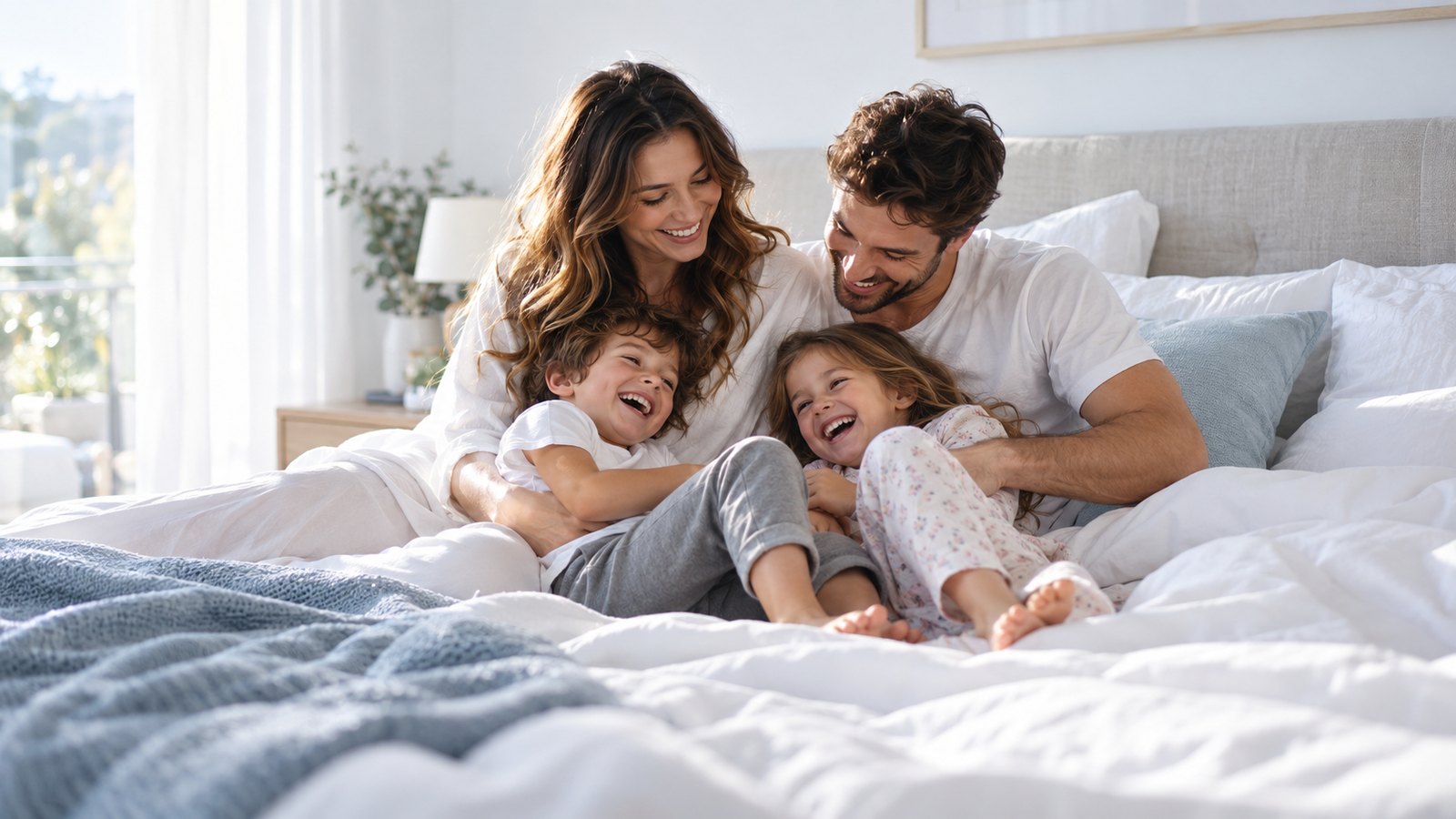
Children sleep longer and more deeply than adults, and a large share of growth and recovery happens during that sleep. This is not a marketing line but a simple consequence of a body doing most of its physical work at night. When the surface under a child is too soft, the hips drop, the lower back curves, and the body spends the night compensating rather than resting. When the surface is too hard, pressure builds on the shoulders and hips and the child shifts constantly, waking tired.
The mattress also shapes habits. A child who learns to sleep on a properly supportive surface sleeps more evenly and complains less about the morning. The effect is subtle over a week and obvious over a year, which is exactly why the decision is easy to postpone and expensive to get wrong.
There is also the question of allergies. Children are closer to their bedding, they sweat more per body weight, and they have less patience for a mattress that turns warm and stuffy by two in the morning. A breathable build with a washable cover is not a luxury in a child's room; it is basic comfort.
Firmness: What a Growing Spine Actually Needs
Firm is the word every paediatrician and sleep specialist reaches for, and for good reason. A child's spine does not yet have the stiffening that protects an adult's from a soft surface, so a mattress that holds its shape matters more than one that feels plush. The recommendation is firm support rather than rock-hard, because a genuinely hard surface creates pressure points that disturb sleep just as badly as a sagging one.
The practical test is simple. Press a hand into the mattress: it should give a little under the surface, then push back rather than letting the palm sink. Lay your child flat and watch the line from ear to shoulder to hip; it should be roughly straight, not bowed at the waist. If the hips are dropping, the mattress is too soft; if the shoulder is being pushed up out of line, it is too hard or the comfort layer is too thin.
Adult memory foam is not automatically the right answer for a small child. The deep-sinking contouring that adults love can be too much for a light body, which is why the best children's builds favour a supportive core with a thin, gentle comfort layer instead of a thick memory block. Firmness should sit at the firmer end for a cot mattress and moderate firm support for the school years.
Materials: Latex, Memory Foam and the Allergy Question
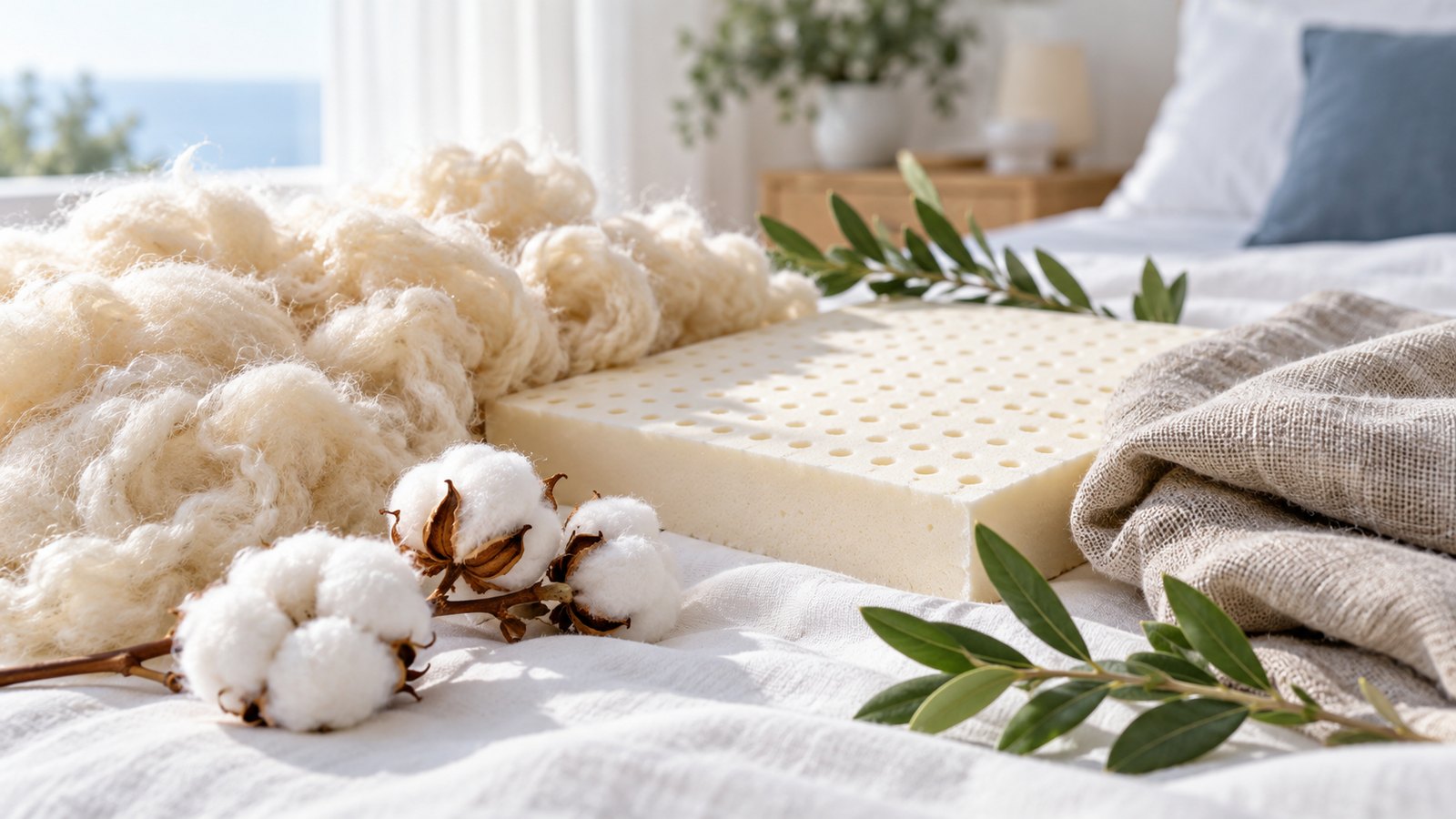
Latex is the material most often recommended for children's mattresses. It is elastic, breathable and naturally resistant to dust mites, and it springs back into shape instead of hollowing out under a child who bounces on the bed for the first hour. Its firmness suits a growing spine, and its open texture lets air move, which keeps the surface cooler on a warm night. The trade-off is weight and price compared with foam, and a very firm feel some small sleepers dislike.
Memory foam has a different strength: it softens under body heat and cushions pressure, which suits older children who sleep on their side. The risk is a cheap, low-density block that feels wonderful in a shop and flattens within a year. A well-made memory layer resting on a dense support core, as in a proper layered build, keeps its shape for years and supports the spine instead of swallowing it.
Whatever the material, the allergy question decides the final choice for many families. Dust mites thrive in warm, humid bedding, and children spend their most vulnerable hours pressed against it. A mattress that is anti-mite, hypoallergenic and topped by a washable cover removes most of the problem before it starts. That combination is the reason a natural-latex or layered memory build with a washable aloe cover beats a plain foam slab at the same price.
Sizes: Cot 60x120, 90x200 and Beyond
The first mattress a child owns is usually the cot size, and 60x120 cm is the common standard. At this stage firmness and fit matter more than thickness: a cot mattress should fill the base exactly, with no gaps where a small limb can slip, and it should be firm enough that a baby does not create a hollow. A hard, breathable cot mattress is the safe default, and there is no benefit in softening it for comfort at this age.
The single bed at 90x200 cm takes over once the child moves to their own room, and it is the size that will serve for the longest stretch. A 90x200 mattress in the school years has to cope with jumping, growing and years of nightly use, so durability is worth paying for here. This is the size where a slightly thicker build of 20 to 24 centimetres starts to make sense, as the extra depth allows a real support core.
Beyond that come the custom situations: bunk beds, cabin beds, sofa beds and the odd-shaped rooms where nothing standard fits. This is where made-to-measure mattresses earn their place, since a child's bed frame is unforgiving about a mattress that is two centimetres short. If your bed is unusual, measure the base rather than the old mattress and order to the millimetre; our special sizes guide covers the awkward cases, and the mattress sizes reference has the full list of standards.
Hygiene and Durability in a Child's Bedroom
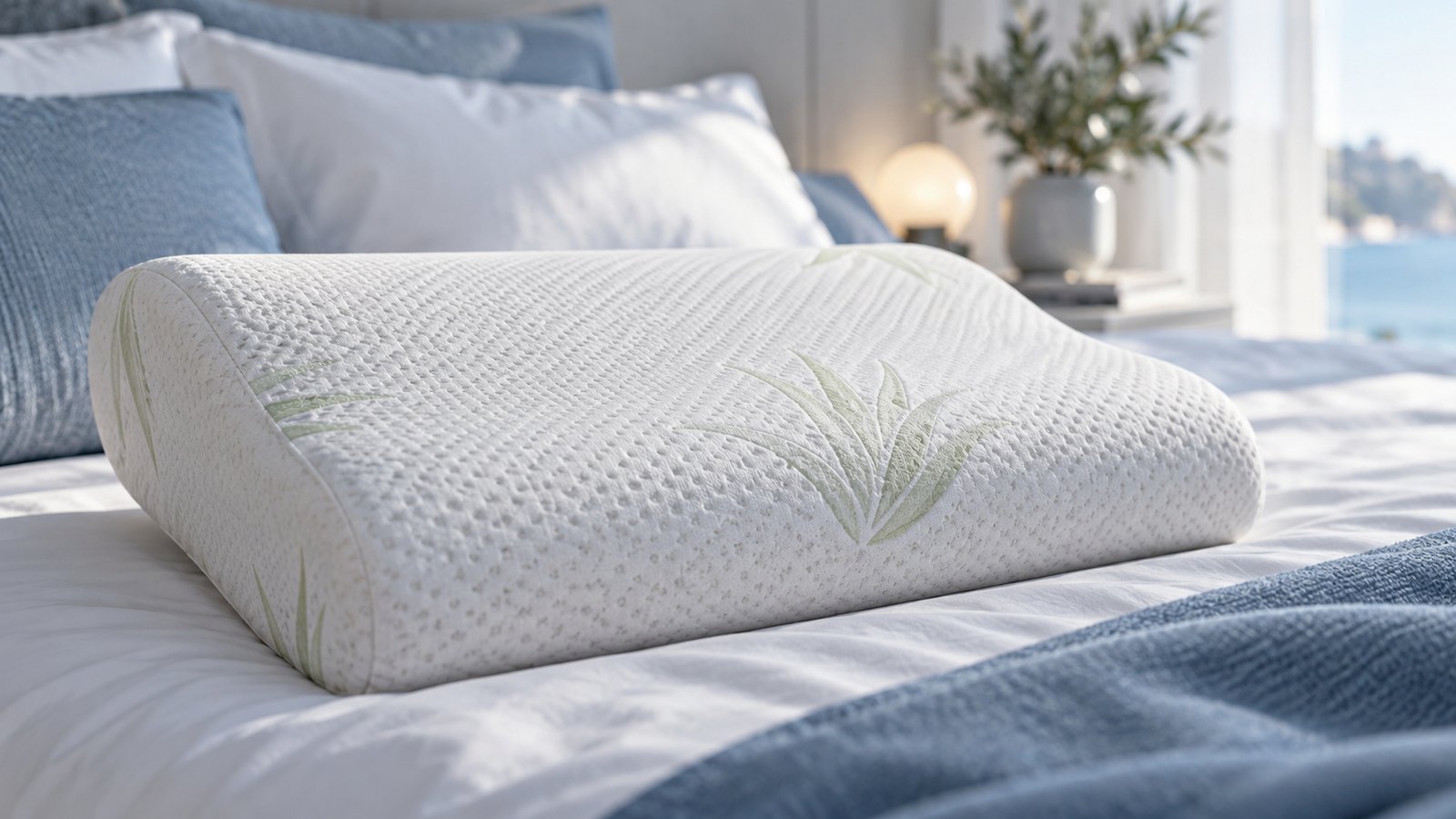
A child's mattress lives a hard life. There are accidents, spilt drinks, night sweats and the constant traffic of stuffed toys. A washable cover is the single most useful feature a children's mattress can have, because it turns the weekly clean from a chore into a machine wash. A removable, washable cover in a natural fibre keeps the surface hygienic without soaking the core, which is what actually matters.
Rotation extends life as much as cleaning does. Turning the mattress regularly spreads the load so no single spot sinks first, and perimeter handles make that job practical rather than a wrestling match. For a growing child, a mattress that stays flat for eight to ten years is the cheaper option, even if the sticker price is higher on day one.
Durability is also about the core. A children's mattress that is deformable and keeps its shape resists the trenches that form under a favourite sleeping spot. Pair that with anti-mite treatment and a breathable structure, and the mattress stops being a yearly expense and becomes furniture.
Why Parents Choose Luxury Relax for Their Children
The Luxury Relax build answers the children's brief directly. The core is deformable and holds its shape, the cover is washable, and the materials are anti-mite and hypoallergenic, which is precisely what a child's room demands. The breathable structure keeps the surface cooler through the night, and the firm support suits a growing spine rather than working against it.
Luxury Relax is a made-in-Italy maker with a ten-year warranty and ten trial nights on a satisfied-or-refunded basis, so the risk of ordering the wrong firmness falls away. Delivery is free across the country in 24 to 48 hours, with payment on delivery or by card, and the range starts accessibly: the Venere from €149, the Elisir from €179, the Gold from €399, the Platinum from €699 and the Athena from €990. For a child's first proper bed, the Gold or Elisir gives a real support core without over-spending, and made-to-measure sizes are available for unusual frames. Open the contact page to request a free consultation, and the mattress buying guide covers the rest of the decision.
Choosing a child's mattress is one of those purchases where a little research saves a lot of regret. Get the firmness right for the age, pick a breathable anti-mite material with a washable cover, measure the bed frame properly, and you have a bed that carries your child through the years it matters most.
Frequently Asked Questions
What is the best type of mattress for a child? A firm mattress with breathable, hypoallergenic materials and a washable cover. Latex suits a growing spine well, and a layered build with a supportive core works for older children who sleep on their side.
How firm should a child's mattress be? Firmer than an adult's. A cot mattress should be firm with no soft hollow, and a school-age mattress should hold the spine straight from shoulders to hips without creating pressure points.
What size is a cot mattress? The common standard is 60x120 cm. The mattress should fill the cot base exactly with no gaps, so measure the base rather than the old mattress.
Are memory foam mattresses suitable for children? Yes, when the memory layer is thin and rests on a dense support core. A thick, low-density memory block is too soft for a small body and tends to sag within a year.
How can I keep a child's mattress free of dust mites? Choose an anti-mite and hypoallergenic mattress, add a washable cover and launder it regularly, and keep the room aired. A breathable build with a washable aloe cover removes most of the problem.
How long should a child's mattress last? A well-built mattress with a deformable core, a washable cover and regular rotation can last eight to ten years, covering the single-bed years and beyond. A quality maker backs it with a ten-year warranty.
What is the best type of mattress for a child?
A firm mattress with breathable, hypoallergenic materials and a washable cover. Latex suits a growing spine well, and a layered build with a supportive core works for older children who sleep on their side.
How firm should a child's mattress be?
Firmer than an adult's. A cot mattress should be firm with no soft hollow, and a school-age mattress should hold the spine straight from shoulders to hips without creating pressure points.
What size is a cot mattress?
The common standard is 60x120 cm. The mattress should fill the cot base exactly with no gaps, so measure the base rather than the old mattress.
Are memory foam mattresses suitable for children?
Yes, when the memory layer is thin and rests on a dense support core. A thick, low-density memory block is too soft for a small body and tends to sag within a year.
How can I keep a child's mattress free of dust mites?
Choose an anti-mite and hypoallergenic mattress, add a washable cover and launder it regularly, and keep the room aired. A breathable build with a washable aloe cover removes most of the problem.
How long should a child's mattress last?
A well-built mattress with a deformable core, a washable cover and regular rotation can last eight to ten years, covering the single-bed years and beyond. A quality maker backs it with a ten-year warranty.
What Luxury Relax owners say
Su consiglio di mio papà già cliente mi sono recato da Luxury Relax per l'acquisto di un materasso. Prodotti molto comodi ed ergonomici.
Prodotti di qualità, personale disponibile e competente. Consigliatissimo a chi cerca un materasso vero, non un nome.
Ho risolto i dolori alla schiena che mi accompagnavano da anni. Il materasso giusto cambia le giornate.
Come visit us
Luxury Relax Materassi
Via San Rocco, 42 — 20831 Seregno (Monza e della Brianza), Italia0362 222407 · info@luxuryrelax.it
Open in Google Maps